
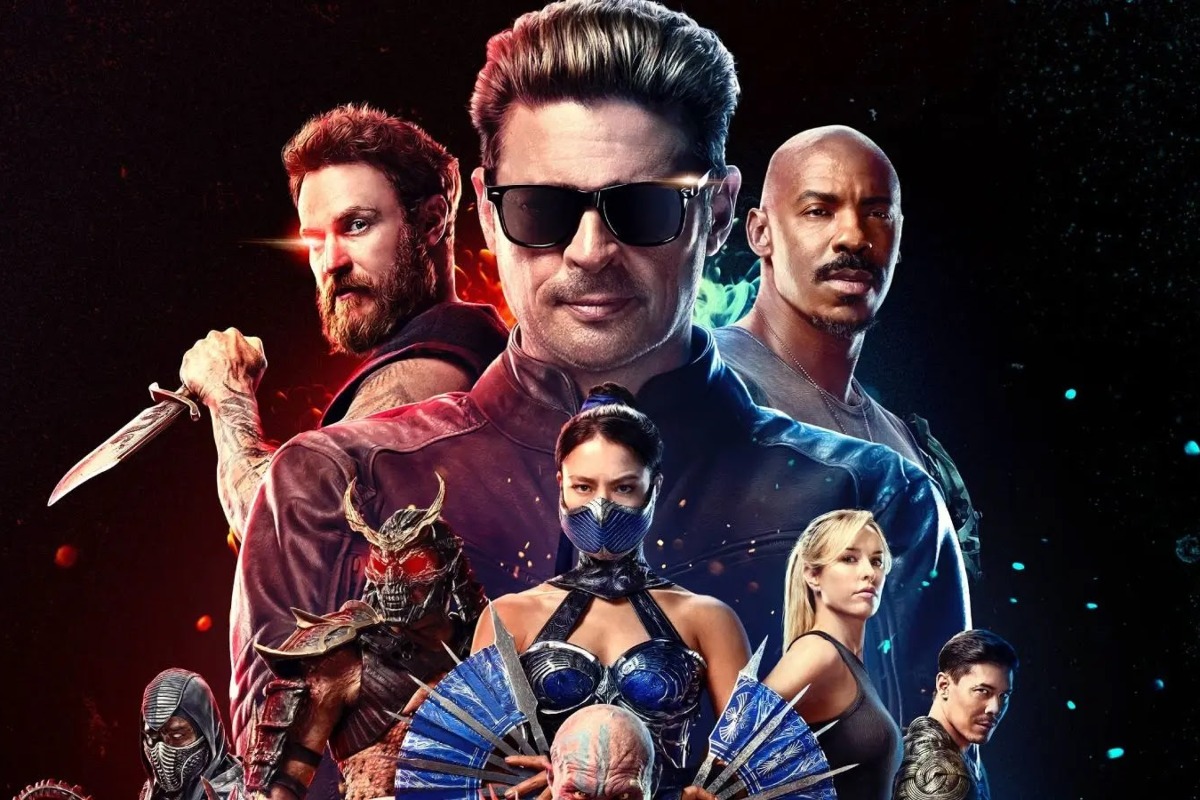
Critics are warmer to Mortal Kombat 2, giving it 66% on Rotten Tomatoes (up from 55% for the 2021 film) even as audiences grade it a B on CinemaScore, down from B+. Metacritic nudges to 47 (vs. 44), with Simon McQuoid directing and Karl Urban headlining an exclusively theatrical release.
The latest round of fatalities lands in theaters only, and the scorecards could not look more split. Moviegoers hand it a plain B while critics edge the sequel upward, praising gnarlier action even as the story staggers. Karl Urban steals laughs that sometimes deflate the heat of the fights, fueling a debate over tone as much as quality. Between cheer and shrug, the verdict depends on what you want from a Kombat night out.
A divided reception for Mortal Kombat 2
The follow-up to the 2021 reboot lands with the confidence of a champion and the baggage of big expectations. Indeed, Mortal Kombat 2 brings the tournament’s gory bravado back to theaters, stoking arguments on the ride home. Some viewers say it swings harder but hits less. Others see a sharper sequel. With Karl Urban stepping in, the debate has only grown louder.
From director to distribution: what’s new?
Returning director Simon McQuoid keeps the bones of the first film while pushing for bigger, bloodier set pieces. The original launched day-and-date on HBO Max and in theaters in 2021, a pandemic-era compromise that split attention. This time the studio opted for an exclusive big-screen run in the United States, signaling confidence in crowd energy and, perhaps, a steadier box office climb.
Audiences vs critics: who’s right?
Early audience sentiment tilts cautious. The sequel earned a CinemaScore of B, a notch below the first film’s B+. That grade suggests fans had a decent time but didn’t leave ecstatic. Critics, however, are warmer. On Rotten Tomatoes, the movie sits at 66%, up from the original’s 55%, while Metacritic shows a smaller rise, 47 over 44. The pattern holds: action pops, story stumbles.
For example, several reviews highlight creative kills and crisp choreography that reward franchise diehards. According to this study of reactions across aggregator sites, the tonal calibration remains divisive. When the film leans into pulpy spectacle, it clicks. When it chases heavier drama, momentum thins. The result is a crowd-pleaser in flashes, stitched to a plot that rarely deepens the lore.
Karl Urban shines, even in a mixed bag
Urban’s arrival injects swagger and timing, especially in moments that invite a laugh without puncturing the fight stakes. His scenes help stabilize an uneven tone, even if they cannot fully reconcile the movie’s shifts between grim seriousness and winking brutality. This is the case with several character beats that play well in isolation but feel rushed when stacked together.
Still, fans of Mortal Kombat will find plenty to relish: names they know, finishers they expect, and a few sly nods to the games. If the first film was a proof of concept, this sequel feels like a confidence test. It passes on spectacle, wobbles on story, and leaves one question hanging: will the next round land both?