

Most patients face a life expectancy of two to five years after diagnosis
Jenny – centre in white – joined the 90 Day Fiance franchise in 2019 on the spin-off The Other Way(Image: GETTY)
90 Day Fiance star Jenny Slatten has revealed she was diagnosed with Amyotrophic lateral sclerosis, also known as Lou Gehrig’s disease or ALS, in December 2025. The 68 year old currently lives in India with her husband Sumit Singh, having first appeared in the TV franchise back in 2019.
The couple initially became fan favourites on The Other Way and are set to feature in the latest season of 90 Day: The Last Resort. Ahead of the show’s premiere, Sumit disclosed to People that Jenny had been experiencing symptoms since December 2024.
ALS is a form of Motor Neurone Disease (MND). It is a rare condition that progressively destroys motor neurons in the brain and spine, the cells responsible for controlling muscle movement. Over time, patients gradually lose their ability to speak, eat, walk and eventually breathe independently.

Jenny Slatten was diagnosed in December 2025 after interviews at a 90 Day Fiance event(Image: GETTY)
In late 2024, Jenny said she had choked “badly” while drinking some water. Shortly afterwards she began suffering migraines, struggled to swallow pills and her speech started to change.
She said she began avoiding conversations and would sometimes refuse to speak altogether. Fans picked up on this change during a December 2025 interview, with some speculating that she had ALS. Once the couple realised how closely her symptoms matched the condition, they began pursuing a formal diagnosis.
Jenny’s condition is advancing slowly and she is reportedly exploring genetic testing in the hope of qualifying for medication that could slow the disease’s progression even further. Her father passed away from ALS more than a decade ago.
ALS remains incurable, with most patients typically facing a life expectancy of approximately two to five years following their initial symptom. However, a 2025 study suggests this timeframe has extended, likely thanks to advancements in care.
The condition develops differently in each person, but quality of life progressively deteriorates after initial symptoms appear. Treatment primarily centres on slowing progression and alleviating symptoms such as muscle stiffness or breathlessness.
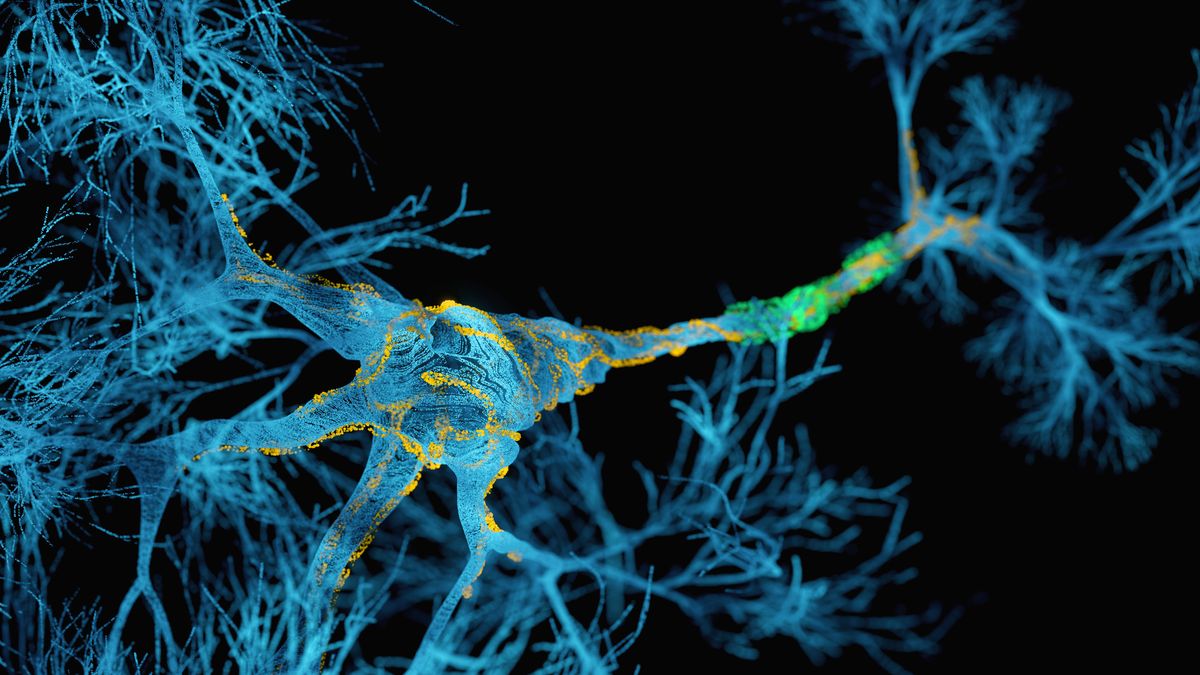
ALS progressively kills motor neurons in the brain and spine(Image: GETTY)
An early warning sign of MND is when particular physical activities suddenly become increasingly challenging. It typically begins subtly with difficulties like lifting your foot to ascend stairs, gripping objects or experiencing muscle twitches according to the NHS.
The MND Association states that ALS is the most prevalent form of Motor Neurone Disease, initially presenting with stumbling or dropping items as early indicators of muscle weakness and wasting. It can additionally trigger cramps and muscle stiffness.
The cause of MND remains unknown, though genetics appear to contribute as one in 10 sufferers have a family history of the illness. King’s College London reports that approximately 5,000 people across the UK are living with the condition at any one time.
Jenny told People: “I don’t want to be treated any different. Let’s just live our life as we have been while we can.”