
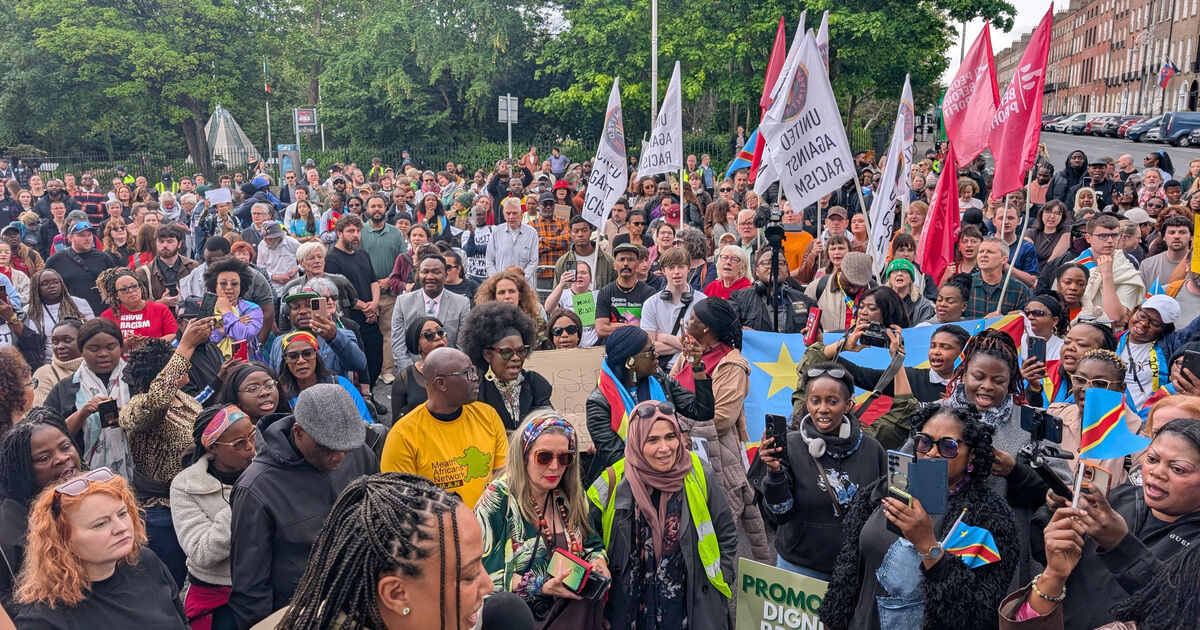
Thursday, May 21, 2026, is a day many people in Ireland will not forget.
Outside the Dáil, hundreds of people stood together in outrage, grief, and solidarity after the death of Yves Sakila, a Congolese-born man who had called Ireland home since he was a teenager.
He died after being restrained on Henry St in Dublin following an alleged shoplifting incident on Friday, May 15.
 Emer O’Neill. File picture: Andres Poveda/RTÉ
It is also difficult to ignore former taoiseach Bertie Ahern’s comments regarding “the Africans” and “people from the Congo”, and the fundamental damage language like that can cause when spoken by people in positions of influence and power.
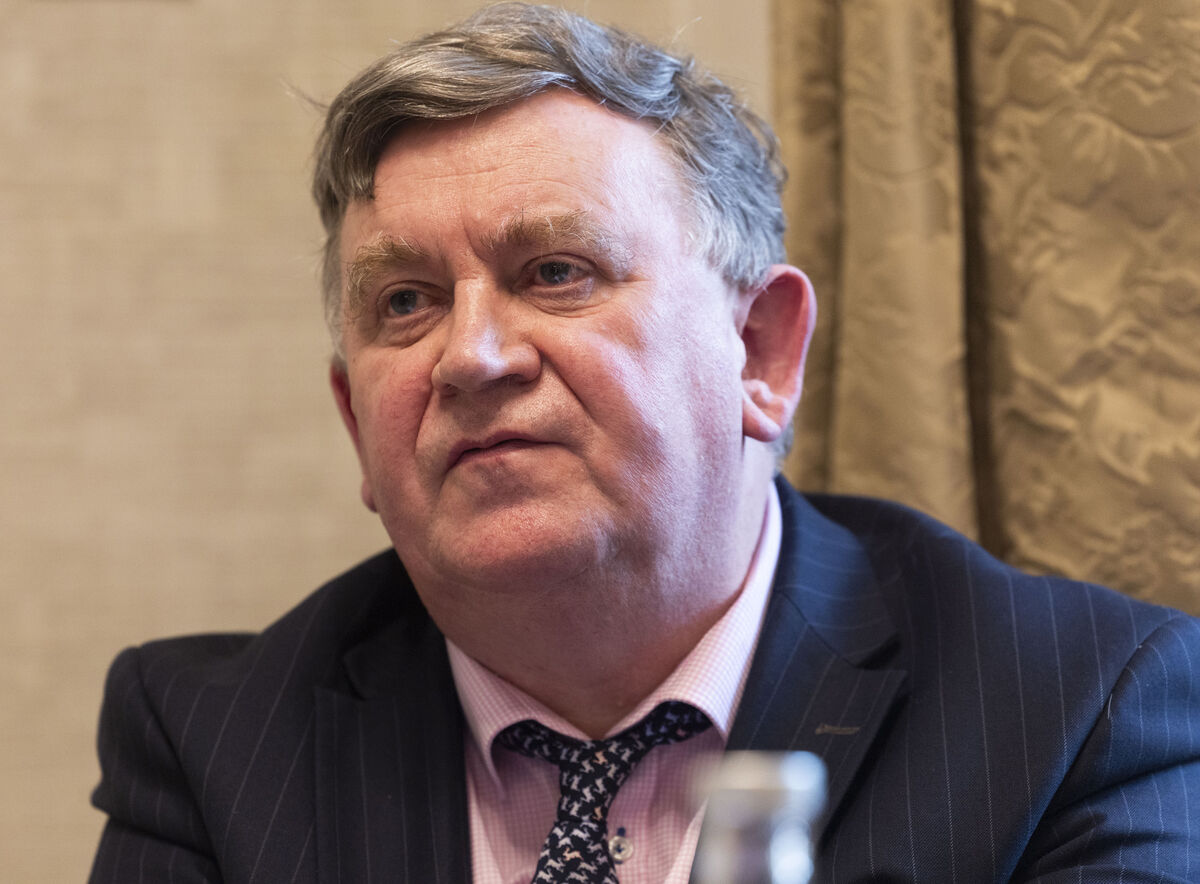 John Cullen, a solicitor representing the family of Yves Sakila, speaking in Buswells Hotel on Thursday about his death. Picture: Sam Boal/Collins
Jim O’Callaghan’s labelling of the comments in the leaked Ahern video as “an unfortunate coincidence” could be called a perfect example of the lack of understanding of how racialised language and political rhetoric shape public attitudes.
When George Floyd was murdered in 2020, many people in Ireland insisted that racism was an American problem.
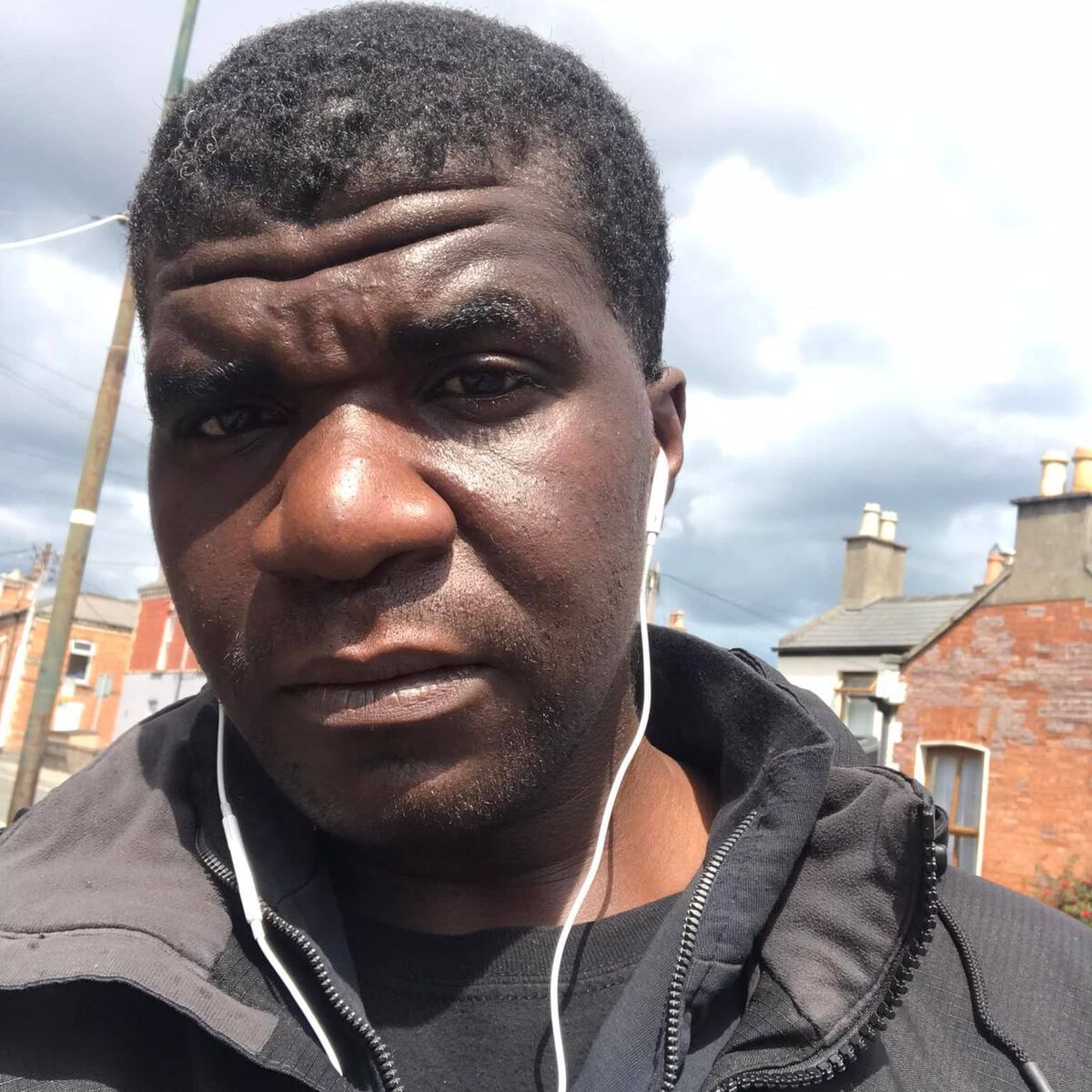 Congolese-born Yves Sakila, who had called Ireland home since he was a teenager, died last week following an incident with security guards at a Dublin department store. File picture: Facebook
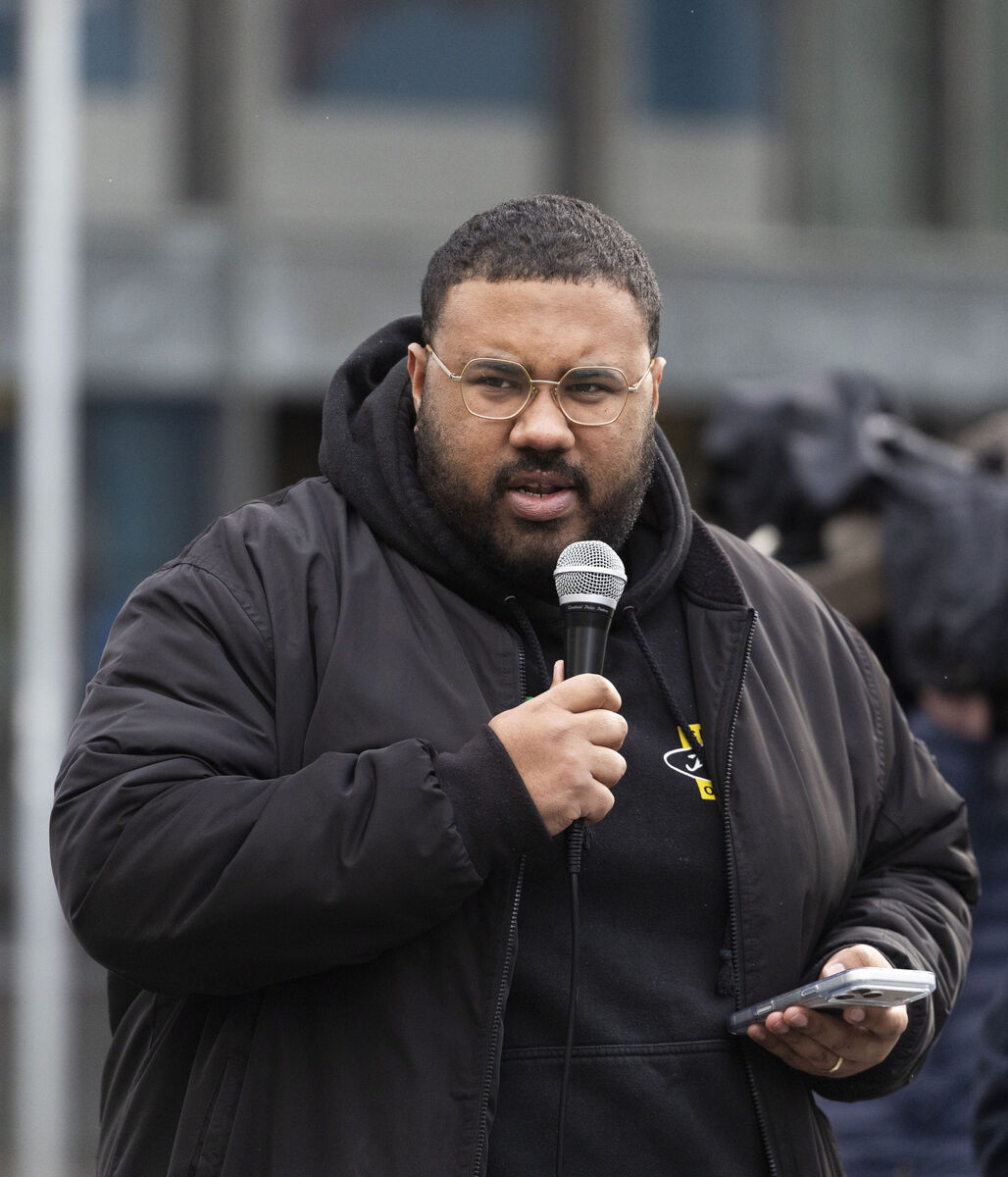 A file photo of Leon Diop speaking at a rally outside Store St Garda Station after the death of George Nkencho who died on December 30, 2020. Picture: Collins
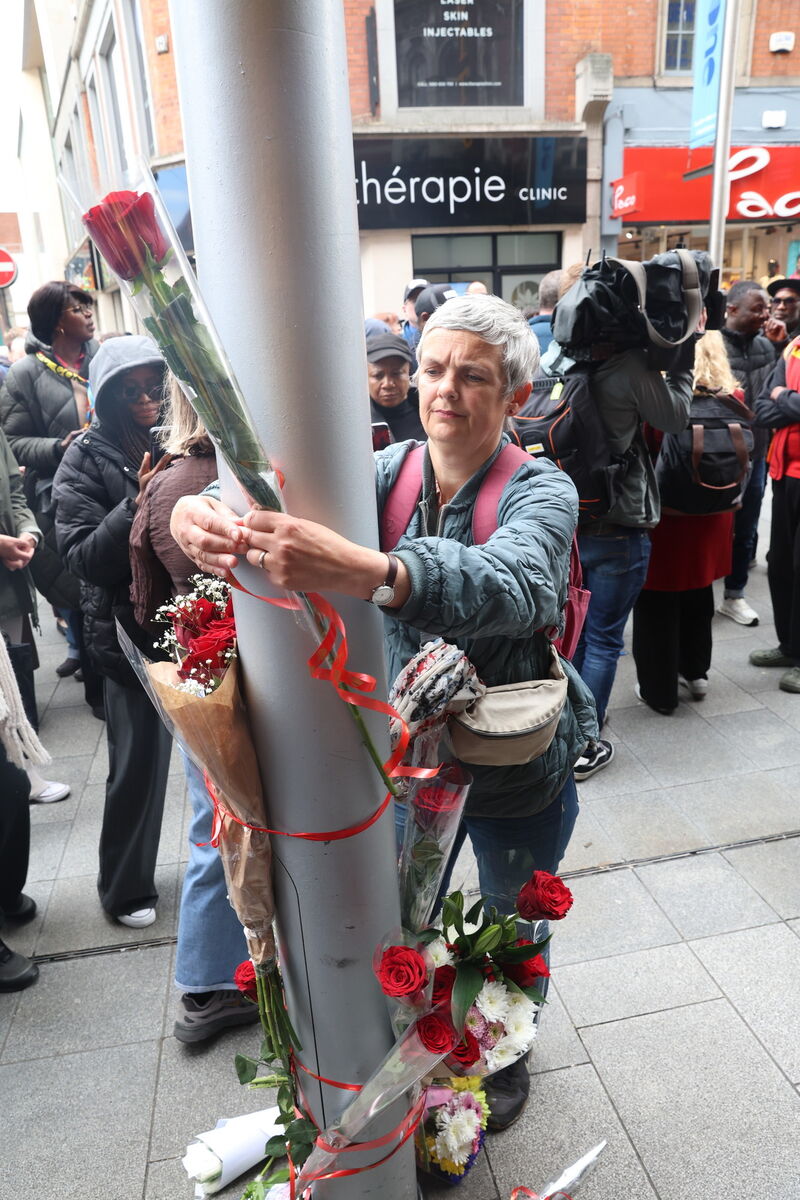 One of the people taking part in Tuesday’s protest on Henry St in Dublin following the death of Congolese-born man Yves Sakila. Picture: Stephen Collins/Collins
I think often about a picture that hung in my mother’s room when I was growing up. It was of two children, one black and one white, arms wrapped around each other in friendship.
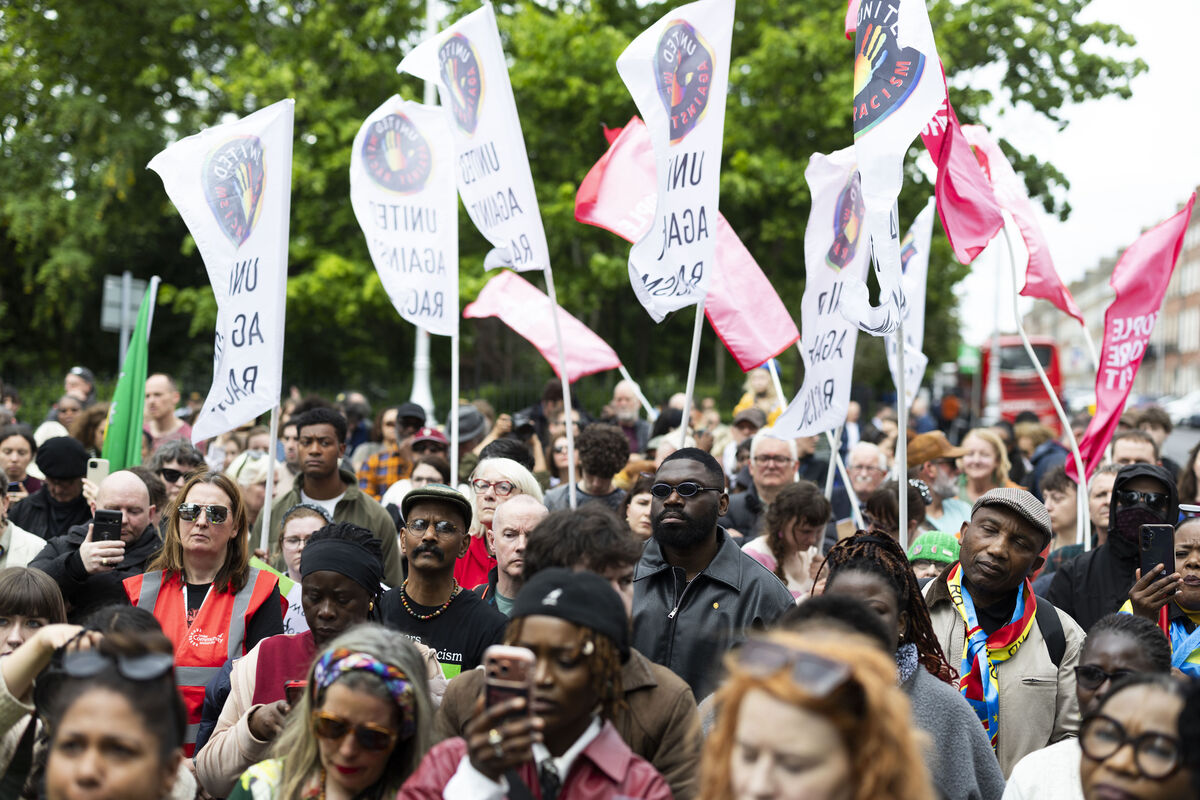 Protesters outside Leinster House in the wake of the death of Yves Sakila. Picture: Sam Boal/Collins