
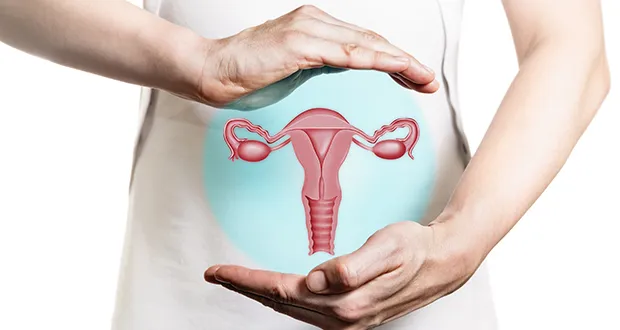
There is no effective screening for Ovarian Cancer, writes Terence Cosgrave which is why a diagnosis usually only happens after the cancer has spread through the body
Ovarian cancer remains one of the most serious and difficult cancers affecting women in Ireland, with healthcare professionals warning that greater awareness and earlier diagnosis are critical to saving lives. Ahead of World Ovarian Cancer Day 2026, campaigners, doctors and patient advocates are calling on women to learn the symptoms of the disease and seek medical advice if changes persist for more than three weeks.
Each year, around 400 women in the Republic of Ireland are diagnosed with ovarian cancer, while almost 300 die from the disease. In Northern Ireland, more than 200 women are diagnosed annually and approximately 120 die. Ovarian cancer is now the fourth leading cause of cancer death among women in Ireland, after lung, breast and colorectal cancer.
One of the greatest challenges is that ovarian cancer is often diagnosed too late. According to Consultant Gynaecological Oncologist Ms Claire Thompson of the Mater Misericordiae University Hospital and Rotunda Hospital, three out of four women are diagnosed only after the cancer has already begun to spread. Unlike cervical cancer, there is currently no screening programme for ovarian cancer, making symptom awareness vital.
To improve public understanding, the Irish Network for Gynaecological Oncology (INGO) has launched a nationwide awareness campaign centred on the “B.E.A.T” acronym, which highlights the four key symptoms of ovarian cancer:
Bloating that is persistent and does not come and go
Eating less and feeling full more quickly
Abdominal and pelvic pain felt most days
Toilet changes in bowel habits or urination
Medical experts stress that women should contact their GP if these symptoms are new, persistent, and continue for three weeks or more.

Mater Hospital Foundation’s third annual Marilyn’s Mater Paddle event took place on Sunday, May 24 at the Shoreline Hotel and Balcarrick Beach, Donabate
New research released by INGO shows that awareness of ovarian cancer symptoms remains worryingly low in Ireland. Less than one-in-three women feel confident they could recognise the symptoms, while only two per cent were aware of the B.E.A.T acronym before the campaign. Although most women recognised abdominal or pelvic pain as a symptom, fewer understood that changes in appetite or feeling full quickly could also be warning signs.
The research also revealed widespread confusion around cervical screening. While most women correctly understand that CervicalCheck screens for cervical cancer, almost one-in-five mistakenly believe it screens for all gynaecological cancers, including ovarian cancer.
World Ovarian Cancer Day 2026 carries the theme #NoWomanLeftBehind, highlighting the importance of ensuring all women, regardless of geography or background, have access to information, support, and timely medical care.
Each year, around 400 women in the Republic of Ireland are diagnosed with ovarian cancer
For many women, the fear and uncertainty surrounding ovarian cancer can be overwhelming. Dublin woman Nikki Veasey knows this only too well. In 2023, Nikki was referred to the Mater Public Hospital after doctors discovered a large growth in her abdomen. Tests were inconclusive, leaving her facing the terrifying possibility of cancer.
“I didn’t know if I was going to survive the surgery,” Nikki said. “I wasn’t sure what I was facing.”
Surgery later revealed she had a giant mucinous ovarian cyst weighing 26 pounds. Part of the tumour was borderline cancerous, but Nikki was ultimately told she did not have ovarian cancer.
She credits the Mater Hospital staff with helping her through the frightening experience. “The care I received at the Mater was exceptional,” she said. “The nurses and doctors provided constant reassurance and answered every question I had.”
Now Nikki is giving back by taking part in Marilyn’s Mater Paddle in Donabate later this month, an event raising funds for women’s cancer care at the Mater Hospital. The annual fundraiser sees hundreds of women wearing blonde wigs and taking part in a sea paddle to support patients and their families.
Alongside awareness campaigns and fundraising initiatives, researchers are also examining the emotional impact of ovarian cancer. A recent study published in the journal CANCER found that physical symptoms caused by ovarian cancer may sometimes be mistaken for signs of depression.
Researchers discovered that patients often reported fatigue, pain and gastrointestinal issues linked to cancer itself rather than mental illness, highlighting the need for tailored psychological support.
Healthcare advocates say the message is simple but lifesaving: know the symptoms, trust your instincts, and seek medical advice early. 