
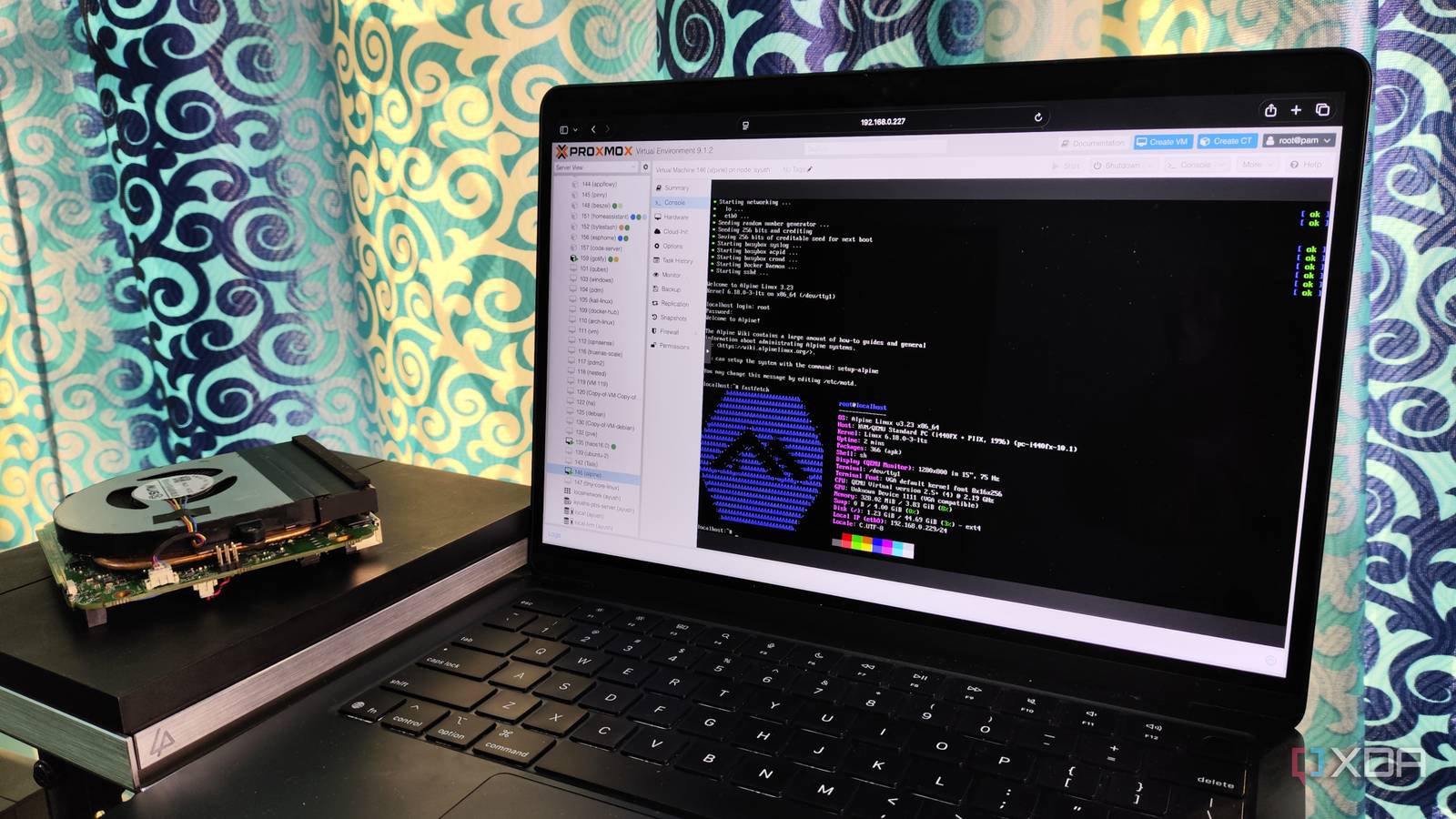
I’ve never made one before, but I can imagine that making an operating system is a fine balance between doing as much as you can without going overboard. Do too little, and people will use another operating system; do too much, and you run the risk of burning out the developers, the userbase, or both at the same time.
Recently, the Linux kernels and the distros that rely on it have shown that, while they offer users a ton of options and customizability, they haven’t pushed all their chips to the center of the table and gone all-in. And that’s something that Microsoft can’t really say the same with Windows.
Linux desktops are finally letting go of legacy hardware
Some things just aren’t worth holding onto forever
Microsoft wants Windows to be compatible with everything ever released for the OS, but that sort of harms it, too. For instance, there’s a very good chance that Windows will never be an immutable operating system, simply because doing so would require breaking support for every app that depended on it.
Meanwhile, I’ve been keeping an eye on what’s going on with the Linux kernel. Lately, maintainers have been axing support for hardware that likely doesn’t see any use. And I don’t mean hardware that maybe release ten or fifteen years ago: I mean a 37-year-old Intel processor.
By removing support for things people aren’t using anymore, it helps the people maintaining the code from going insane ensuring that new versions of the kernel still run on hardware that nobody actually uses anymore. It keeps Linux from stagnating in its mission to support as much hardware as realistically possible, which can’t really be said for Windows.
Related
The “year of Linux” may never come, but I’m still recommending it to everyone
I know it’s not perfect, but I love it
AI is coming, but it’s not a necessity
I’m sure I don’t have to go into too much detail as to what Microsoft did with Copilot on Windows. In the space of a few years, the company went from working on Windows 11 to going all-in on its AI assistant, to the poiint where the internet had coined the term ‘Microslop’ around the start of 2026.
People fled to Linux to avoid the AI-pocalypse as Copilot showed no sign of stopping (which, fortunately, has actually come to a halt). And then the developers of Ubuntu said they were opening the doors for AI tools on the OS. Uh oh.
However, once you begin reading what the Ubuntu team will actually be looking for in an AI-based OS tool, you realise that they’re not so much ‘opening the door’ for AI tools as they are putting bouncers in front of a locked entry. AI tools will have a place on Ubuntu, but they have to be open-source and beneficial to the OS as a whole. There will be more onus on AI tools that assist with accessibility than anything else, and users will have the ability to nuke them off their system if they want.
Honestly, as much as some people like rallying against AI tools in operating systems, Canonical’s approach is…well, it’s entirely respectable. The side of me that got burned by Microsoft’s Copilot rollout on Windows wants to hate it, but there’s nothing to Canonical’s approach to hate. It’s an entirely reasonable approach to enabling AI tools in an operating system.
Related
AI is arriving on Ubuntu, and it’s open source, local, and nothing like what you’re worried about
Seriously, it all sounds pretty good.
Linux is far nicer about asking people to part with their money
Linux developers need to eat, too
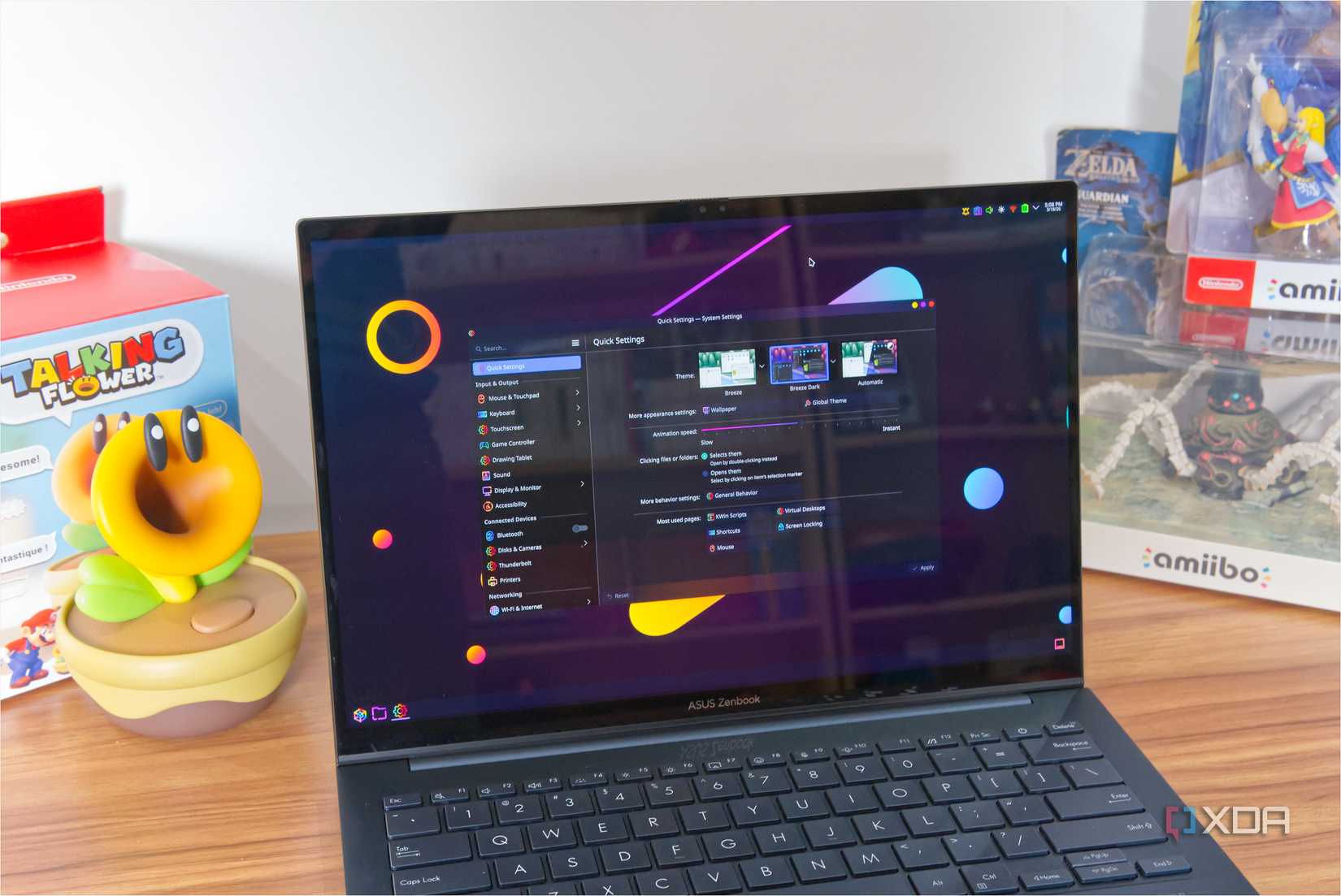
While we often hail Linux developers as being less money-driven than Microsoft (especially given all the volunteer work), they still need funding. Rarely, you’ll see the developers of a Linux distro ask for a one-time payment to unlock extra features (such as ZorinOS), but for the most part, you can install a distro and a desktop environment and not have to pay a penny.
Some operating systems, like Fedora, have fingers within the corporate world, which helps fund the free side of things. However, not everyone has the same luxury and need funding to keep their system afloat. And while it could be really easy for the developers to add nag windows, advertisements, and dark patterns to earn some extra money, they don’t.
In fact, do you want to know the most egregious demand for money I’ve seen on Linux? One time, in December, KDE Plasma asked me in a small notification if I wanted to donate to its yearly fund drive. When I clicked ‘yes,’ it took me to the donate page. When I clicked ‘no’, the notification went away.
Turns out, that notification appears once a year. You get 364 days of unfettered, unbothered use of KDE Plasma, and then you get a single pop-up on a single day that you can decline with a single click. No weird tricks. No showing you images of KDE’s mascot crying to shame you into paying up. You just say “No thanks” and it’s gone for another year.
Microsoft doesn’t have that level of restrained. I would happily argue that the advertisements of services happen before you’ve even landed on the desktop on first boot. You’re hit with the out-of-box experience that will try to get you signed up to OneDrive, Microsoft 365, and all kinds of services that the Redmond giant offers.
Related
5 reasons I can’t go back to Windows after trying Linux
As weird as it may sound, Linux has more game-changing QoL features than Windows
Linux knows when to hold back
In a world of tech where companies throw millions of dollars on the next big thing, Linux has been holding back. And it’s that restraint that keeps me coming back to the world of FOSS distros time and time again.