
Israel’s military will continue to carry out operations in Lebanon for the time being and will not be withdrawing from the country, defence minister Israel Katz said on Thursday, despite the announcement of a new ceasefire.
Israel and Lebanon on Wednesday agreed to a new ceasefire following talks mediated by the United States. Under the agreement, Lebanese militant group Hizbullah, which did not participate in the talks, is to stop all attacks on Israel and withdraw its fighters from the area south of the Litani river in southern Lebanon.
In a statement, Katz said Israel’s military would remain in swathes of southern Lebanon it is occupying as part of what Israel’s government describes as a buffer zone meant to protect northern Israeli communities from Hizbullah attacks.
Hundreds of thousands of Lebanese residents, forced from their homes in the south by Israel’s military since fighting began in March, would also not be allowed to return, he said.
Israel would also continue to “dismantle terrorist infrastructure in the area” while Israel had “freedom of action, backed by the United States, to strike in Beirut in response to attacks on Israeli communities and territory”, Katz said.
Israel invaded Lebanon in March in pursuit of Hizbullah after the Iran-backed group fired across the border in support of Tehran.
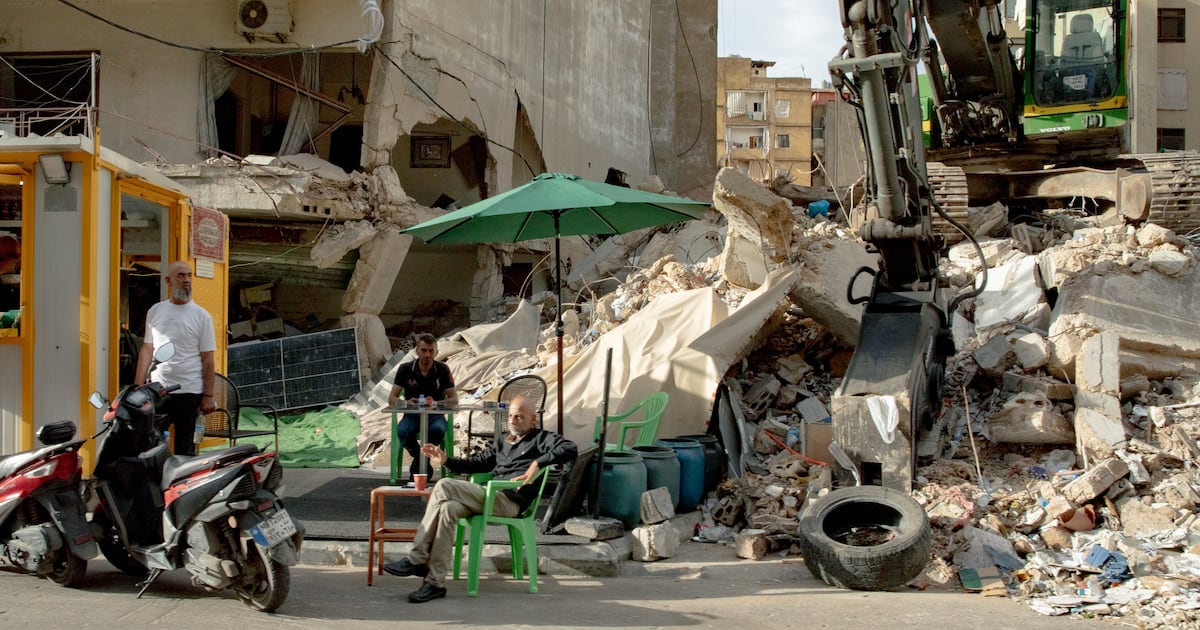
Fighting in Lebanon, which has killed thousands of people and driven more than a million Lebanese from their homes, has become a sticking point in negotiations to end the wider Iran war, with Tehran refusing to agree any peace deal with Washington unless a ceasefire also covers Lebanon.
Under the new agreement announced on Wednesday, the Lebanese military is meant to take exclusive control over territory.
Hizbullah has yet to comment on the ceasefire. Before it was announced, the group said it had conducted two drone and rocket attacks on Israeli troops inside Lebanon that it said took place just after midnight local time on Wednesday.
Israel’s far-right national security minister Itamar Ben-Gvir on Thursday called the ceasefire a “serious mistake” and said prime minister Binyamin Netanyahu should bring it to the cabinet for a vote.
Ben-Gvir said Hizbullah would not withdraw its fighters from the area south of the Litani river and the Lebanese Armed Forces were incapable of forcing Hizbullah to comply.
“The Lebanese state is a partner of Hizbullah,” he said. “In practice, Hizbullah will only grow stronger, and instead of defeating it, Israel is accepting its very existence.”
An April ceasefire that was later extended failed to end the violence, with Israel and Hizbullah continuing to carry out attacks.
[ Israeli strikes kill nine people in Gaza, medics sayOpens in new window ]
On Monday, US president Donald Trump said Israel would not carry out attacks on Beirut after Netanyahu had said he had ordered strikes on the Lebanese capital’s southern suburbs, a Hizbullah stronghold.
That announcement prompted criticism from Netanyahu’s political opponents, and some allies, that the prime minister had ceded sovereignty.
“There are moments when one must know how to say ‘no’ even to the president of the United States, and if we fail to do so, we will meet Hezbollah next time when it is far stronger and much more dangerous,” Ben-Gvir said on Thursday. – Reuters