
Bank of Ireland are advising customers and the general public to be particularly vigilant.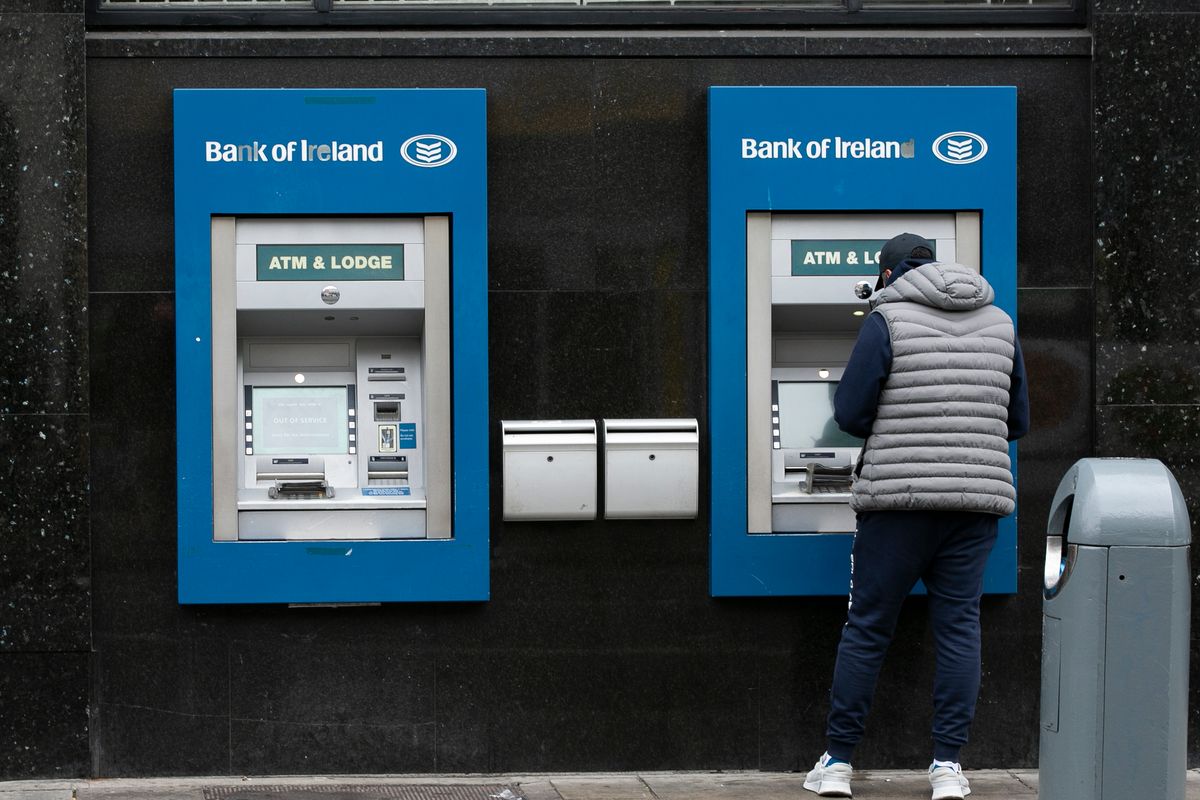
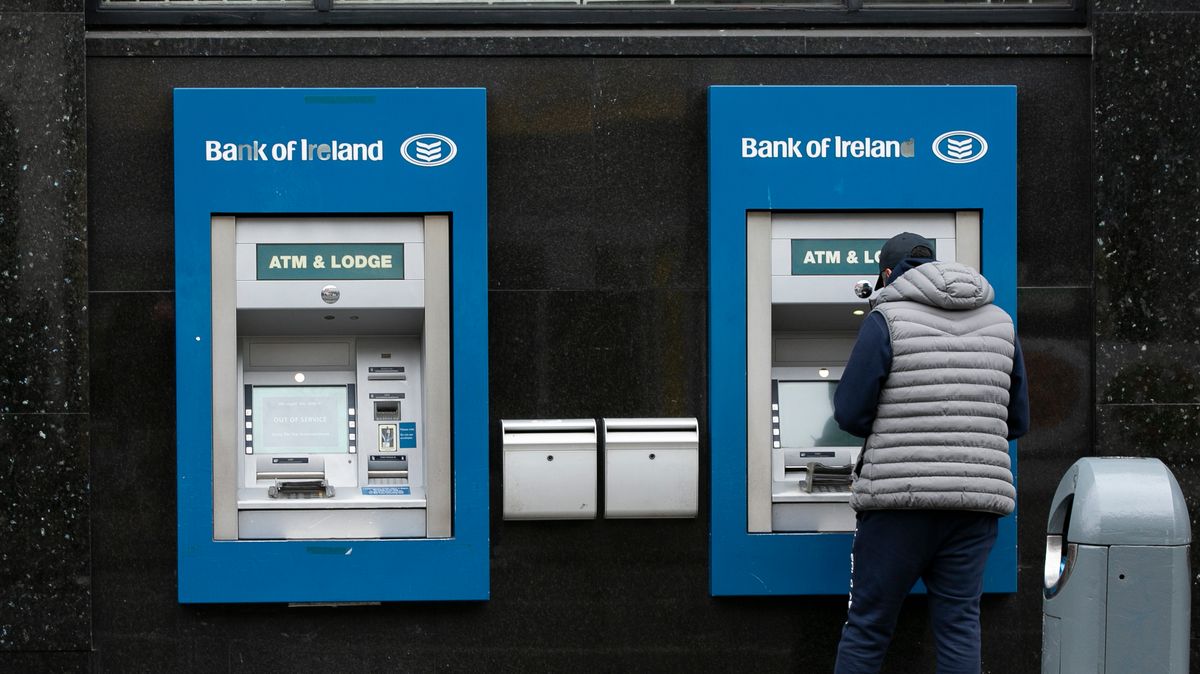
File photo of an ATM in Dublin city centre(Image: Gareth Chaney/ Collins Photo Agency)
Bank of Ireland has revealed that there has been an increase in bank impersonation scams.
It found that there had been a significant increase in cases recorded throughout May and the pattern is continuing.
The report found cases of fraudulent texts, suspicious or declined transactions and messages prompting customers to call a fraudulent phoneline.
Bank of Ireland are advising customers and the general public to be particularly vigilant.
They are urging customers to take simple steps to protect themselves.
How do bank impersonation scams work?
Customers receive a text message that appears to come from a trusted source, such as Bank of Ireland.
The message typically references a suspicious or declined transaction and pressures the customer to respond or act quickly.
The customer is often asked to call a phone number included in the message.
When they call, they are connected to a fraudster posing as a member of the bank’s fraud team.
The caller sounds calm, professional and helpful, but will quickly create urgency. The fraudster convinces the customer to make a payment or give away banking details.
Alternatively, customers are told their money is at risk and must be moved immediately to a “safe account”.
However in reality, the “safe account” is controlled by the fraudster and the money is lost.
In some cases, scam texts can even appear under trusted contact names stored in a customer’s phone, making them even harder to spot.
Head of Fraud at Bank of Ireland, Nicola Sadlier said: “Fraudsters use familiar brands and everyday transactions, and create a sense of urgency to respond.
“The most effective defence is a ‘zero trust’ approach. Pause and question any unexpected contact, even if it appears to come from your bank.
“Never rely on phone numbers or links provided in messages. Call your bank directly using a trusted number from its official website or the back of your card.”
How to protect yourself
There are numerous ways to protect yourself.
Firstly you can call your bank directly using a trusted number from its official website or the back of your card.
TextChecker service – if you get a text that claims to be from Bank of Ireland but you are not sure if it’s genuine, here’s how to verify it:
You can copy the text you wish to verify, paste into a new message and add the word CHECK before the text. (In the same text) Send to 50365.
If you receive a suspicious text, email a screenshot to 365Security@boi.com and then delete the message.
Bank of Ireland customers who believe they may have shared banking information should call the Bank of Ireland 24/7 Freephone line immediately.
Subscribe to our newsletter for the latest news from the Irish Mirror direct to your inbox: Sign up here.