
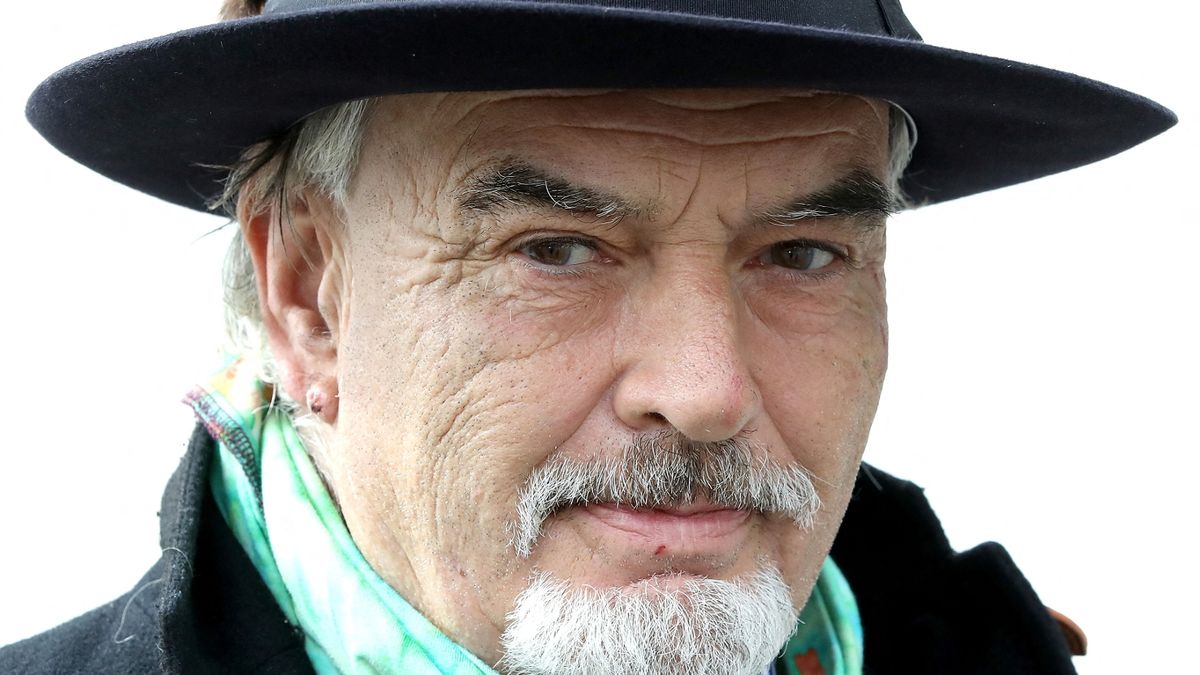
Ian Bailey remained as the key suspect into the horrific death of Sophie Toscan Du Plantier, but was never charged by Gardai, however he was convicted of murder in absentia in a French court in 2019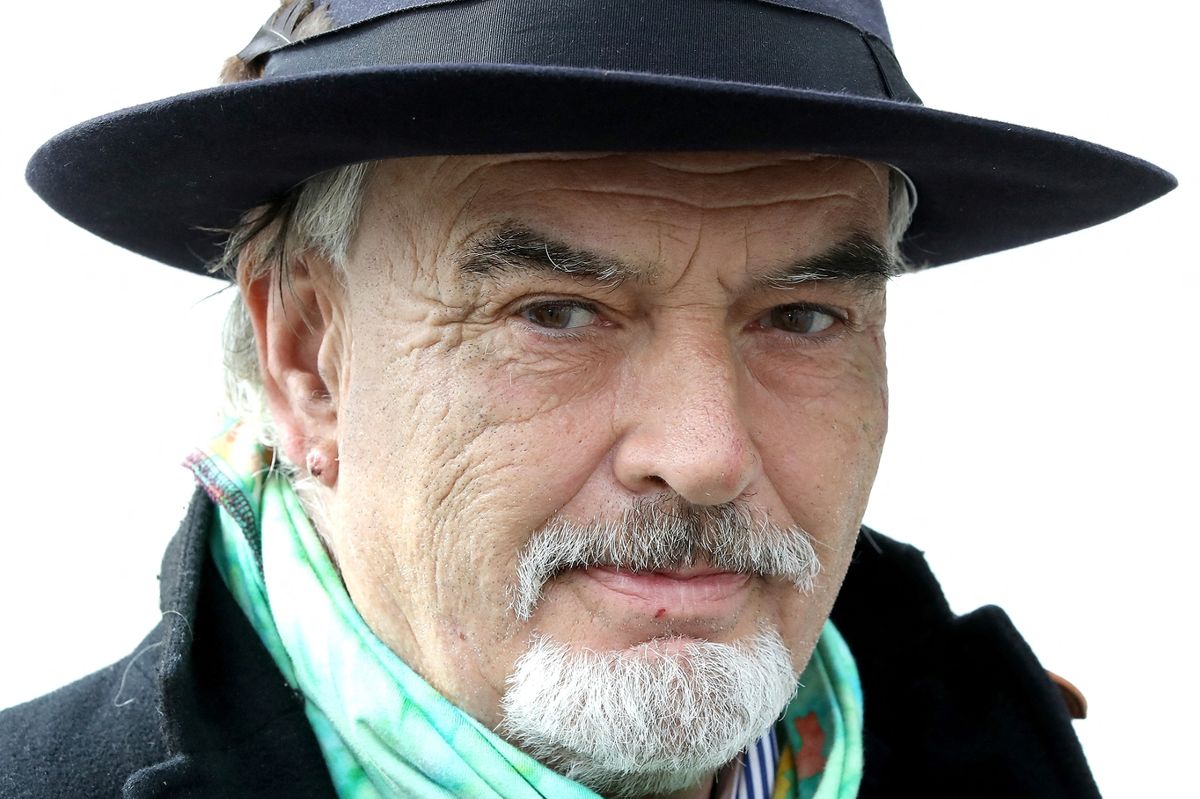
Ian Bailey.(Image: AFP via Getty Images)
Ian Bailey gave a new DNA sample to gardai in the months before he died, we can reveal.
The prime suspect in the murder of Sophie Toscan du Plantier knew he was in danger of dying from heart disease and wanted to ensure the authorities had an updated genetic sample.
He had given his DNA to gardai years previously following his first arrest after Sophie’s murder in Christmas 1996.
The revelation was made by his only sibling, his sister Kay Reynolds, as gardai conduct a worldwide DNA search to identify a tiny blood sample found on Sophie’s boot.
Detectives are hoping by discovering whose blood it is they might make major inroads into identifying the killer.
A relieved Kay welcomed the new move and said if the sample found was Ian’s she would have been told by now.
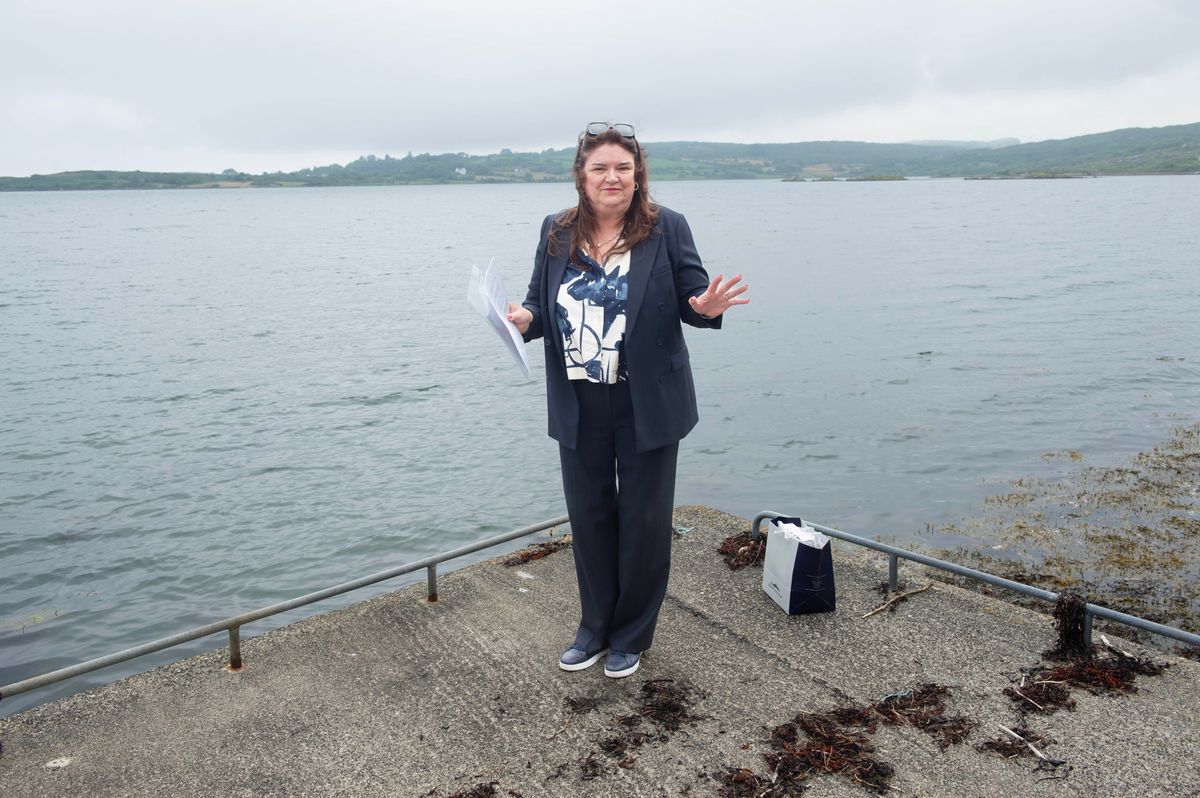
Kay Reynolds(Image: Michael Mac Sweeney/Provision)
She said: “Gardai have had Ian’s DNA for a long time and I know he voluntarily gave them a new sample shortly before he died. He knew he was seriously ill and wanted to ensure that no one could say there was a problem with his DNA after he was dead and gone.
“I have been calling on gardai to step up their efforts to find the person that this unidentified DNA belongs to. I am absolutely sure if the sample belonged to my brother they would have said it publicly by now.
“If they identify the person who the blood belonged to then they might identify the real killer. It would be remarkable for Sophie’s family to finally get the answers that they are looking for.”
Kay said she is not “fed-up” waiting for the truth to come out because over the last 30 years since the French film-maker was battered to death, she never felt he did it. She said: “My daughter, my son, my husband, we all believed he was not a murderer.
“Sophie’s death was such a gruesome crime that all of us felt that whoever did it could not leave that horrific crime scene without leaving some DNA mark behind.
“We are all hoping gardai can identify this particular sample and it will give them a real lead in the case.
“I genuinely feel for Sophie’s family and we think about them all the time. It would be nice to see closure in this case for everyone and to see the killer finally being caught.
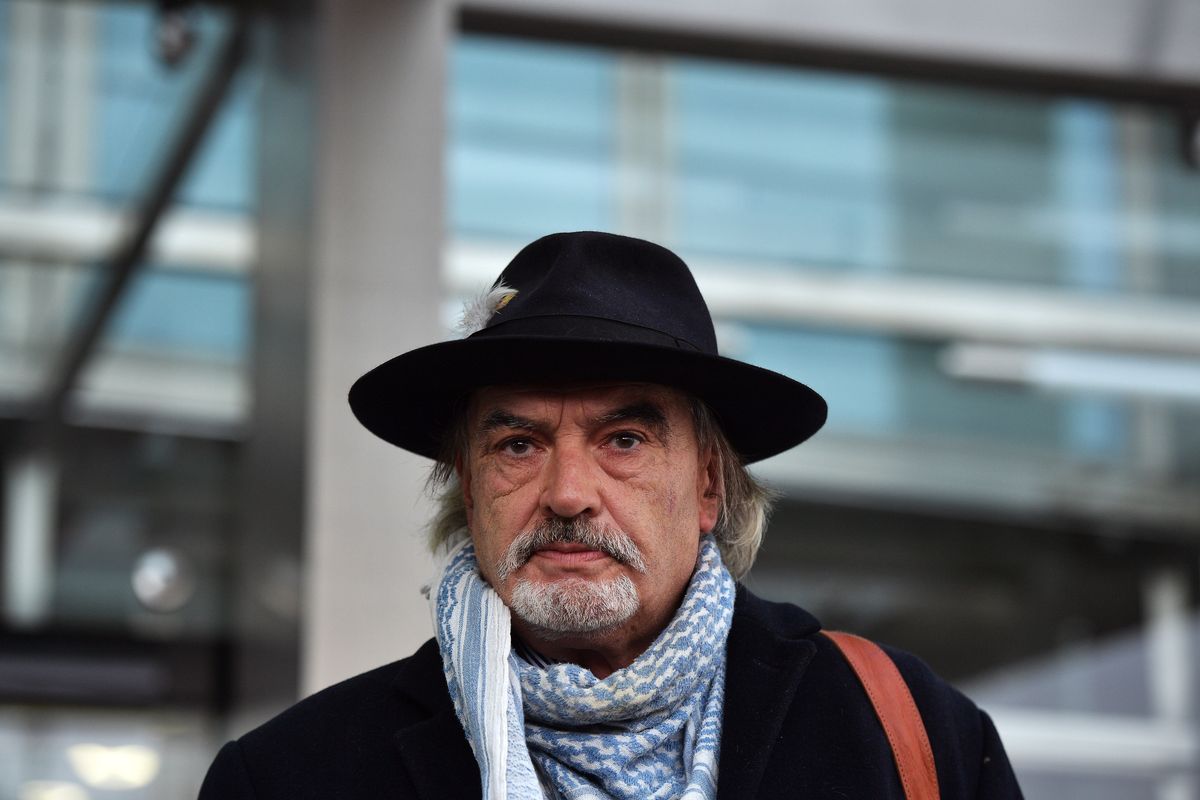
Ian Bailey was arrested twice but never charged over the murder of the beautiful French film maker
“My understanding is Ian gave his DNA again because he knew there are huge developments in modern forensic technology and this might eventually lead to a breakthrough in the murder hunt.
“You don’t think you voluntarily give up your DNA to the Garda if you are guilty, do you?”
Bailey died in January 2024 from a heart attack while walking down the street near his home in Bandon, Co Cork.
Kay, who lives in London, added: “I miss him like mad. He was really into his music and loved Leonard Cohen. We have a two-year-old grandniece who sang one of his favourite songs Hallelujah at a family function and the tears were running down my face thinking of Ian.”
Forensic Science Ireland as part of the Cold Case Review of Sophie’s murder have shared the identified genetic material with DNA databases in other countries, but so far no match has been found.
However, the process could take several weeks as detectives still keep all avenues open in the investigation.
Bailey in interviews before he died always believed Sophie was killed by someone local she knew who had contacts in the criminal world.
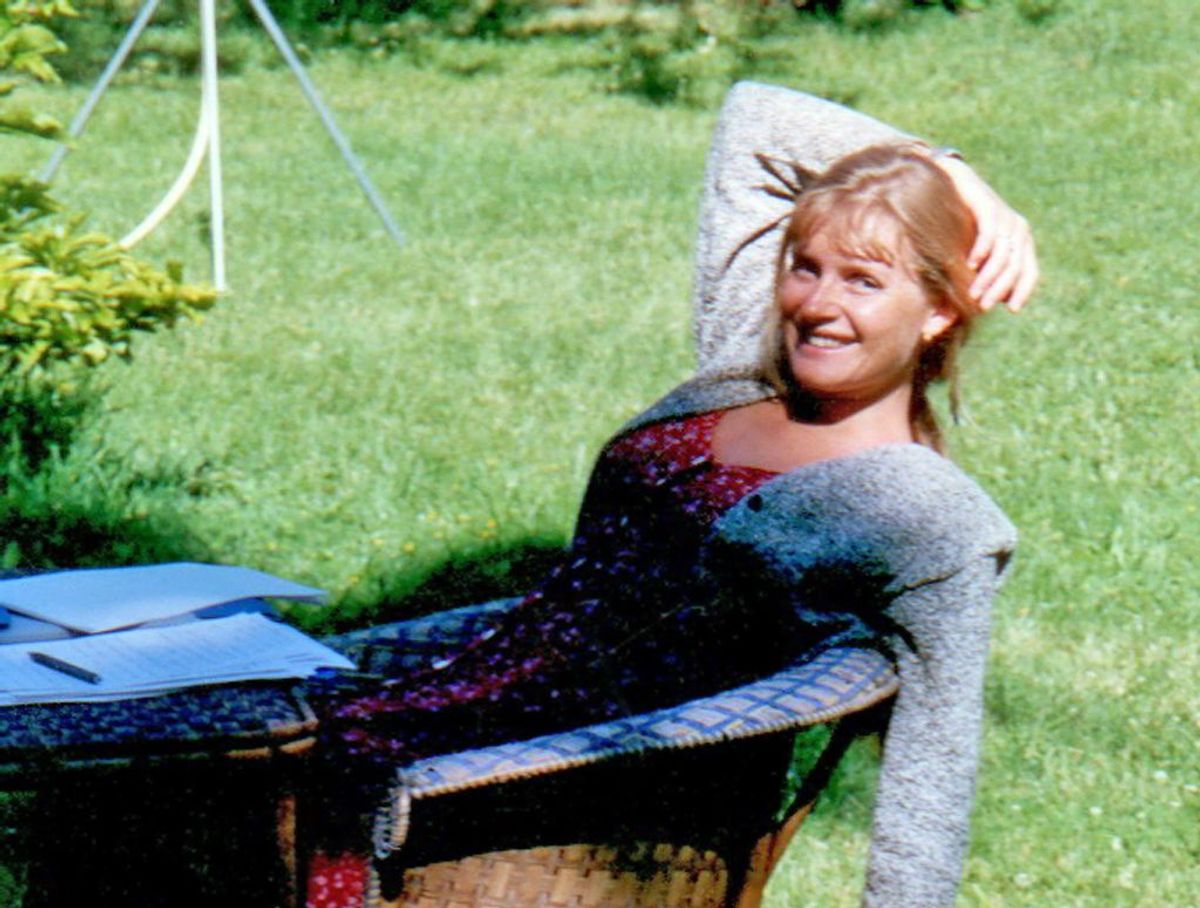
Sophie Toscan du Plantier(Image: PATRICK ZIMMERMANN/AFP via Getty Images)
One theory that also emerged is her late film producer husband Daniel hired a hitman to kill her because he was having an affair at the time.
Gardai never got to actually question him face-to-face when they went to visit him in France in the months after the murder. He instead prepared a statement that was made with the help of the French police.
Another factor in the mystery is an unknown man was seen following Sophie in Schull, west Cork, by post mistress Marie Farrell in the afternoon before she was killed.
Gardai arrested Bailey twice over the murder but never charged him because the DPP ruled there was a lack of evidence.
However, some local gardai and residents were convinced he was the murderer. The French courts also took a similar view when they convicted him of the murder in absentia in 2019 and sentenced him to 25 years jail. Bailey refused to go to Paris for the trial which contained hearsay evidence that would not be applicable in an Irish court of law.
 Sign up to our new Crime Ireland newsletter and get exclusive content from Michael O’Toole and Paul Healy
The Irish Mirror’s Crime Writers Michael O’Toole and Paul Healy are writing a new weekly newsletter called Crime Ireland. Click here to sign up and get it delivered to your inbox every week
The Irish judiciary in turn refused to extradite him to France to serve his sentence and he spent the last few years of his life, living under a cloud with the French conviction and sentence hanging over him.
Gardai did not comment on Kay’s claim that her brother had given a new DNA sample. A statement said: “The Garda investigation into the murder of Sophie Toscan du Plantier in 1996 remains active and ongoing.
“The Garda Serious Crime Review Team’s review into this murder which began in June 2022 also continues.
“An Garda Siochana continues to liaise with the family of Sophie.”
Subscribe to our newsletter for the latest news from the Irish Mirror direct to your inbox: Sign up here.