
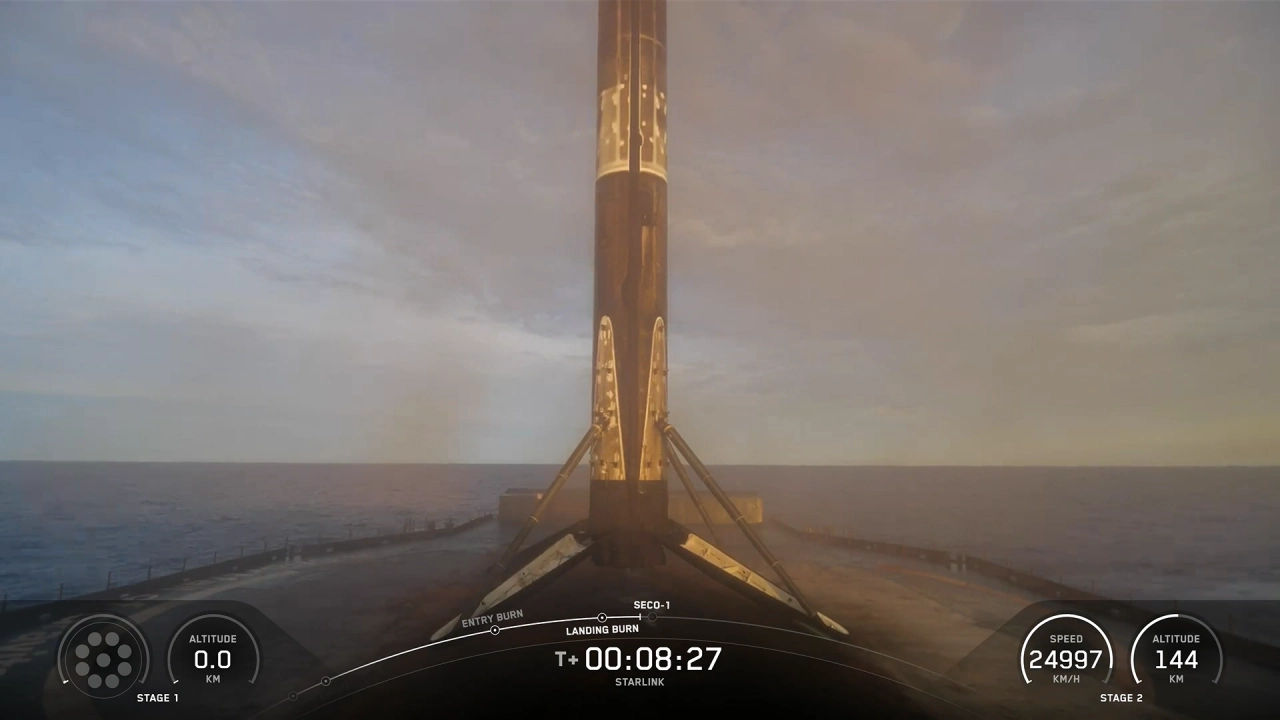
SpaceX has pushed rocket reusability to another milestone, with a SpaceX Falcon 9 booster completing its record-breaking 35th flight.
The first-stage booster, identified as B1067, flew during the Starlink 10-35 mission from Cape Canaveral Space Force Station in Florida. The launch delivered 29 Starlink satellites into low Earth orbit, further expanding SpaceX’s broadband constellation.
For SpaceX, this was not just another Starlink mission. The SpaceX Falcon 9 booster milestone shows how reusable rocket hardware has become a routine part of high-frequency launch operations.
SpaceX Falcon 9 Booster Record: Key DetailsDetailInformationRocketFalcon 9BoosterB1067MissionStarlink 10-35Flight Count35th flightPayload29 Starlink satellitesLaunch SiteSpace Launch Complex 40, Cape CanaveralLaunch TimeJune 8, 2026, 6:13:50 a.m. EDTMission TypeLow Earth orbit satellite deploymentSpaceX Falcon 9 Booster Reusability Reaches A New Level
The 35th flight of booster B1067 sets a new record for Falcon 9 reuse.
For much of spaceflight history, rockets were treated as single-use machines. After launch, major hardware was either discarded, lost in the ocean, or destroyed during reentry.
SpaceX changed that model by designing Falcon 9’s first stage to return, land vertically, undergo inspections, and fly again.
That approach has allowed the company to fly boosters dozens of times instead of building a new first stage for every mission.
Why The 35th Flight MattersReusability MilestoneWhy It Matters35 flights on one boosterShows long-term reuse is operationally possibleStarlink deploymentSupports frequent launch cadenceBooster recovery modelReduces need for new first stagesRepeat inspectionsBuilds confidence in reused hardwareHigh launch rhythmHelps SpaceX serve Starlink, NASA, and commercial missions
Spaceflight Now notes that SpaceX has demonstrated Falcon 9 boosters can support up to 40 flights, while B1067 is now the company’s flight leader.
Starlink Still Drives Launch Cadence
The record-setting flight came during another Starlink deployment mission.
Starlink missions have become central to SpaceX’s launch schedule because the company needs a steady flow of satellites to expand and maintain its broadband internet network.
The Starlink 10-35 mission added 29 more satellites to low Earth orbit. Spaceflight Now reports that the Starlink constellation now includes more than 10,500 spacecraft.
That regular mission pattern gives SpaceX a unique advantage.
Because Starlink launches happen so frequently, the company can gather large amounts of flight data from reused boosters and refine its inspection, refurbishment, and turnaround process.
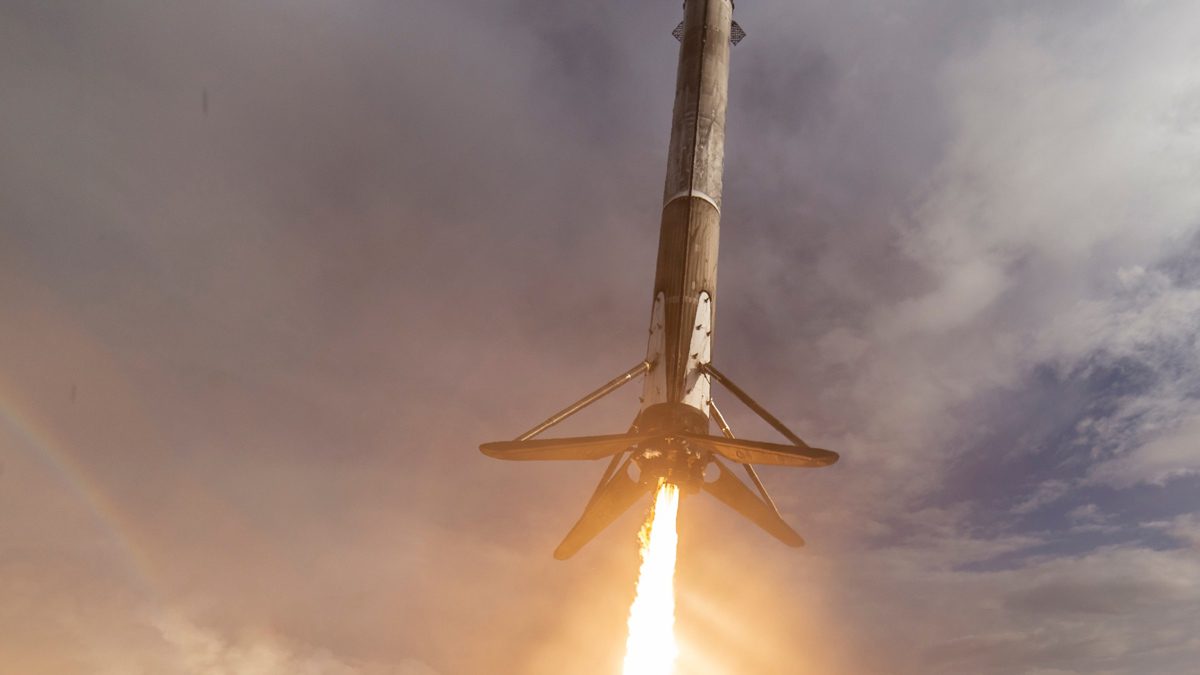 SpaceX Falcon 9 Launches Before Scheduled TimeReusability Changes The Launch Business
The importance of Falcon 9’s 35th booster flight is not only technical. Every reused booster means SpaceX does not need to build a completely new first stage for that mission. That can reduce manufacturing pressure, improve launch availability, and help the company maintain a launch pace that few competitors can match.
Traditional Launch ModelSpaceX Reusable ModelBuild new booster oftenReuse first stage repeatedlyHigher hardware replacement needMore value from same rocketSlower cadenceFaster launch rhythmLess operational data per vehicleMore data across repeated flightsCostlier scalingBetter launch efficiency
This is why the 35th flight matters beyond SpaceX. It continues to show how reusable rockets are reshaping the wider launch industry.
Falcon 9 Remains Central To SpaceX
Even as SpaceX develops Starship, Falcon 9 remains the company’s workhorse.
It continues to support Starlink launches, commercial satellite missions, NASA flights, and government payloads.
Spaceflight Now reported that, as of June 8, SpaceX had several Falcon boosters that had flown more than 25 times, including B1067 at 35 flights, B1071 at 33 flights, B1063 at 32 flights, and B1069 at 31 flights.
That shows Falcon 9 reusability is not limited to one lucky booster. It is now part of a broader fleet strategy.
What Comes Next?
B1067’s 35th flight brings Falcon 9 closer to the upper range of SpaceX’s current reuse targets.
If inspections continue to support more flights, the same booster could move closer to 40 missions. That would have seemed almost impossible during the early days of reusable rocket experiments.
At the same time, lessons from Falcon 9’s repeated flights will continue feeding into SpaceX’s wider reusability ambitions, including Starship.
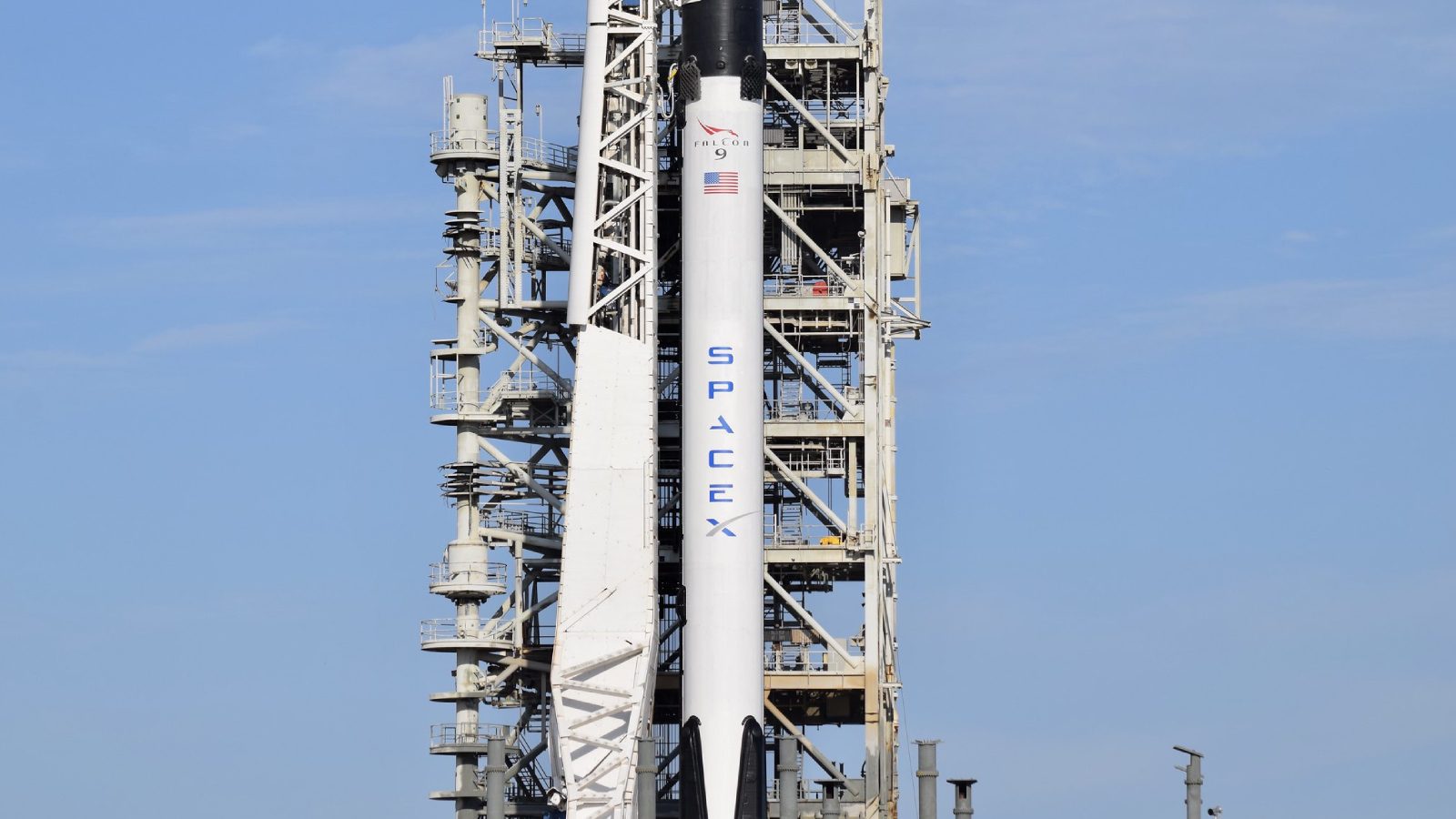 SpaceX Falcon 9 Rocket | Image credit: flickrBottom Line
SpaceX Falcon 9 booster B1067, completing its 35th flight, is another major moment for reusable spaceflight.
The Starlink 10-35 mission shows how far Falcon 9 has moved from experimental recovery to routine reuse. A booster flying dozens of times is no longer a concept. It is now part of SpaceX’s normal launch rhythm.
With Falcon 9 still powering Starlink, NASA, commercial, and government missions, SpaceX’s reusability record is likely to keep moving higher.