

The Cabinet is to discuss a new appeals structure for international protection applicants ahead of the EU-wide asylum and migration pact coming into effect on Friday.
Minister for Justice Jim O’Callaghan is to seek approval for the appointment of a Chief Appeals Officer to the new Tribunal for Asylum and Returns Appeals (TARA) which will become operational later this week.
The statutorily independent body will exercise a quasi-judicial function and will replace the International Protection Appeals Tribunal.
The body is part of a raft of measures to come into force across Europe from Friday, as the EU seeks to create a unified legally-binding system to fast-track border screenings and split the responsibility of hosting asylum seekers amongst all member states.
Mr O’Callaghan has previously described the bill as the most significant reform of asylum laws in the history of the State although Sinn Féin has expressed fresh reservations in recent days that the pact could undermine Irish sovereignty.
President Catherine Connolly referred the plans to the Council of State before signing the bill into law in April.
Mr O’Callaghan will also seek approval for Jennie’s Law, which would result in those convicted of domestic violence against a partner or former partner being included on a public register.
Removal of Triple Lock
Separately, Minister for Defence Helen McEntee is to seek Cabinet approval for the Defence (Amendment) Bill, which provides for the removal of the triple lock.
The requirement for UN approval when deploying members of the Defence Forces outside the State is to be axed, with the proposed legislation stipulating that a contingent of the Defence Forces can be dispatched outside the State where there is government approval along with a resolution passed by the Dáil.
Last week, the Coalition had indicated the legislation could be enacted by the end of the year.
Ms McEntee is likely to reference Ireland’s recent withdrawal from Operation IRINI – a European anti-arms smuggling naval mission in the Mediterranean – because the UN Security Council’s mandate for the mission had lapsed.
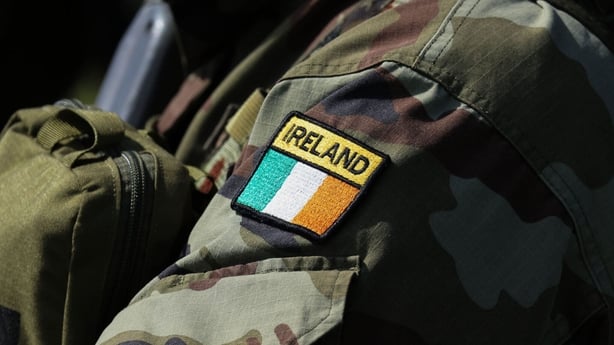
The requirement for UN approval when deploying members of the Defence Forces outside the State is to be axed
She will tell her colleagues how the proposed approach would ensure that future deployments remain consistent with the principles of the UN Charter and international law, while avoiding situations where decisions taken by other states can prevent Ireland’s participation in international peace support operations.
The Government’s move to remove the Triple Lock comes despite opposition claims the decision will undermine Ireland’s neutrality.
In March, around 400 academic staff and other university workers signed a letter to Taoiseach Micheál Martin expressing alarm at the Cabinet’s decision to remove the Triple Lock.
President Connolly has previously stated the Triple Lock is “at the core” of Irish neutrality and that there should be a referendum on the issue.
Ms McEntee is to also seek Cabinet approval for Ireland’s EU Presidency Priorities and Policy programme ahead of its publication tomorrow.
Plan to tackle deepfakes
The Cabinet will also discuss plans to create a standalone criminal offence for knowingly exploiting or using an individual’s name, photograph or likeness without their consent to deceive the public.
It follows a private members bill by Fianna Fáil TD Malcom Byrne to tackle so called ‘deepfakes’.
Meta was forced to remove several deepfake videos during last year’s Presidential Election while several well-known personalities have found their images and voices used as part of highly sophisticated deepfake videos designed to hoodwink unsuspecting members of the public.