
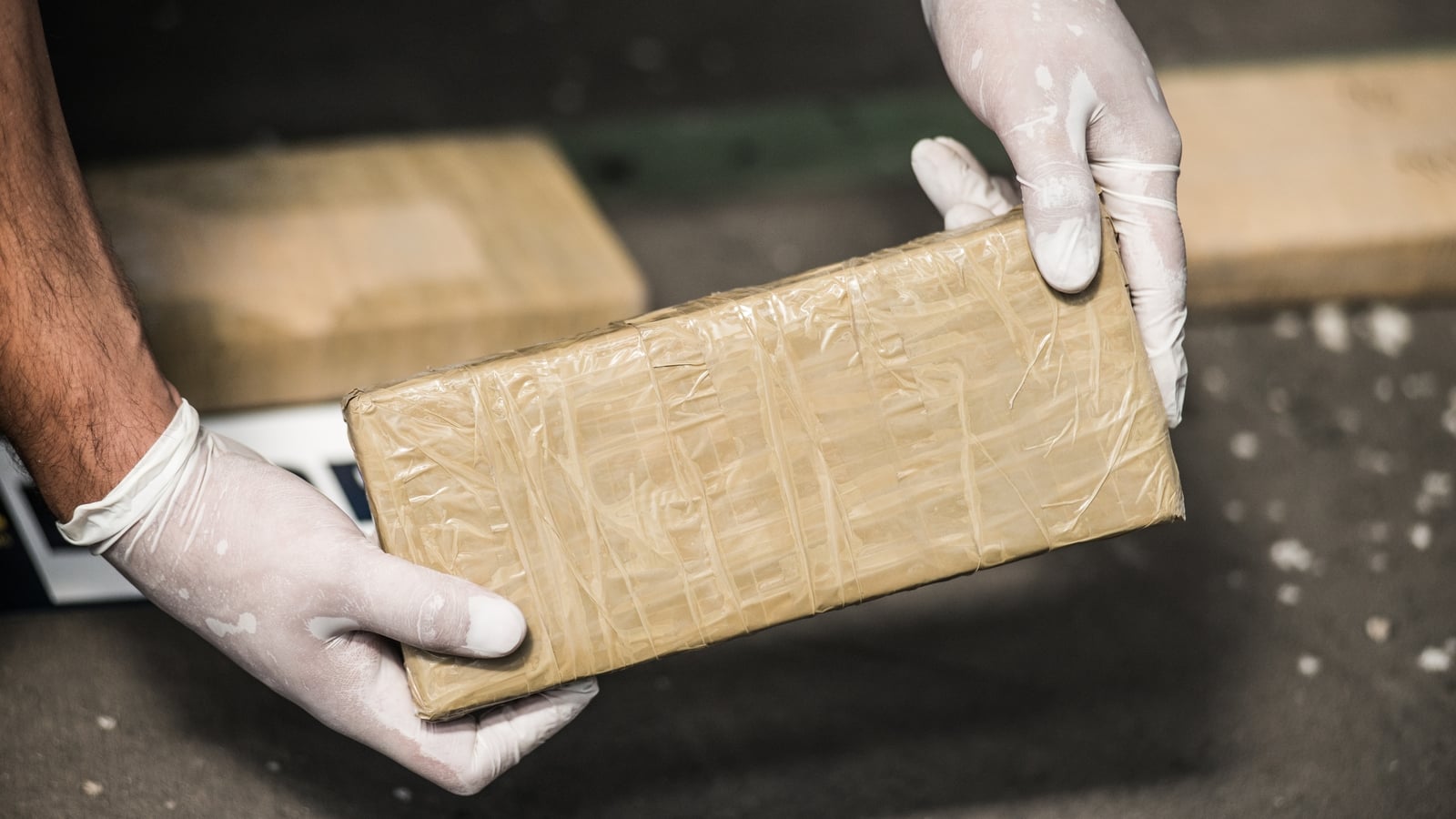
Transnational organised crime groups have diversified their drug trafficking routes and methods of smuggling to evade detection and bring multi-million Euro drugs consignments to Europe, according to the latest EU drugs report.
Criminal gangs are increasingly using smaller ports, at-sea transfers involving ‘go-fast’ boats, semi-submersibles, drones and sophisticated concealment techniques to traffic cannabis, cocaine, heroin and other drugs.
These developments, which the report says are a response to intensified policing operations at major European ports, are making trafficking harder to detect and are putting greater demands on law enforcement and customs authorities.
The EU Annual Drugs Report which is based on data from 29 countries also says that organised crime groups continue to exploit and recruit vulnerable young people to traffic drugs and perpetrate violence, and drug-related intimidation and violence are a major concern.
The report also says a new psychoactive drug is being detected every week in Europe.
A total of 50 new drugs, such as powerful synthetic opioids, were reported for the first time in Europe last year, with the European Drugs Agency (EUDA) monitoring over 1,000.
The report also says that vaping and e-cigarette use of nicotine products are common among adolescents in Europe and there are concerns that vapes are being used for other harmful substances including synthetic opioids.
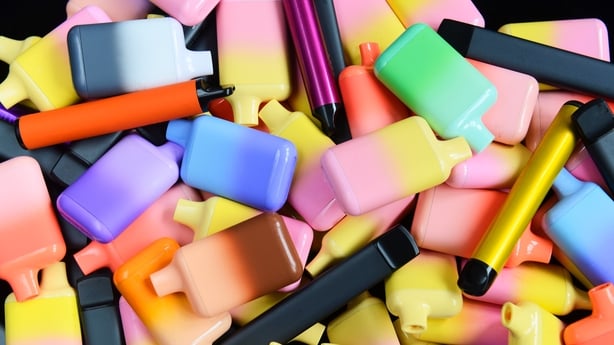
Vaping and e-cigarette use of nicotine products are common among adolescents in Europe
The EUDA has warned that people are facing more health risks as the drugs markets are evolving rapidly and becoming more complex.
It points to the risks posed by the wide availability and increasing use of more substances.
It says new cannabis products continue to appear, while the variety of opioids and stimulants sold is on the rise.
Polysubstance use is also common, with people combining drugs in ways that increase risk and complicates responses.
The report says that Europe’s ability to address these challenges depends on stronger service-provision systems and sustained investment in prevention, treatment, harm-reduction and social reintegration.
More herbal cannabis is being trafficked into Europe from Canada and the United States, and to a lesser extent from Thailand, the report says.
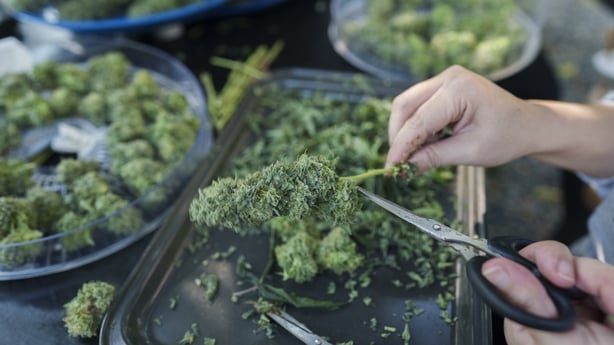
More herbal cannabis is being trafficked into Europe from the US and Canada (stock pic)
This is because overproduction, lower prices and strong competition in the North American cannabis market have led to a surplus of high potency products there.
Cannabis from Canada is usually smuggled in shipping containers while the drug is smuggled from the US through the postal service.
Cannabis is the most widely used drug in Europe with around 25 million people having used it last year.
Cocaine is the most commonly reported substance in admissions to hospital emergency services, with the increase in crack cocaine adding to concerns.
Crack is a visible and potentially growing problem in several European cities, particularly among marginalised groups, most likely being driven by the high cocaine availability.
While the volume of cocaine seizures decreased last year, the number of seizures rose to 97,000, a reflection of the move by traffickers to smaller more fragmented consignments to avoid detection.
Cocaine is also being produced inside Europe, mainly in the Netherlands, with 43 cocaine factories dismantled in six countries in 2024.
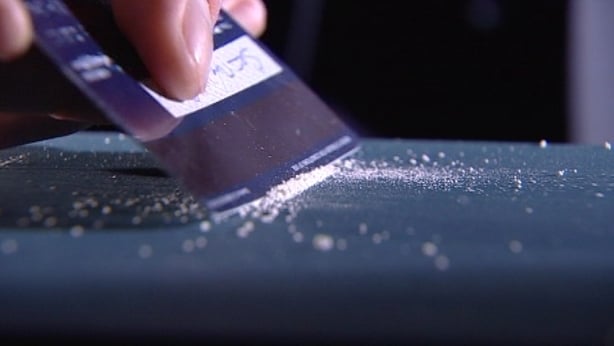
Cocaine is also being produced inside Europe, mainly in the Netherlands
These included facilities for the secondary extraction of cocaine chemically concealed in other materials, such as clothing and plastics.
Opioids are the main cause of drug induced deaths in Europe with over 7,600 fatal overdoses last year, mainly due to multiple substances including heroin, highly potent synthetic opioids, opioid agonist treatment medicines and pain-relief medications.
The report says Europe’s heroin market is proving resilient. Advanced processing and adulteration practices, as well as tactical supply management of Afghanistan’s large stockpiles (estimated at around 12,000 tonnes of opium in 2025) by trafficking networks, appear to have provided a buffer to the sharp decline in poppy cultivation and opium production that followed the Taliban ban in 2022.
Production is also shifting and Pakistan has emerged as a source of opium and heroin, with over 9,000 hectares of opium poppy cultivation in 2025, rivalling Afghanistan’s output.
In Asia, Myanmar’s opium poppy cultivation reached a 10-year peak of more than 45,000 hectares in 2025.
New synthetic opioids, often highly potent, are also of particular concern, with 95 of them detected in Europe since 2009, including nitazenes and orphines.
Fake medicines containing nitazenes, mimicking legitimate prescription medicines such as oxycodone or diazepam, are also increasingly being recovered.

New synthetic opioids, often highly potent, are also of particular concern (stock pic)
The report also says that China’s blanket ban on nitazenes in July 2025 may have redirected the market towards alternative opioids, with increased reports of orphines in Europe.
Since 2024, nine new orphines have been identified, with two (cychlorphine and spirochlorphine) now under EU investigation.
Between June 2024 and January 2026, 18 deaths linked to orphines were reported.
Fentanyl, a highly potent synthetic opioid has been linked to over 100 drug-related deaths in Bulgaria between 2024 and 2025.
Ketamine, which is an essential medicine used for anaesthesia and pain relief, is now increasingly being misused as a psychoactive substance in Europe.
While overall consumption remains relatively low, the report says it is becoming more common in some youth and nightlife settings, where it is typically snorted in powder form.
Health risks range from acute poisoning to chronic harms, such as serious bladder damage linked to intensive use, and health services are beginning to feel the impact.
The report says that most ketamine seized on the illicit drug market in Europe originates from legitimate pharmaceutical production, particularly in India.
It is legally imported into the EU, mainly via Germany, before being diverted into illicit channels.