
A significant portion of submissions on the latest plans for the Cork to Kinsale Greenway project came from people in Dublin.
A report on the most recent Public Consultation – the third consultation on the contentious active travel project – shows that hundreds of submissions came from outside the study area.
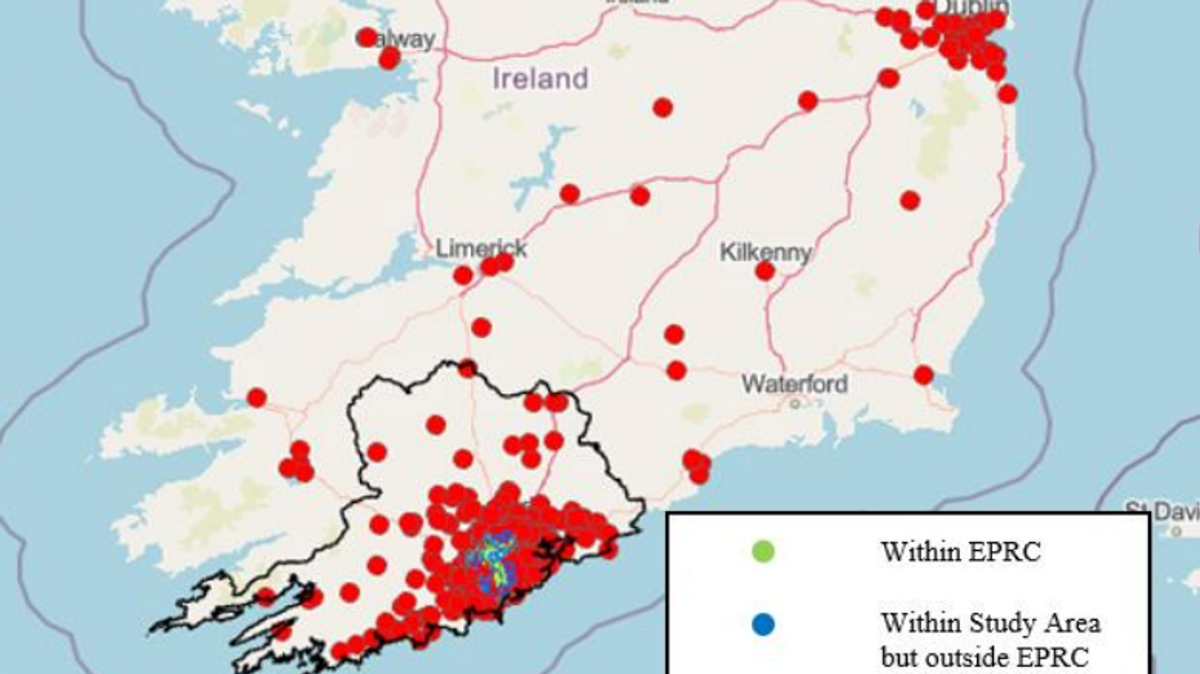
People having their say included hundreds from around Co Cork, as well as plenty of submissions from Dublin. A map released by the council shows other submissions dotted around the country, including Kilkenny, Limerick, Galway and as far north as the Monaghan border.
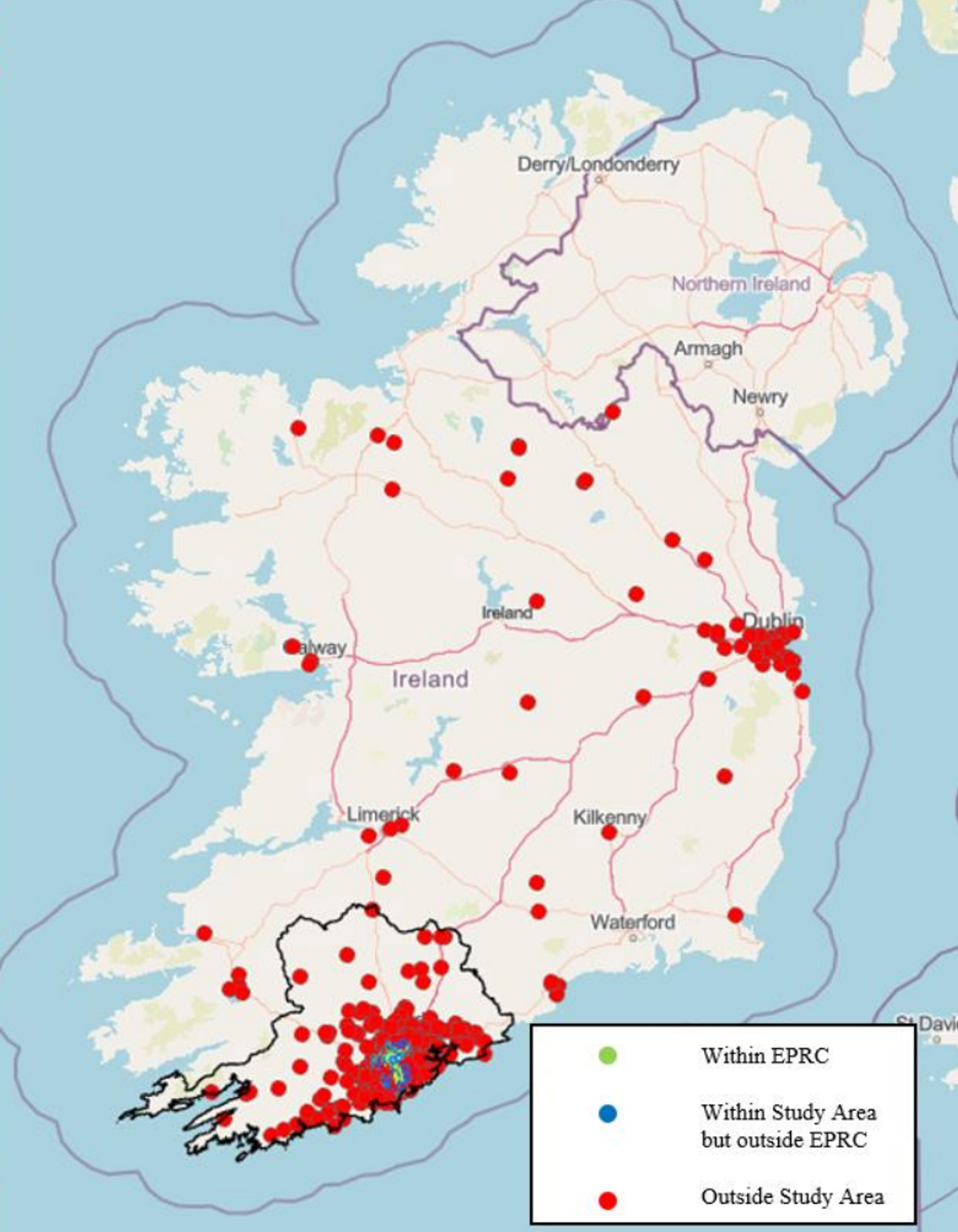
The Consultation received over 2,000 submissions as the public has their say on the greenway plans
The locations were either mapped based on eircode or approximate location due by address provided.
The 35km greenway corridor will connect the city with Waterfall, Ballinhassig, Halfway, Crossbarry, Riverstick and Belgooly. Currently under consideration is the route for the Belgooly-Kinsale section. Between July 2 and August 29, 2025, the consultation was open for the public to share their views on the preferred route.
In total, 758 submissions came from outside the immediate study area between Cork and Kinsale.
Meanwhile, 903 submissions were made by people in the study area or within the preferred route zone.
The impact on homes and farmers, as well as privacy, safety and antisocial behaviour, are among the biggest concerns from residents who submitted their thoughts
Of the more than 2,000 individual submissions received, a significant portion featured ‘negative themes.’
Close to 4,000 instances of ‘negative themes’ were recorded, ranging from impact on locals to increased traffic concerns.
The most common negative themes included:
Impact on local residents/farmers – mentioned in 689 submissionsPrivacy, security or safety concerns – mentioned in 572 submissionsEnvironment or wildlife concerns – mentioned in 549 submissionsCost and value concerns – mentioned in 531 submissionsAntisocial behaviour concerns – mentioned in 358 submissionsPerceived lack of transparency or information – mentioned in 330 submissionsIncreased traffic and parking concerns – mentioned in 282 submissionsPreference for alternative routes – mentioned in 275 submissionsOpposition to Compulsory Purchase Orders (CPOs) – mentioned in 193 submissionsUse of private land – mentioned in 187 submissions
Submissions from residents also included positive themes, including hundreds who praised its community benefits, safety, tourism, connectivity, health and wellbeing, heritage, cultural value, and environmental and sustainability impacts – as well as over 100 counts of “general support” for the greenway project.
2,348 submissions were received in total during the third consultation.
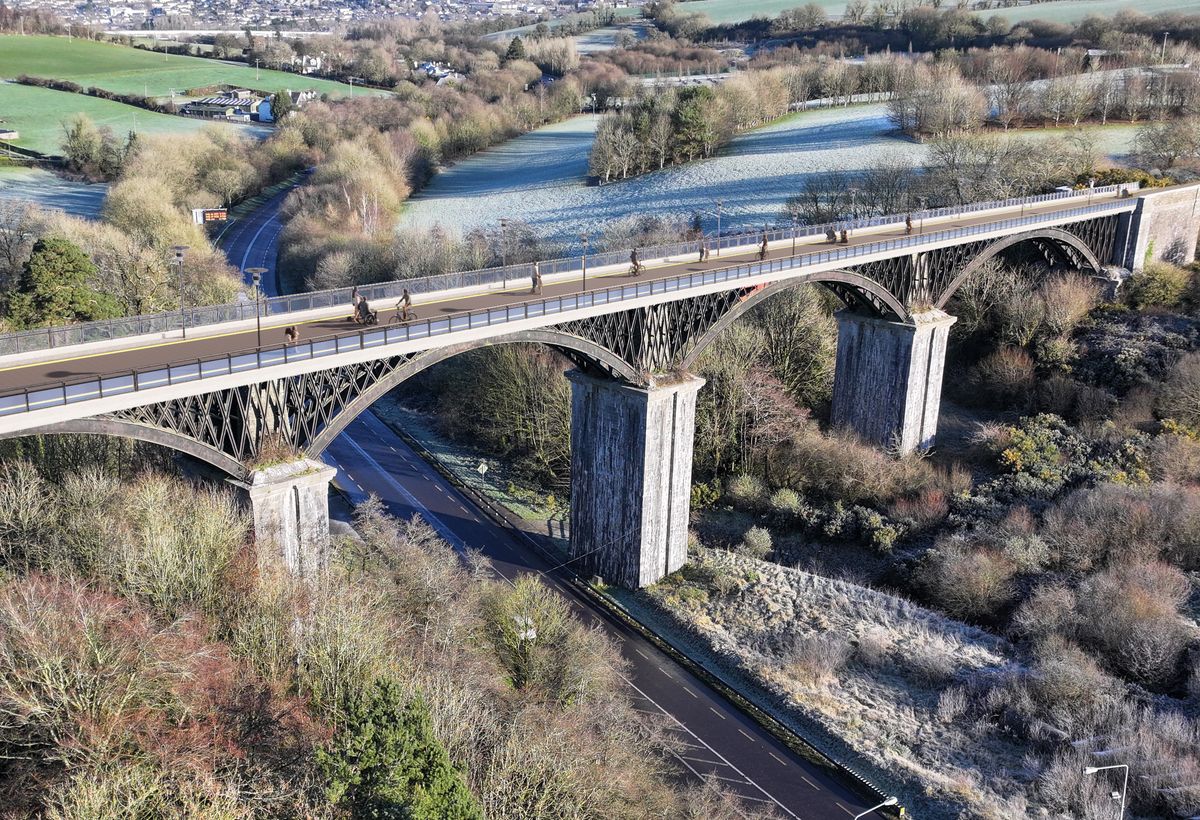
A computer-generated image of the cycleway over the old Chetwynd Viaduct(Image: Cork County Council)
Regarding the Compulsory Purchase Orders, the planners have said that houses were “never considered” for purchase and will continue to engage with landowners.
“Compulsory purchase (CPO) of residential properties was never considered as a viable option by the Project Team,” the report says, “Going forward, communication around corridor boundaries and potential impacts will be best strengthened to ensure that property owners clearly understand actual potential implications for their land/property.”
A number of information sessions were held during the consultation period, and attendance was “substantially higher than expected.”
“The Viaduct Bar venue for the final in-person consultation proved too small to comfortably accommodate all participants on the day,” they said, “At times, the scale of opposition from some attendees also created a challenging environment for meaningful engagement between the public and Project Team members.”
They also said: “Some residents, including younger people and a number of landowners, felt discouraged from openly expressing support for the greenway due to the strength of local opposition and concerns about negative reactions from within the community, which may have contributed to lower levels of publicly expressed positive feedback.” They said that consultations in the future may be held in “alternative formats,” including appointment-based consultations.
The planners noted: “It is normal for projects of this scale and nature to generate a widerange of views, particularly during the non‑statutory consultation phases. Large linear infrastructure projects generally receive significant levels of concern from directly affected landowners. The submissions received, highlighting these concerns, play a vital role in ensuring that potential impacts of the project are fully understood and can be considered as the project develops.”
The next steps for the Project Team will include one-to-one engagement with landowners, with solutions to “minimise impacts wherever possible.”
The project is only in the very early stages and is nearing the end of Phase 2 (Option Selection). As part of this phase, an Emerging Preferred Route Corridor has been identified. It will be about 35km in length, with nearly 50% of its length centred on or including the alignment of the historic, now dismantled, Cork, Bandon and South Coast Railway.