
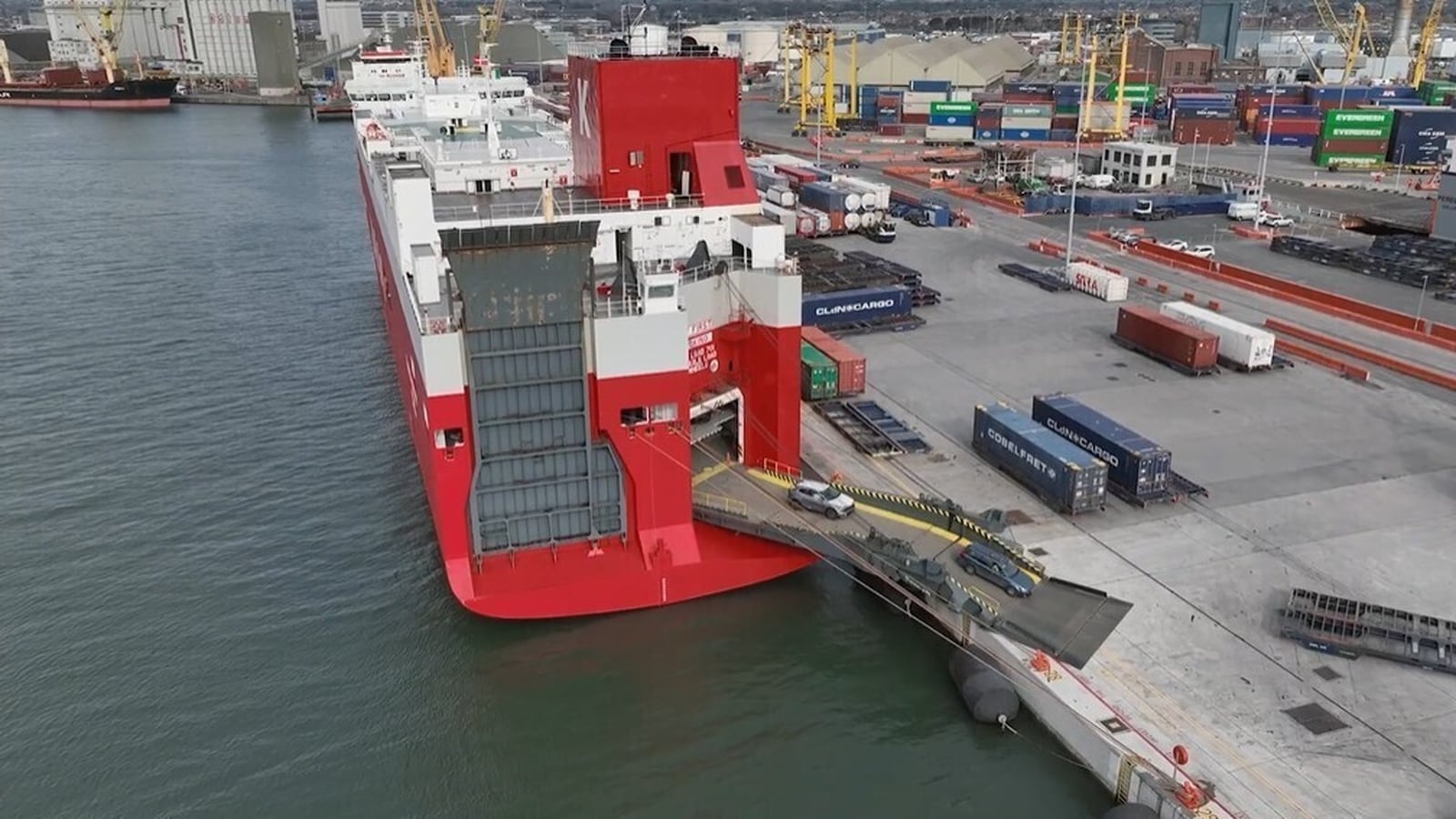
Members of the Irish motor industry have warned of increased costs and lost sales if an area of Dublin Port that is used to store imported cars is rezoned for housing.
The Dublin Port Company has also said it has serious concerns about plans to rezone the car import storage facility and another area used for refrigerated food storage.
In a submission to Dublin City Council ahead of a meeting later this month that will look at rezoning lands in the city, the Dublin Port Company (DPC) said that it does not support plans to change the use of the 10 acres site located beside the East Wall Road, which the port currently uses to store imported vehicles.
It said last year two thirds of all of the new vehicle imports into the country, (119,000 vehicles) came through Dublin Port, making it the busiest car import facility in the State.
DPC said its car import storage area, which has the capacity for 2,000 vehicles, is used to store cars before they are distributed and that its close proximity to the vessel berths allows cars to be unloaded quicker, a process which it says can range from 12 hours to three days depending on the number of vehicles involved.
“During the offloading process, the cars have to remain within the confines of the Port as they have not been cleared by customs and are not taxed or insured to drive on public roads. The location of this car storage facility, within the port and relatively close to waterside, is vital to its effective functioning.”
It said the site which has been in operation since 2014, is linked by bridge to the main part of the port and was constructed at a cost of €3.8m.
Dublin Port Company also said it does not support the rezoning of another area used for a refrigerated food storage facility.
It said both the car import facility and the refrigeration area are currently in active operational port use and that moving these activities away from Dublin Port would undermine the strategic role of Dublin Port and have potential environmental implications.
“The displacement of these functions away from the port estate would introduce additional handling stages, increase vessel turnaround times, and generate additional HGV movements. Such outcomes would be contrary to sustainable transport, efficient port operation and national objectives relating to supply chain efficiency and decarbonisation.”
Rezoning facility could result in higher costs – SIMI
The Society of the Irish Motor Industry (SIMI), whose 1,100 members import 98% of cars into the State, said that rezoning the car importation facility at Dublin Port could result in increased costs and loss of sales.
“Dublin accounts for 42.5% of national car registrations, with this proportion increasing to 55.2% when the adjacent counties are included. These figures emphasise the overriding importance of Dublin Port to the importation and distribution of cars in Ireland.
“Any reduction in capacity in Dublin will create logistical difficulties only adding to the already heightened cost of doing business and potentially increase the working capital requirements and costs associated with increased stocking times. It could also result in lost sales.”
Volkswagen Group Ireland which imports and distributes Volkswagen, Skoda, Audi, SEAT, CUPRA and Volkswagen commercial vehicles also warned that rezoning the land could have cost and supply chain implications.
It said Dublin Port is its “primary gateway for vehicle imports” and that last year that amounted to around 38,000 cars which generated €500m in VRT and VAT revenue.
“Any displacement would undermine the efficiency and resilience of the national vehicle import supply chain. Relocating the staging function further from quay-side operations would increase internal movements and/or require longer road transfers, extending vessel discharge times and adding congestion and cost impacts.”
A meeting of Dublin City Council to decide on a number of rezoning issues is due to take place next Monday 22 June.