
“Last night, the Singapore jet fuel price was down to US$115 [$197] per barrel. It wasn’t that long ago where it was in the mid-100s.”
US President Donald Trump on the weekend said a deal with Iran to end the Middle East war was imminent and the Strait of Hormuz would be “open to all” immediately after.
The US and Iran will also reportedly have talks on a final settlement to their conflict on Friday.
After war started on February 28, jet fuel prices on occasion hit record highs as oil prices rose and the “crack spread” or jet fuel refining premium surged too.
“The crack spread has been declining to a lesser extent but it’s still at relatively low levels compared to a couple of months ago,” Bowley said today.
The refining premium was about US$35 a barrel.
“It’s still problematic, in the sense of comparing the aviation world to pre-conflict.”
He said impacts for airlines would depend on factors including how much they’d hedged and how confident consumers were.
“I’d characterise the New Zealand consumer as more fragile,” Bowley told the Herald.
“The bigger question for an airline is what does this mean for their model, to what extent do they manage their capacity?”
Air New Zealand last month said it would cut more flights across the domestic and international network from late July to late October because of volatile jet fuel prices.
The airline in March announced surcharges ranging from $10 for one-way in economy class domestic flights to $90 on long-haul flights.
New Zealand imports all its jet fuel.
Westpac NZ chief economist Kelly Eckhold said the Singapore jet fuel price had fallen substantially in the past couple of weeks.
“Logically, you would expect that to flow through in lower costs to the airlines. A lot of these surcharges were put in place through March.”
But he said with many airfares bought weeks or months in advance, it might take a while for cheaper airfares to show up in inflation data such as the Consumer Price Index (CPI), which is released once every three months.
June quarter CPI is due for release on July 21.
Stats NZ’s latest selected price index data suggested international flights were 5.5% cheaper last month than a year earlier but domestic fares 8.2% more expensive.
“Jet fuel’s been on a wild ride, much wilder than Brent crude,” Eckhold said.
Jet fuel prices today of about US$113 a barrel were still above pre-war prices on February 26 of US$91, he said.
Some airlines hedged or locked fuel prices in advance, as a form of insurance against volatility.
Air New Zealand in March said it was 83% hedged against Brent crude for the six months to June 30.
Eckhold said that protected the airline when oil prices went up but meant it missed out on benefits when prices fell substantially.
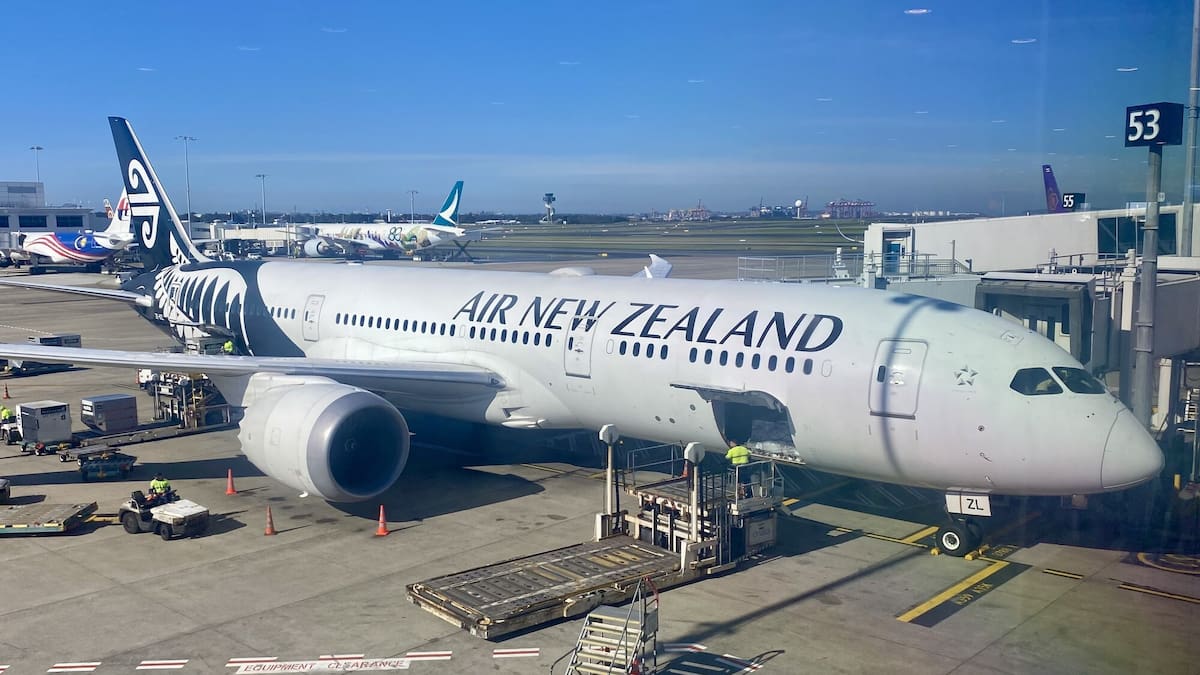
An Air New Zealand Boeing 787-9 Dreamliner. Fuel is usally the airline’s second-biggest cost after labour. Photo / John Weekes
Consumer NZ chief executive Jon Duffy said hedging should be noted in discussions about when fares should come down.
“It means the crude price or the wholesale market price of fuel on a given day isn’t necessarily influencing the prices of airfares on sale that day.”
But he said that aside, the consumer group would be concerned if any airline was misleading people about the need for surcharges.
“If we start seeing crude prices steadily drop … the length of time it takes to flow through the system will be interesting to watch.”
Air New Zealand has been approached for comment.
Meanwhile, the US Energy Information Administration (EIA) said US jet fuel production seemed to have increased to record highs in response to high prices after February 28.
“Much of the increased US jet fuel production is being exported, as domestic inventories remain above average,” the EIA said last week.
“The increased production reflects both above-average refinery runs and strategic shifts to increase jet fuel yields.”
The EIA said jet fuel prices in Europe and Asia traded at significant premiums to the US Gulf of Mexico coast in March and April, attracting sources to replace imports from the Middle East.
Brent crude shortly before 5pm today was trading at US$78.71, down from US$95.15 a week earlier and US$112.10 a month ago.
John Weekes is a business journalist covering aviation. He previously covered consumer affairs, crime, politics and courts.
Stay ahead with the latest market moves, corporate updates, and economic insights by subscribing to our Business newsletter – your essential weekly round-up of all the business news you need.