
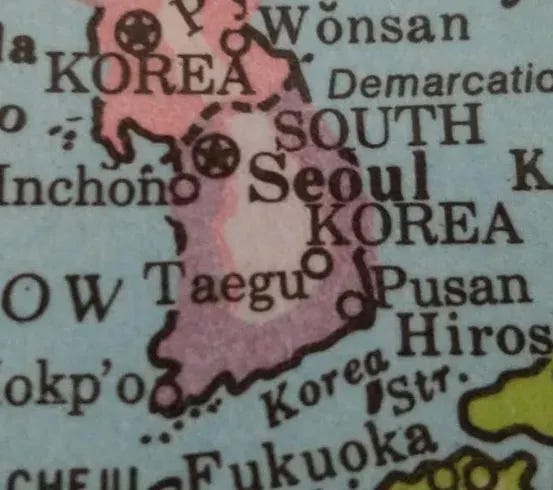
The Korea Disease Control and Prevention Agency issued a Japanese Encephalitis alert on Wednesday, June 17, after Japanese Encephalitis (JE) virus genes were detected in mosquitoes collected in the Daegu area.
An alert is issued if:
When the daily average number of Culex tritaeniorhynchus mosquitoes collected twice a week is 500 or more and accounts for 50% or more of the total mosquito density
When the Japanese encephalitis pathogen is isolated or its gene is detected from collected mosquitoes
In the event that a patient with Japanese encephalitis occurs
The Korea Disease Control and Prevention Agency has been conducting surveillance of vector mosquitoes since 1975 to prevent Japanese encephalitis infection, and this year, the surveillance program will be carried out at 14 locations nationwide from March to October. Recently, in cooperation with local government health and environment research institutes, pathogen surveillance has been strengthened by including the Culex pipiens mosquito in the surveillance target, in addition to Culex tritaeniorhynchus, the mosquito that transmits Japanese encephalitis.
The red house mosquito has the characteristic of mainly inhabiting small-scale stagnant water (septic tanks, artificial containers, etc.) rich in organic matter in urban areas, and the Japanese encephalitis virus detected this time was identified in the red house mosquito (Culex pipiens).
Initial symptoms of Japanese encephalitis are mild, such as fever, headache, and vomiting; however, if it progresses to encephalitis in rare cases, symptoms such as high fever, seizures, confusion, convulsions, paralysis, and disorientation may appear, and 20 to 30% of patients may die. In particular, even after recovery from encephalitis, 30 to 50% of patients may experience various neurological complications depending on the site of injury.
In Korea, an average of about 17 cases of Japanese encephalitis have occurred, with the first patient usually reported in August or September and cases continuing until November. Looking at the characteristics of patients reported for Japanese encephalitis over the past five years (79 cases), men accounted for 60.8%, which was higher than women, and 65.9% of the total patients were over 60 years old.
Since an effective vaccine for Japanese encephalitis is available, it is recommended that children eligible for the national immunization program (those born after 2013) be vaccinated according to the standard immunization schedule.
In addition, vaccination (at a cost) is recommended for adults aged 18 or older who have no prior experience with Japanese encephalitis vaccination, including ➊ those who live in a risk area (near rice paddies or pig farms) or plan to be active in a risk area during the transmission season, ➋ foreigners who have migrated from a non-endemic area and will reside in the country for a long period, and ➌ travelers to countries at risk of Japanese encephalitis*.
* Countries at risk of Japanese encephalitis: Bangladesh, Bhutan, India, Nepal, Pakistan, Sri Lanka, Brunei, Myanmar, Cambodia, Indonesia, Laos, Malaysia, Philippines, Singapore, Thailand, East Timor, Vietnam, China, Japan, North Korea, South Korea, Taiwan, Russia, Australia, Papua New Guinea.