
The WRC heard a complaint was made to the airline by a passenger on board a flight on April 9, 2024 which was critical of Mr O’Neill’s treatment of another passenger.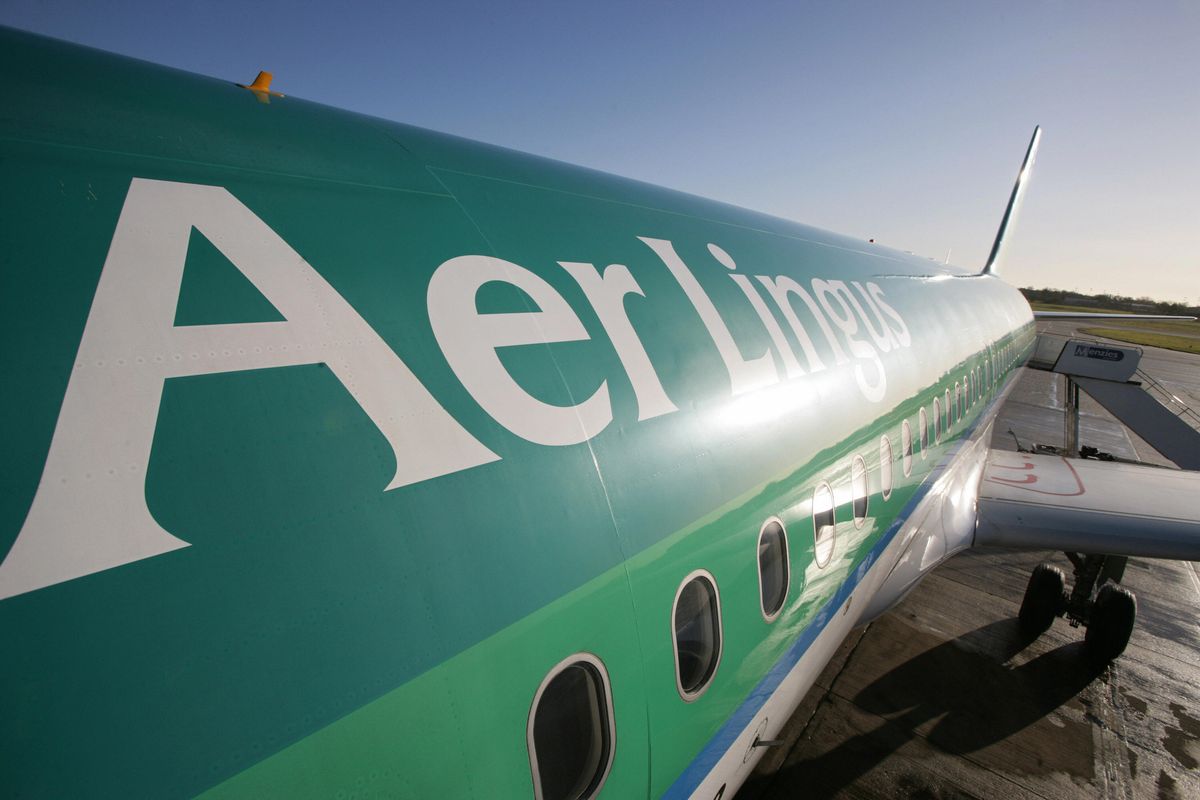
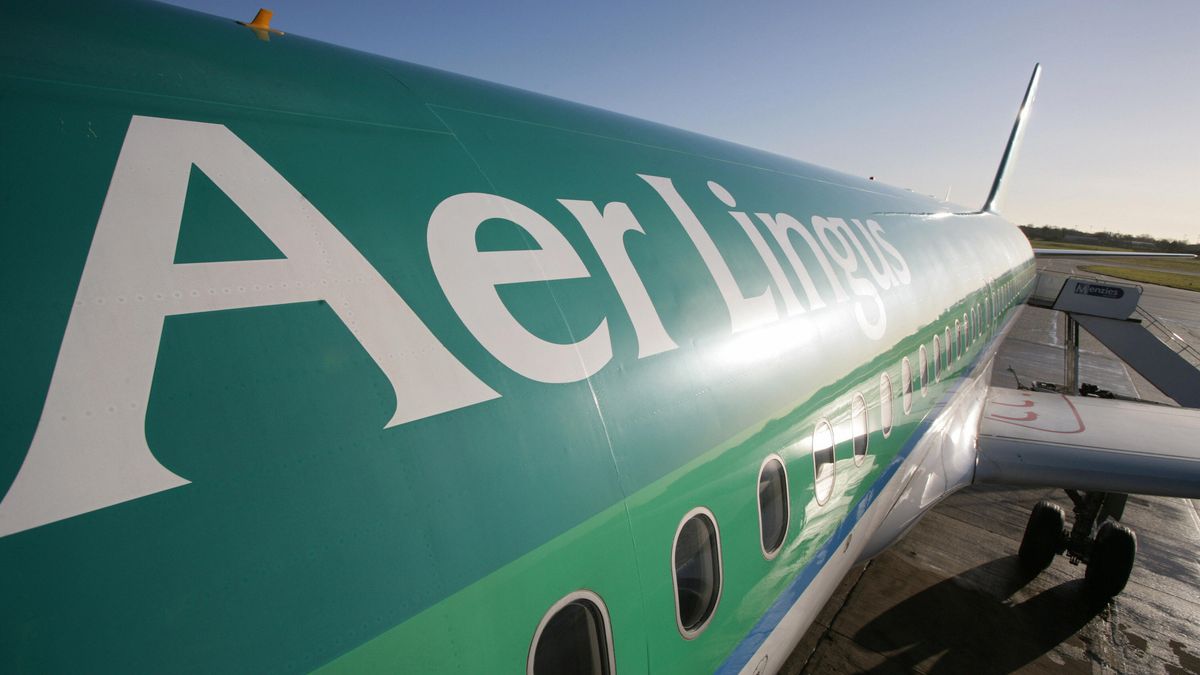
Aer Lingus aircraft(Image: PETER MUHLY/AFP via Getty Images)
An Aer Lingus flight attendant who was fired for gross misconduct over an incident on a delayed flight from Marseilles to Dublin when he allegedly refused to let a passenger use the bathroom for up to 45 minutes was not unfairly dismissed, an employment tribunal has ruled.
The Workplace Relations Commission found that Aer Lingus had not breached the Unfair Dismissals Act in terminating the employment of senior cabin crew member, Alan O’Neill, in October 2024.
The WRC ruled that the airline had reasonable grounds to find Mr O’Neill guilty of gross misconduct over how he had interacted with the passenger during the flight and subsequently in Dublin Airport.
WRC adjudication official, Michael McNamee, said the disciplinary process including an appeal was “fair and reasonable.”
He claimed any flaws in the process were not sufficiently serious to undermine the overall fairness of the decision from the point of a reasonable employer.
Mr McNamee said he was satisfied that Aer Lingus had given reasonable consideration to Mr O’Neill’s length of service and previously unblemished record as well as his personal circumstances.
He also accepted that the sanction of dismissal was warranted and was “a reasonable and proportionate response to the gravity of the misconduct and the need to avoid its recurrence.”
The WRC heard a complaint was made to the airline by a passenger on board a flight on April 9, 2024 which was critical of Mr O’Neill’s treatment of another passenger.
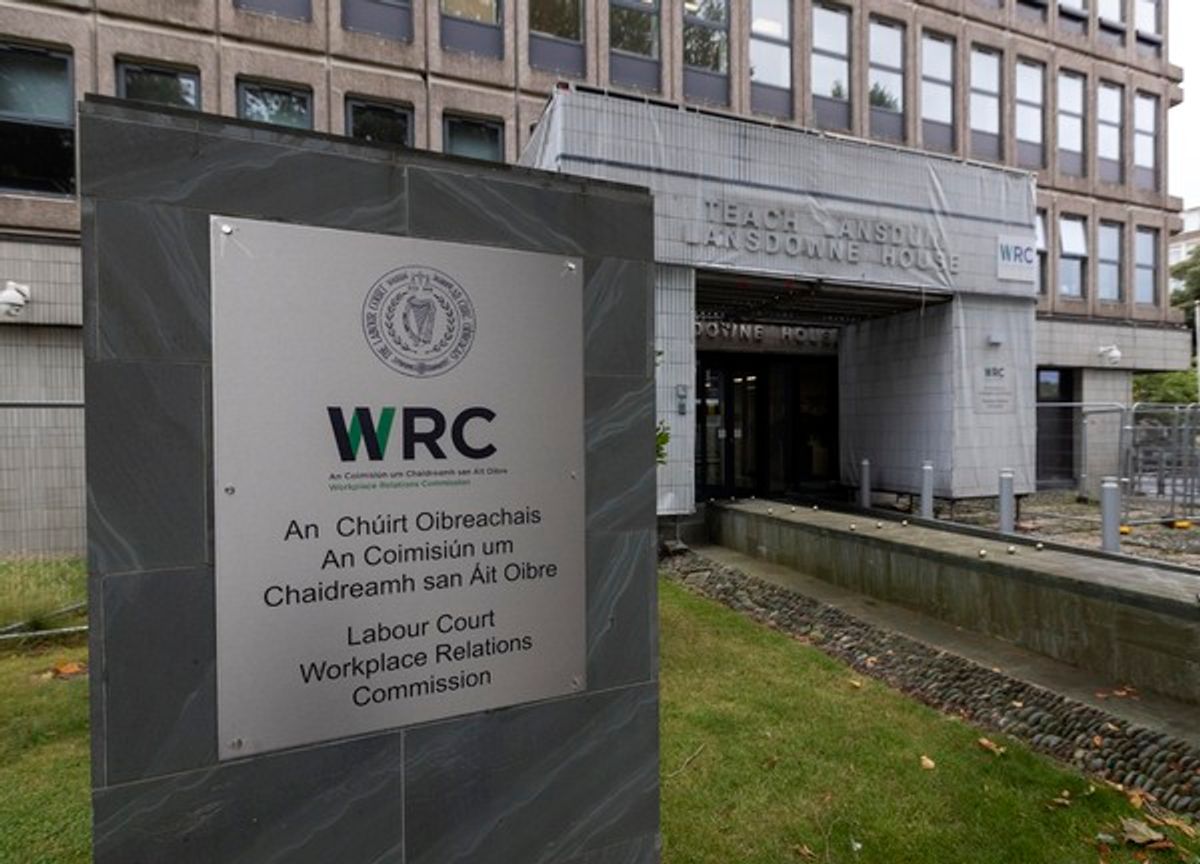
Lansdowne House, the offices of the Workplace Relations Commission in Ballsbridge, Dublin.(Image: Colin Keegan, Collins Agency, Dublin)
Another flight attendant told the WRC that the passenger, a male in his 30s, had been reduced to tears over what had happened.
An Aer Lingus manager said customers had felt unsafe and wanted to get off the aircraft.
She claimed Mr O’Neill should have deescalated the situation or delegated it to another cabin crew member.
Mr O’Neill told his bosses that he was “assertive, not aggressive” in dealing with the passenger but admitted that it was “not his best performance.”
However, the company found that he had behaved in an unprofessional and aggressive manner towards a customer.
The WRC heard that Mr O’Neill and the passenger also came across each other as they were leaving the airport when further words were exchanged between them.
Mr O’Neill, who had worked with Aer Lingus for over 11 years, claimed he was following standard operating procedures while the pilots had the “fasten seat belt” sign on.
He told his managers that he was under strain in his personal life and had been triggered by the passenger swearing at him when he was not allowed to go to the toilet.
The Workplace Relations Commission and Labour Court offices in Dublin(Image: Philip Fitzpatrick/Collins)
Mr O’Neill explained to them that he had become fearful as a result of the interaction due to a personal issue which explained his unprecedented and out-of-character behaviour.
Mr O’Neill, who opted not to give evidence or call any witnesses during a six-day hearing before the WRC, had served the passenger with a formal warning under Aer Lingus’ disruptive passenger procedures.
It resulted in the passenger being prohibited from flying with the airline until the ban was rescinded after a complaint about Mr O’Neill was made by another passenger.
Lawyers for Mr O’Neill, who was also represented by his trade union, Forsa, claimed the decision to terminate his employment was exceptionally severe given he had been applying safety procedures at the time.
They claimed the disciplinary process was procedurally flawed while the sanction of dismissal was disproportionate.
The WRC heard Mr O’Neill found another job after four months.
Lawyers for Aer Lingus made a submission that Mr O’Neill’s claim for unfair dismissal should be dismissed on the basis that he did not give any evidence to the hearing.
In his ruling, Mr McNamee said Aer Lingus had reasonable grounds for deeming the flight attendant’s behaviour on the day undermined trust and confidence in him.
Mr McNamee said it was not a case of an employee overreacting in the face of extreme and unforeseeable provocation.
He also found it reasonable for Aer Lingus to conclude that the sanction of demotion would not remove the risk of a similar incident happening again.
Mr McNamee said the airline had not received any guarantees from Mr O’Neill that the behavioural issues resulting from his personal issue would not recur.
Subscribe to our newsletter for the latest news from the Irish Mirror direct to your inbox: Sign up here.