
Junior Minister Christopher O’Sullivan, who has responsibility for nature and biodiversity, today launched Invasive Species Week 2026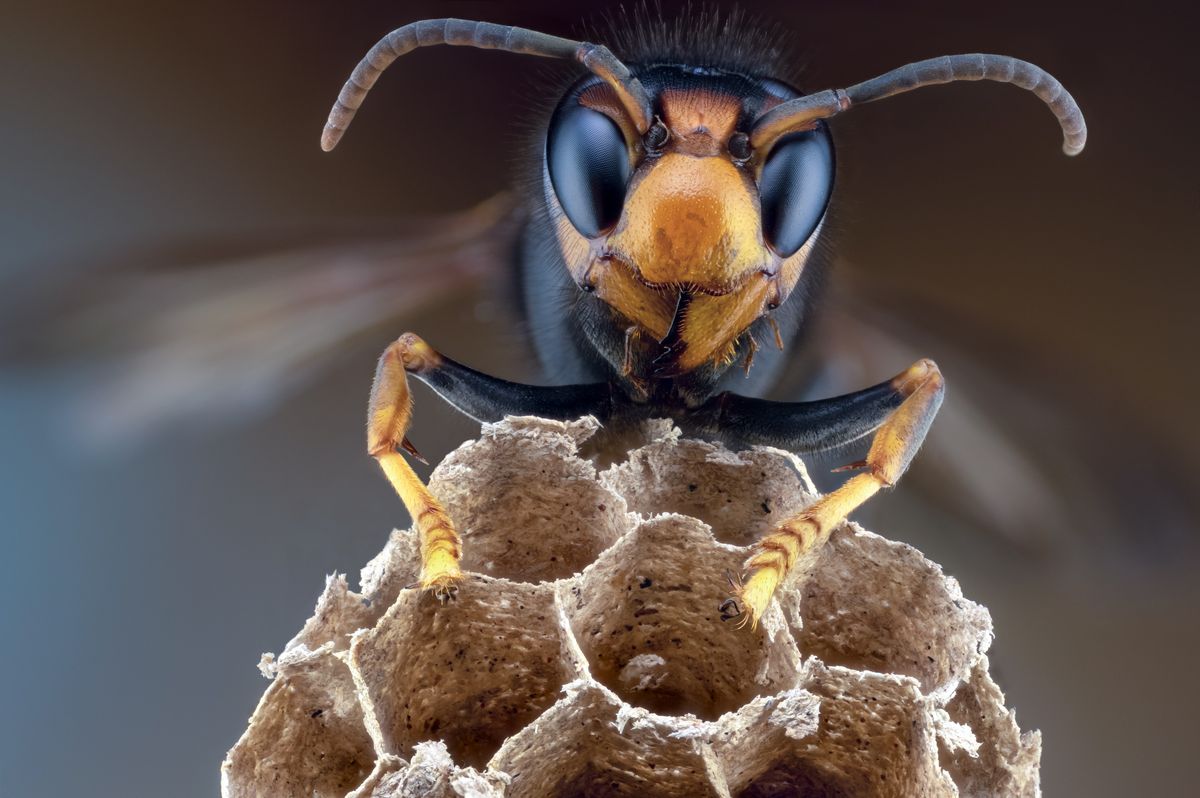
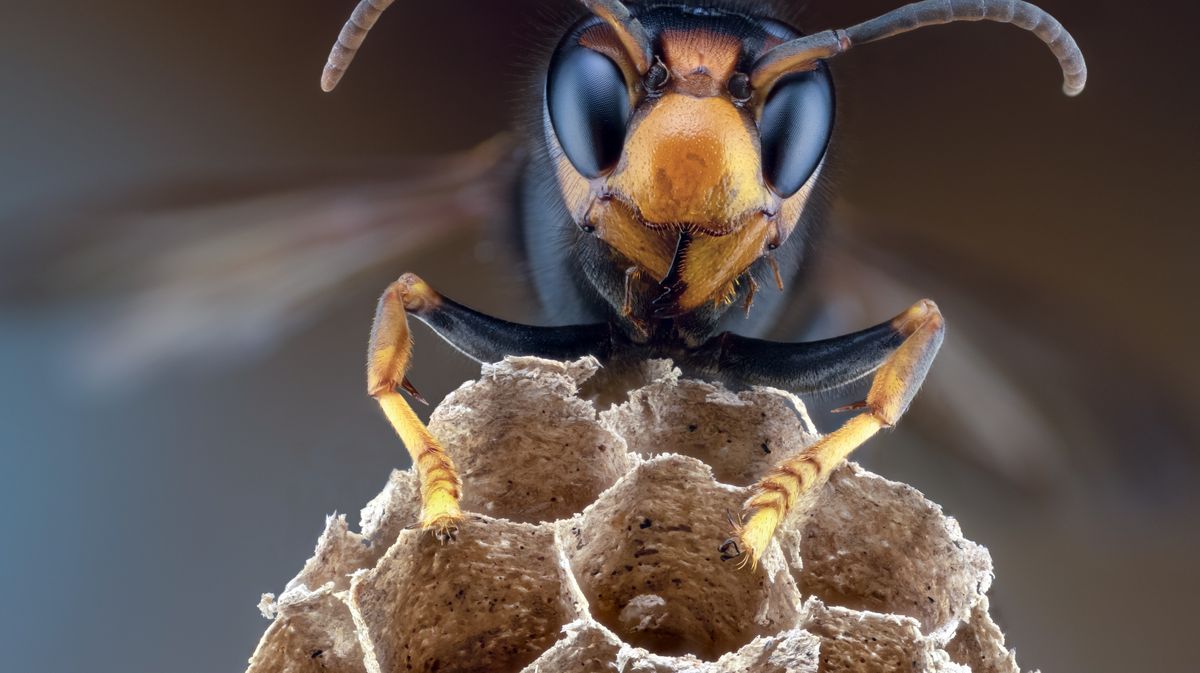
avispa asiática (asian hornet)
Invasive species like Asian hornets are having a “huge impact on Ireland” as the public is urged to help stamp out pesky bugs and plants.
Junior Minister Christopher O’Sullivan, who has responsibility for nature and biodiversity, today launched Invasive Species Week 2026.
He is calling on “keen-eyed members of the public” to alert the National Biodiversity Data Centre (NBDC) to any sightings of bugs, animals or plants that could be a danger to Irish nature.
Invasive species are one of the most severe threats to Ireland’s biodiversity, with their distribution threatening food security and human health, according to the NBDC.
Examples found in Ireland include plants like Rhododendron Ponticum, Himalayan Balsam, Japanese Knotweed and animals like the Asian Clam, Zebra Mussel and Asian Hornet.
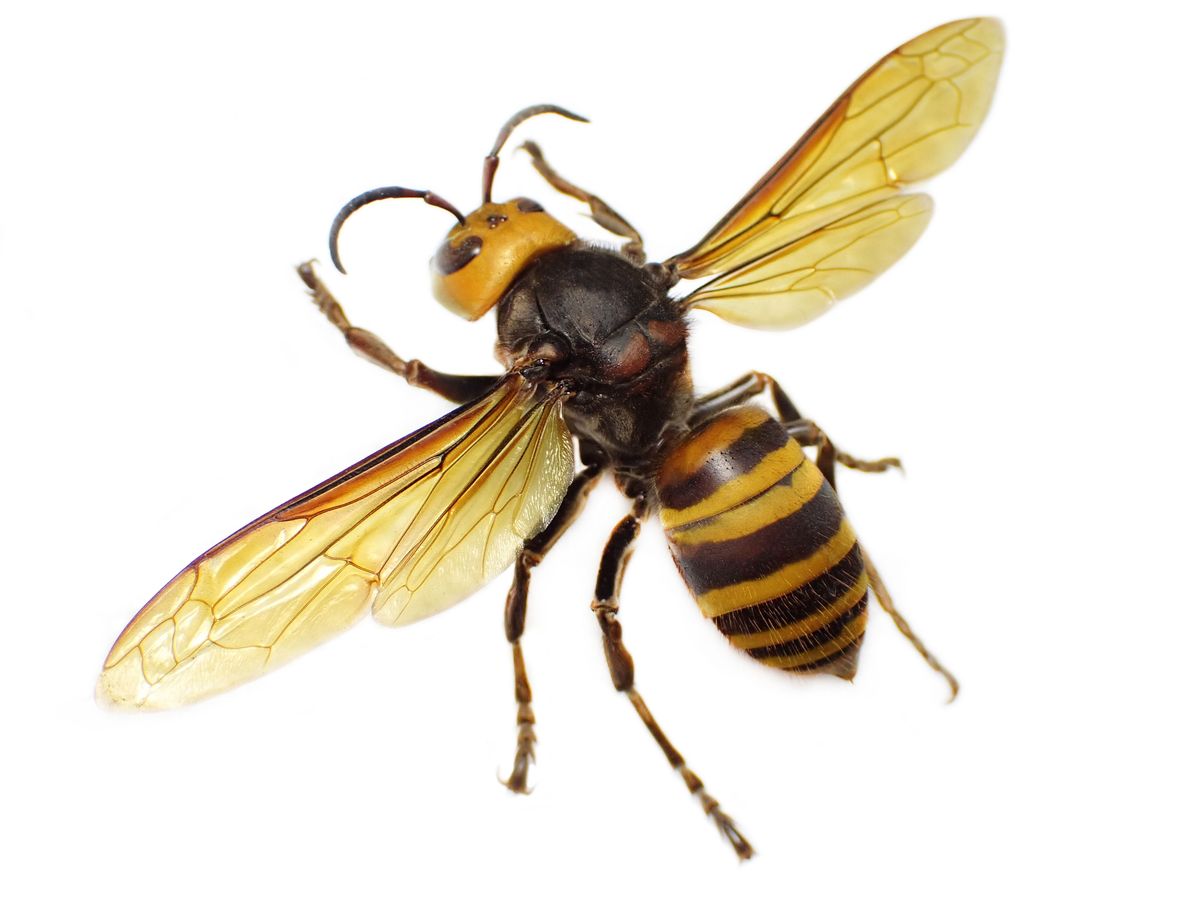
The Giant Asian Hornet (Vespa mandarinia) also know as Murder Hornet in white background. Vespa gigante asiática ou Vespa Assassina em um fundo branco.
These species massively disrupt ecosystems by out-competing native wildlife for resources, altering physical habitats, introducing sometimes fatal diseases and mating with native species which dilutes their genetic makeup.
Japanese Knotweed is considered one of the most problematic invasive plants because it grows aggressively in the wild, blocking sunlight and absorbing soil nutrients, which deprives native flora.
But beekeepers are particularly concerned about the Asian hornet. While the first live specimen was discovered here in 2021, the first fully established nests were identified on the island last year.
These hornets feed on bees and wasps, and can have a devastating impact on local colonies. They also lack natural predators in Ireland and across Europe, meaning they can rapidly populate and decimate native insects.
Ireland was issued a biodiversity alert last year when two Asian hornets were discovered and captured in Cork.
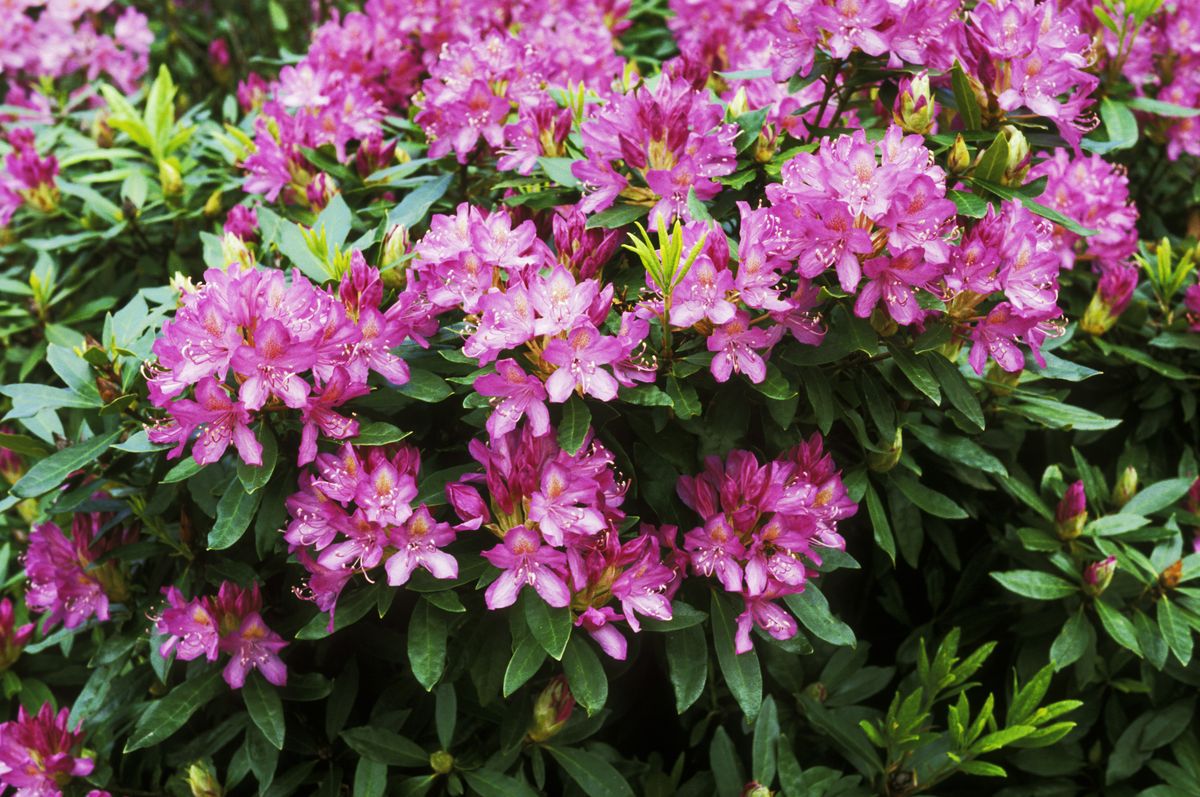
rhododendron ponticum in flower
This triggered a Government-led response, establishing a new taskforce called the Asian Hornet Management Group (AHMG).
The AHMG is chaired by the NPWS and includes the Department of Agriculture Food and the Marine, the National Biodiversity Data Centre and the National Museum of Ireland.
The nests in Cork were sighted by members of the public and reported to the NBDC, as Minister O’Sullivan encourages everyone to keep an eye out for these pesky hornets and other dangerous species.
Asian hornets have an overall dark body, a wide orange stripe on their lower abdomen and bright yellow-tipped legs. They are significantly larger than the standard bees we see here, and don’t have fuzzy bodies.
Minister O’Sullivan issued the warning today saying invasive species like the Asian hornet “are one of the leading drivers of biodiversity loss globally, and they’re having a huge impact in Ireland too”.
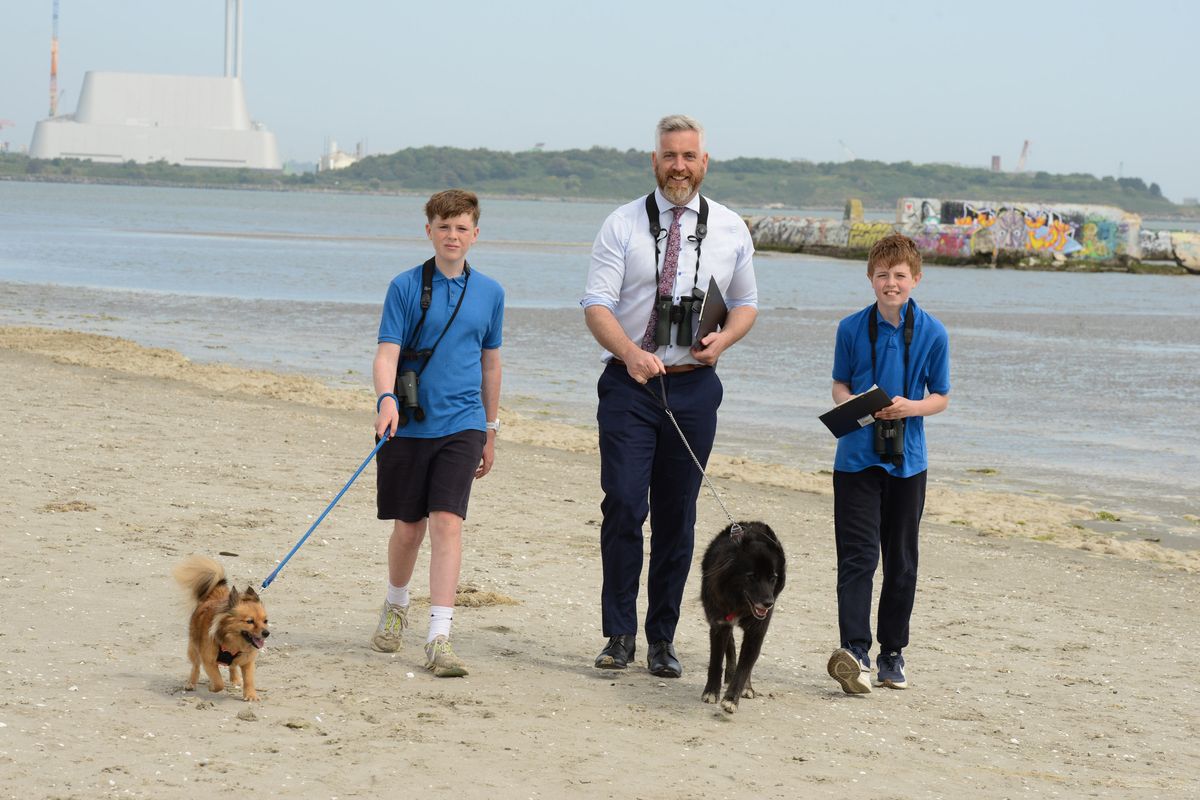
Minister of State for Nature, Heritage and Biodiversity, Christopher OSullivan TD
He added: “To tackle the problem, the National Parks and Wildlife Service, along with local authorities, individual landowners and community groups, are doing amazing work to remove and control them all across the country. But they need your help!
“Keen-eyed members of the public can play a really important role in the fight against invasive species, not only by taking part in initiatives in their own local areas, but also by sharing sightings with the National Biodiversity Data Centre. Early warnings are vital in stopping these destructive plants and animals from getting a foothold in a habitat.”
As part of Invasive Species Week, the Government is encouraging everyone to visit invasives.ie to get familiar with what these plants and bugs look like.
The website also has a form where anyone can report a potential invasive species sighting, and it will be investigated.
The Biodiversity Minister continued: “Noticing invasives is the first step to controlling them, so if you’re spending time in nature this summer, familiarise yourself with what these species look like, be vigilant when you’re out and about, and use your phone to take a photo and report any sightings.”
Invasive species week is a collaboration between organisations across Ireland, the UK, Isle of Man, Jersey and Guernsey to raise awareness on invasive species and actions to prevent their spread.
Events include information talks, guided walks, exhibitions and displays.
Subscribe to our newsletter for the latest news from the Irish Mirror direct to your inbox: Sign up here