
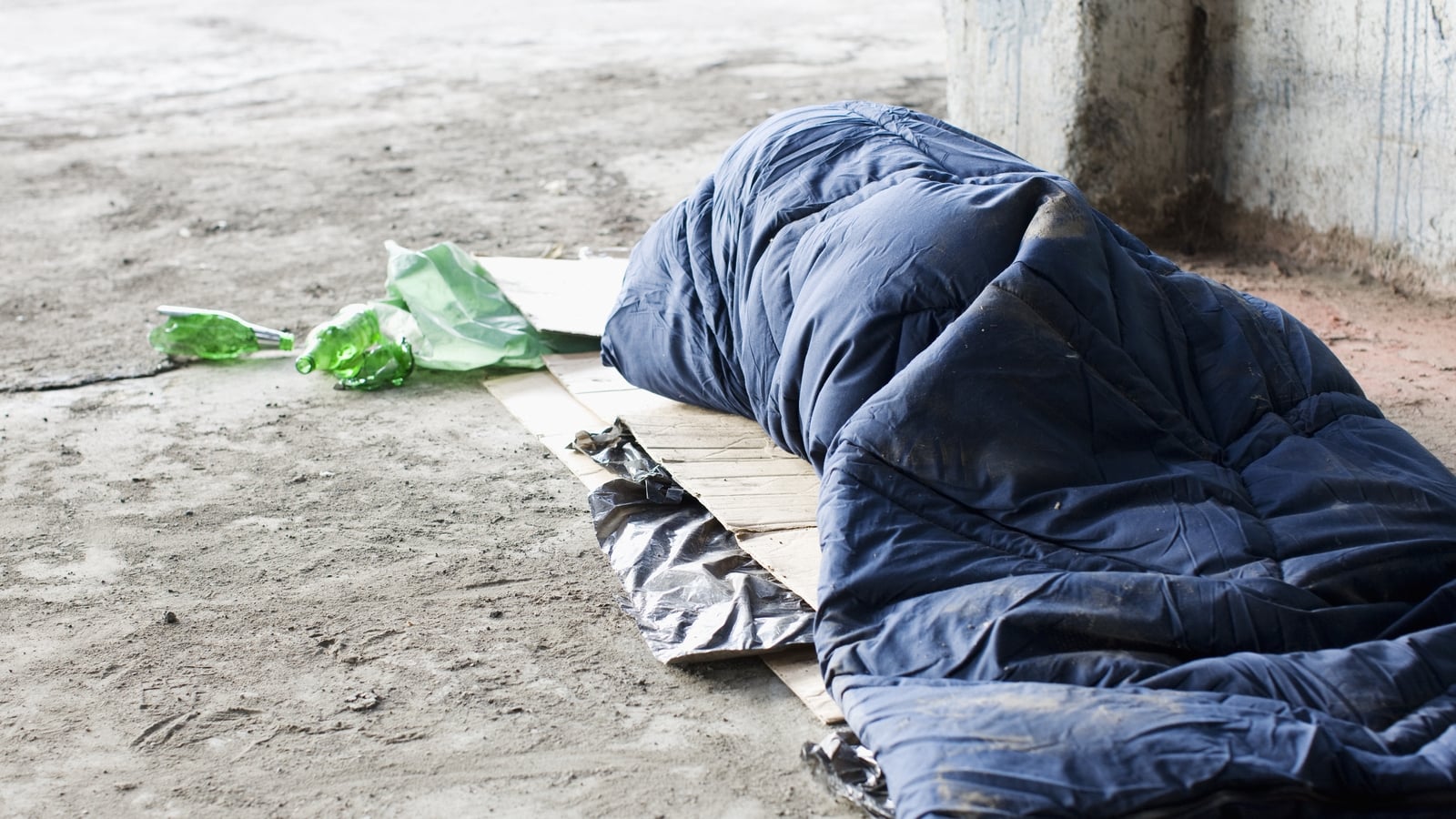
Two reports released by Focus Ireland provide “one of the clearest pictures of the scale and nature of homelessness” in Ireland’s two largest urban areas, according to the homeless charity.
They are based on findings from the European Homelessness Count, a major EU-funded research project which aims to compare the extent and nature of homelessness in a number of European cities, including Dublin and Cork.
Focus Ireland, with the support of Trinity College Dublin led the Irish dimension of this work, in collaboration with Cork City Council and Dublin City Council.
The research uses a six-category framework to standardise the statistical measurement of homelessness across Europe, known as ETHOS Light.
This measurement is designed to capture not just people sleeping rough, but also those in temporary, inadequate or insecure living situations.
It found that 8,510 adults were experiencing homelessness in Dublin across ETHOS Light categories one to three in 2025, up from 7,647 in 2024, an increase of 11.3%.
In Cork, the count rose from 544 to 692, an increase of 27.2% in a year.
According to Focus Ireland, the study represents the first systematic attempt to measure “hidden homelessness” by trying to include people about to be discharged from institutions but with no place to go, people living in non-conventional dwellings, and people using homeless day services but staying with family or friends (Technically referred to as ETHOS Light categories four to six).
While this element of the data is described as “experimental” and does not claim to fully identify everyone in these situations, it identified 1,249 adults in these circumstances in Dublin.
Read more: ‘Major concern’ over pace of child, family homelessness, says watchdog
A key finding is that while the overall level of homelessness (i.e. people in shelters and rough sleeping) in Dublin and Cork is among the highest in the 35 European cities involved (second and sixth), both cities have among the lowest proportion of the homeless population who are forced to sleep rough.
However, Focus Ireland has reiterated the limitations in comparing the data in this regard.
In Dublin in 2025, the count found 190 adults in a public space, compared with 8,320 adults in homeless or temporary accommodation.
In Cork, 36 adults were counted in a public space, compared with 640 in homeless or temporary accommodation.
The research also shows that both Dublin and Cork have among the lowest proportion of people over 65 in their homeless populations, which has been welcomed.
Another finding is that the number of homeless non-Irish citizens in Dublin and Cork is in the middle of the range of non-nationals in other cities and is substantially higher in many Central and Eastern European Countries.
Director of Advocacy at Focus Ireland Mike Allen said too much of the debate around homelessness focuses on the monthly emergency accommodation figures or what people see on the street.
“What these reports show is that homelessness is broader, more complex and more deeply embedded than many people realise,” he said.
“The point here is not to argue that homelessness is a bigger problem than we think – it is big enough already – the point is that if we understand how people move from invisible forms of homelessness into emergency accommodation and out again, we are better able to prevent homelessness, reduce it and ultimately solve it.”