
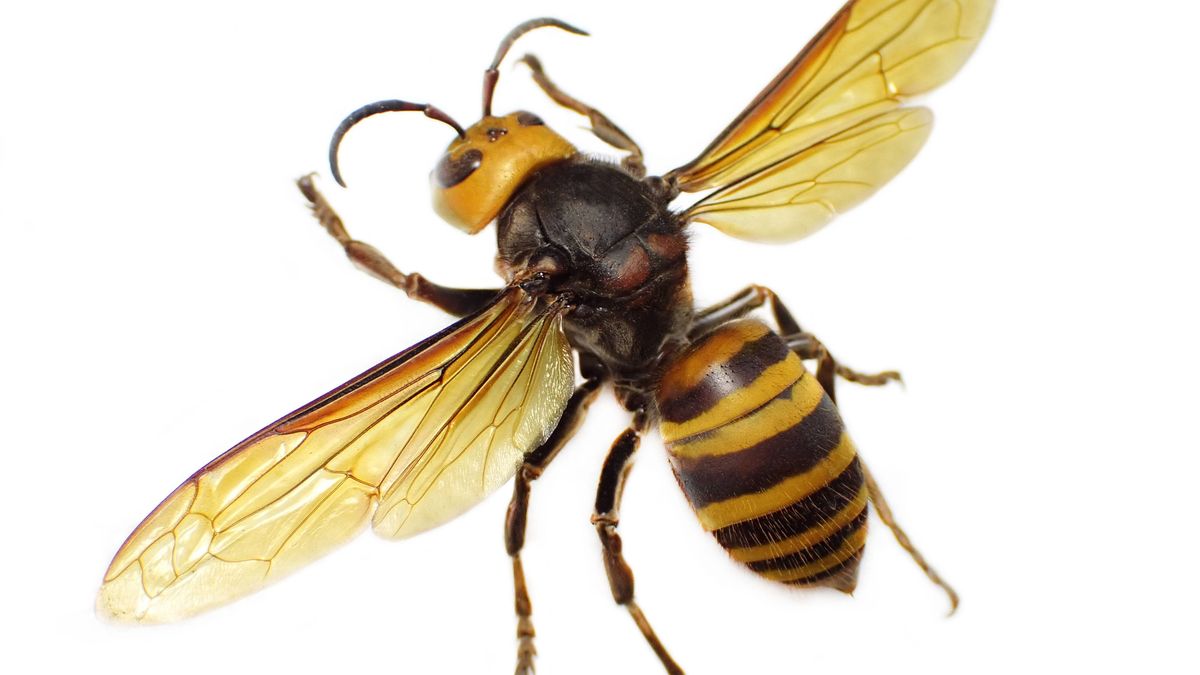
The public is being urged to help stamp out invasive species like Asian hornets and Japanese Knotweed, which are having a “huge impact” on Ireland’s biodiversity, as Invasive Species Week 2026 launches
08:31, 22 Jun 2026Updated 08:38, 22 Jun 2026
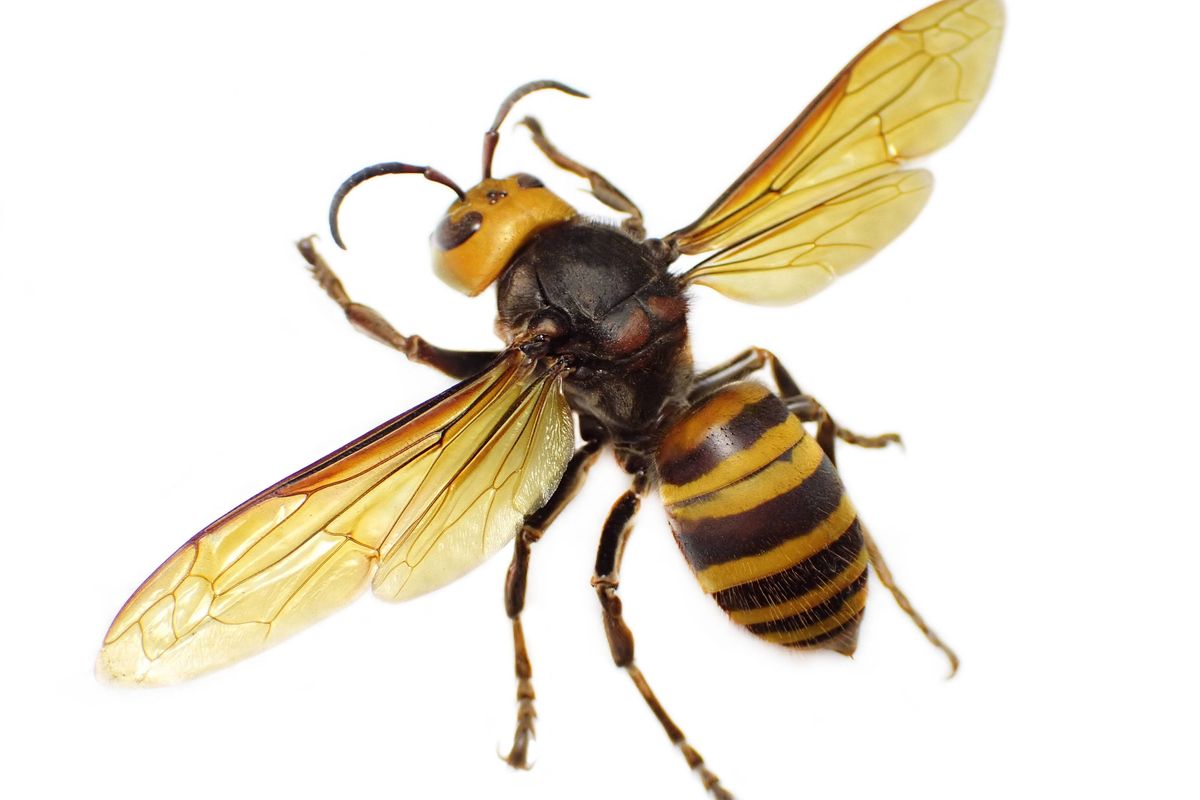
The Giant Asian Hornet (Vespa mandarinia) also know as Murder Hornet
Non-native species such as Asian hornets are causing a “huge impact on Ireland” as residents are encouraged to assist in eradicating troublesome insects and vegetation.
Junior Minister Christopher O’Sullivan, responsible for nature and biodiversity matters, today unveiled Invasive Species Week 2026. He’s appealing to “keen-eyed members of the public” to notify the National Biodiversity Data Centre (NBDC) about any observations of insects, creatures or vegetation that might pose a risk to Irish wildlife.
Non-native species represent one of the gravest dangers to Ireland’s biodiversity, with their spread threatening food supplies and public health, the NBDC warns. Specimens discovered in Ireland include vegetation like Rhododendron Ponticum, Himalayan Balsam, Japanese Knotweed and creatures like the Asian Clam, Zebra Mussel and Asian Hornet, reports the Irish Mirror.
These organisms severely disrupt natural environments by outcompeting indigenous wildlife for resources, transforming physical surroundings, spreading potentially deadly illnesses and breeding with indigenous species which weakens their genetic composition. Japanese Knotweed is regarded as amongst the most troublesome invasive vegetation because it spreads aggressively in natural settings, preventing sunlight and depleting soil nutrients, which starves indigenous plant life.
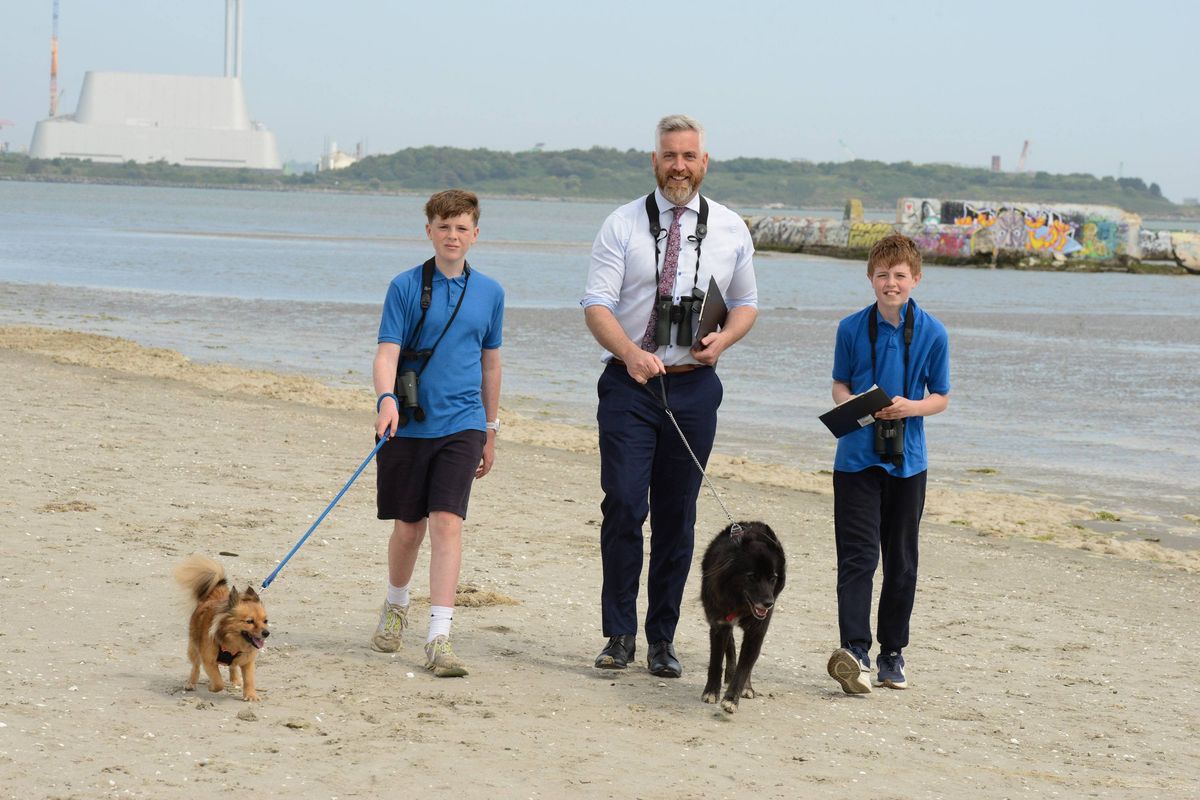
Minister of State for Nature, Heritage and Biodiversity, Christopher OSullivan TD
However, beekeepers are especially worried about the Asian hornet. While the first living example was found here in 2021, the first fully developed nests were located on the island last year.
These hornets prey on bees and wasps, and can wreak havoc on local colonies. They also have no natural predators in Ireland or across Europe, which means they can spread rapidly and devastate native insect populations.
Ireland was placed on a biodiversity alert last year when two Asian hornets were discovered and captured in Cork. This prompted a Government-led response, establishing a new taskforce known as the Asian Hornet Management Group (AHMG).
The AHMG is chaired by the NPWS and comprises the Department of Agriculture Food and the Marine, the National Biodiversity Data Centre and the National Museum of Ireland. The nests in Cork were spotted by members of the public and reported to the NBDC, as Minister O’Sullivan urges everyone to remain vigilant for these troublesome hornets and other hazardous species.
Asian hornets have an entirely dark body, a broad orange stripe on their lower abdomen and distinctly yellow-tipped legs. They are considerably larger than the typical bees we encounter here, and do not have fuzzy bodies.
Minister O’Sullivan issued the warning today, stating that invasive species such as the Asian hornet “are one of the leading drivers of biodiversity loss globally, and they’re having a huge impact in Ireland too”.
He added: “To tackle the problem, the National Parks and Wildlife Service, along with local authorities, individual landowners and community groups, are doing amazing work to remove and control them all across the country. But they need your help!
“Keen-eyed members of the public can play a really important role in the fight against invasive species, not only by taking part in initiatives in their own local areas, but also by sharing sightings with the National Biodiversity Data Centre. Early warnings are vital in stopping these destructive plants and animals from getting a foothold in a habitat.”
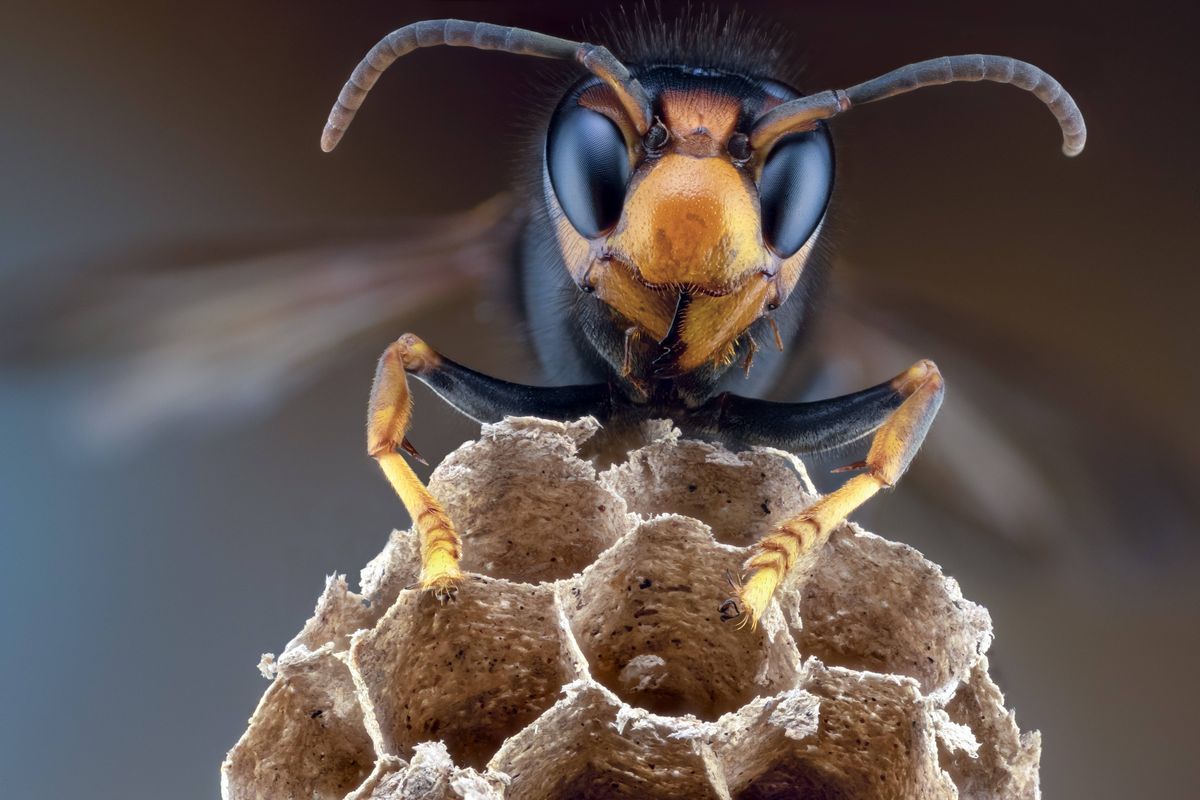
avispa asiática (asian hornet)
During Invasive Species Week, the Government is urging everybody to check out invasives.ie to become acquainted with what these plants and insects resemble.
The website also features a form where anybody can flag a potential invasive species observation, and it will be examined.
The Biodiversity Minister added: “Noticing invasives is the first step to controlling them, so if you’re spending time in nature this summer, familiarise yourself with what these species look like, be vigilant when you’re out and about, and use your phone to take a photo and report any sightings.”
Invasive Species Week represents a partnership between organisations throughout Ireland, the UK, Isle of Man, Jersey and Guernsey to boost awareness about invasive species and measures to halt their proliferation.
Activities include information talks, guided walks, exhibitions and displays.
Want to see more of the stories you love from Dublin Live? Making us your preferred source on Google means you’ll get more of our exclusives, top stories and must-read content straight away. To add Dublin Live as a preferred source, simply click here.
Join our Dublin Live breaking news service on WhatsApp. Click this link to receive your daily dose of Dublin Live content.
We also treat our community members to special offers, promotions, and adverts from us and our partners. If you don’t like our community, you can check out any time you like. If you’re curious, you can read our Privacy Notice