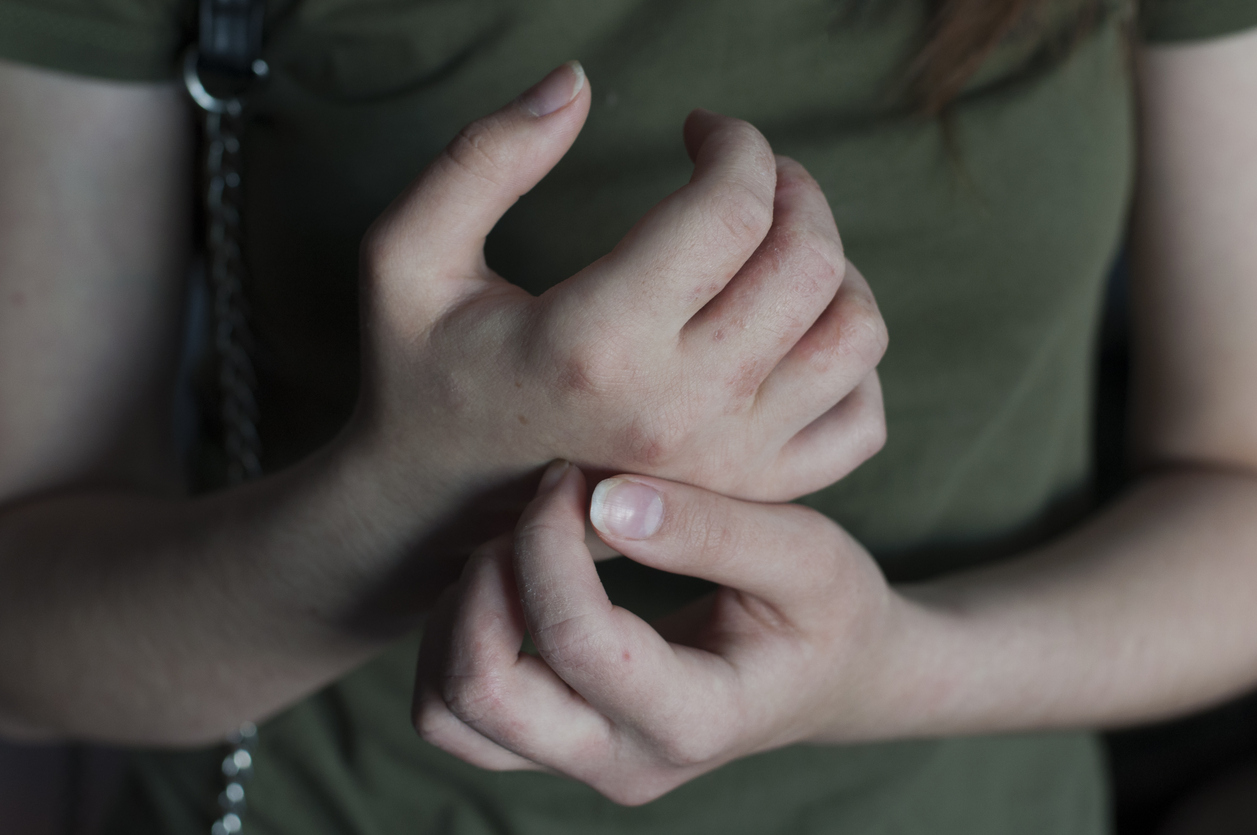
Chronic hand eczema (CHE) disrupts working lives and school days, with many patients reporting sick leave from work and worsening of symptoms during everyday activities.
These are among the main findings from the DELTA FORCE and DELTA TEEN Phase 3 studies presented at the European Society of Contact Dermatitis (ESCD) Congress 2026 in Copenhagen, Denmark.
In the DELTA FORCE Phase 3 study of adults with severe CHE, around one in four patients reported related sick leave from work in the previous 12 months, and almost one in three patients reported worsening of symptoms while at work.
Patient-reported outcomes from DELTA FORCE further demonstrated greater improvements in self-rated work productivity and daily activities in patients treated with topical delgocitinib (Anzupgo, Leo Pharma) compared with patients treated with oral alitretinoin. Improvements were accompanied by greater gains in quality of life, measured using generic (EQ-5D-5L), dermatology specific (DLQI) and CHE specific (HEIS) instruments, the study showed.
“Chronic hand eczema is much more than a disease, it is a societal challenge indeed due to the importance of the hands in daily life activities,” says Lead Author of the DELTA FORCE poster Andrea Bauer, MD, MPH, a Consultant Dermatologist serving as the Head of the University Allergy Centre (UAC) at the University Hospital Carl Gustav Carus Dresden, which is part of the Technische Universität (TU) Dresden in Dresden, Germany, in a news release. “When people with chronic hand eczema are unable to work or struggle to remain productive, the impact extends beyond the individual to workplaces and society as a whole. These findings underline the importance of continuing to explore treatment approaches that not only address symptoms but also help people with CHE maintain their ability to work and function in everyday life.”
CHE Also Negatively Impacts Teens’ Academic Performance
Baseline data from the DELTA TEEN Phase 3 study in adolescents with moderate-to-severe CHE show a substantial disease burden in adolescence, with persistent symptoms and a clear impact on school life and daily activities.
The study was simultaneously published in The Lancet Child & Adolescent Health.
The new data highlight that chronic hand eczema can affect more than school attendance, with a notable impact on schoolwork, participation in school activities and everyday functioning during a vulnerable phase of adolescents’ development. The findings also show that current standard-of-care treatments were associated with limited success.