
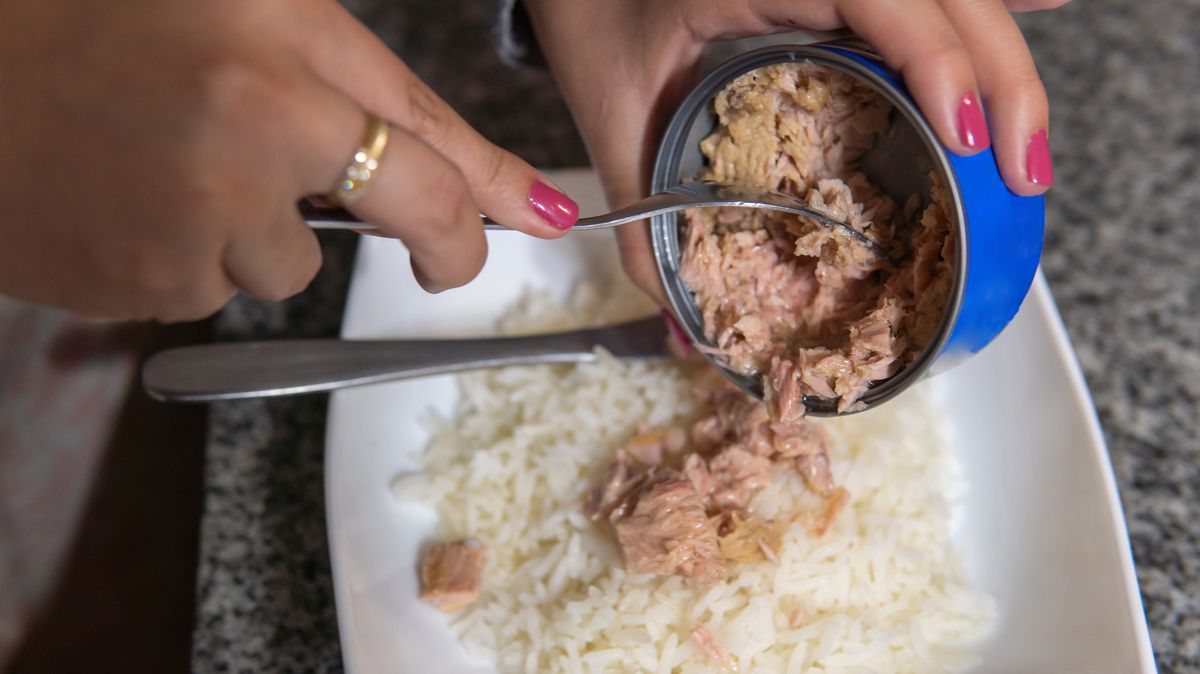
Experts are urging households to stop pouring tinned tuna liquid, cooking oils and other greasy food waste down the sink.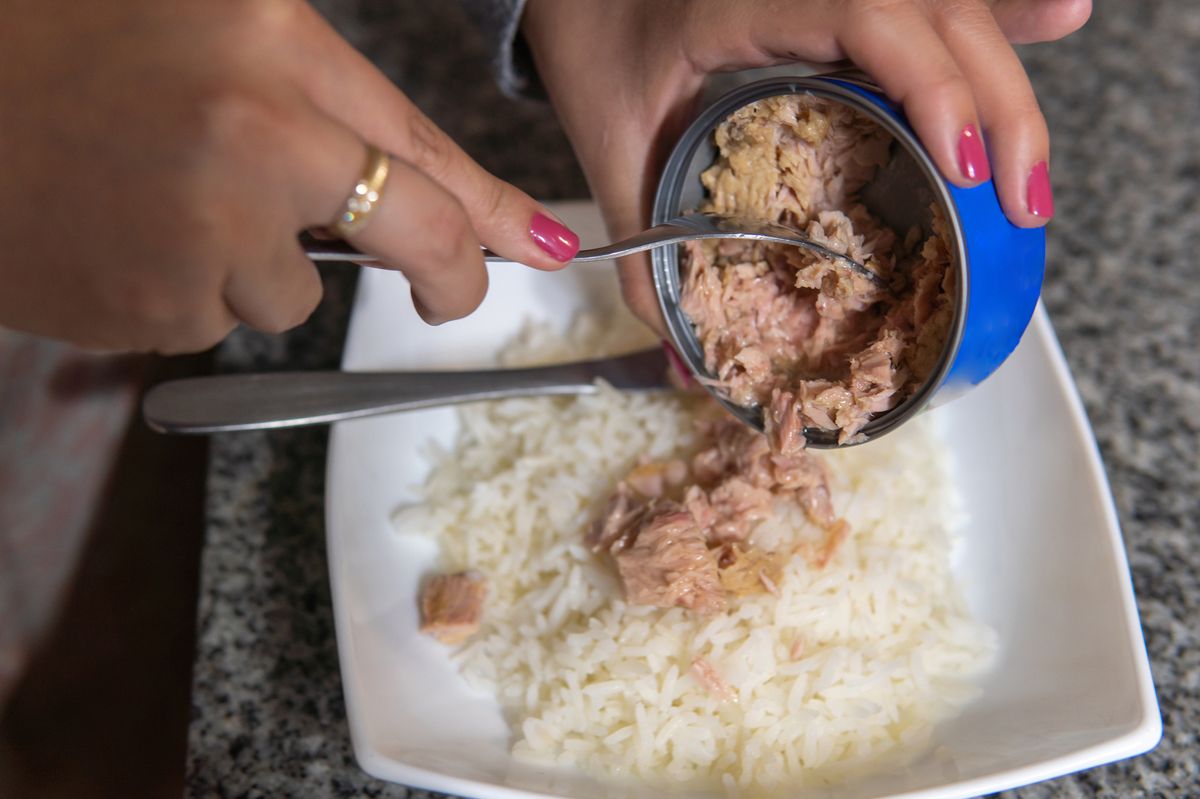
Tuna(Image: Getty Images)
If you’re in the habit of draining the liquid from a tin of tuna down the sick, you might want to think again.
It may seem completely harmless, but experts are warning that this everyday kitchen habit could end up causing blocked drains, expensive plumbing bills and even contribute to high ‘fatbergs’ forming in sewer systems.
Many people know not to pour leftover cooking oil down the sink, but few realise that the oil and fat found in foods like tinned tuna can cause similar problems over time.
DIY expert and BBC presenter Nick Knowles has urged households to stop pouring oils and greasy food waste down the drain, explaining that even small amounts can build up inside pipes.
Speaking on Morning Live on Friday, he said: “Don’t pour your oils down the sink. I mean, most people know not to pour oils down your sink in the bathroom or in your kitchen now.
“But actually, most of us will drain a tin of tuna into the sink. With the oil that’s in a tin of tuna, or maybe the fat from an air fryer, or coffee grounds, all these things, add to create a block.”
The warning comes as experts continue to highlight the growing problem of fatbergs – huge masses of fat, oil, grease and rubbish that build up inside sewer networks.
These giant blockages can restrict the flow of wastewater, increasing the risk of blocked drains, sewage overflows and costly repair work.
Instead of pouring oily liquids down the sink, experts recommend letting them cool before soaking them up with kitchen paper and placing it in the bin. Larger amounts can be poured into a container or empty tin before being disposed of with household waste.
Nick explained: “Like a baked bean tin or anything else that you’re throwing, and put them in the bin and get rid of them that way.”
He also advised people to avoid washing food grease, coffee grounds and leftover food scraps down the sink, as they can all contribute to blockages.
He added that certain household items should never be flushed down the toilet either, including wet wipes, cotton buds and nappies, as these are among the biggest causes of sewer blockages.
Nick said: “Wet wipes in particular… All the governments, England, Ireland, Scotland, Wales, and Northern Ireland, are going to be stopping the use of plastics in wet wipes, which will actually be a major boon in terms of stopping that happening.”
There are also several warning signs that could indicate your drains are becoming blocked. These include:
slow drainingodoursgurgling noisespooling water by manholes
If you notice any of these signs, it’s worth getting the problem checked before it develops into a more serious blockage.
To illustrate just how big fatbergs can become, Nick revealed: “In cities, you can go on tours and walk through the drains. A fatberg found near Terminal Five at Heathrow was the size of 700 suitcases, or the equivalent of five football pitches.”
Content cannot be displayed without consent
Subscribe to our newsletter for the latest news from the Irish Mirror direct to your inbox: Sign up here.