
Grief is an unavoidable part of the human experience, and is a natural response to loss. While grief itself can be painful, consuming us with feelings of sadness and longing, these feelings gradually fade as we adjust to life without our loved one. Those painful feelings no longer shadow the joyful memories, and we can cherish our loved one’s legacy with a deeper sense of peace, despite still missing their presence in our lives.
But for some, grief persists for six months or more, and mourning is intense and long-lasting. This prolonged grief can prevent us from resuming normal life activities, consuming us in a fog of depression.
Complicated grief, sometimes called persistent complex bereavement disorder, is more likely to occur in response to tragic, unexpected, traumatic losses. A loved one’s death may seem sudden, violent, or preventable, consuming us in “what if” ruminations. Other factors that contribute to complicated grief include a lack of social support and difficulty accepting the finality of the loss (Mayo Clinic, 2022; Szuhany et al., 2021).
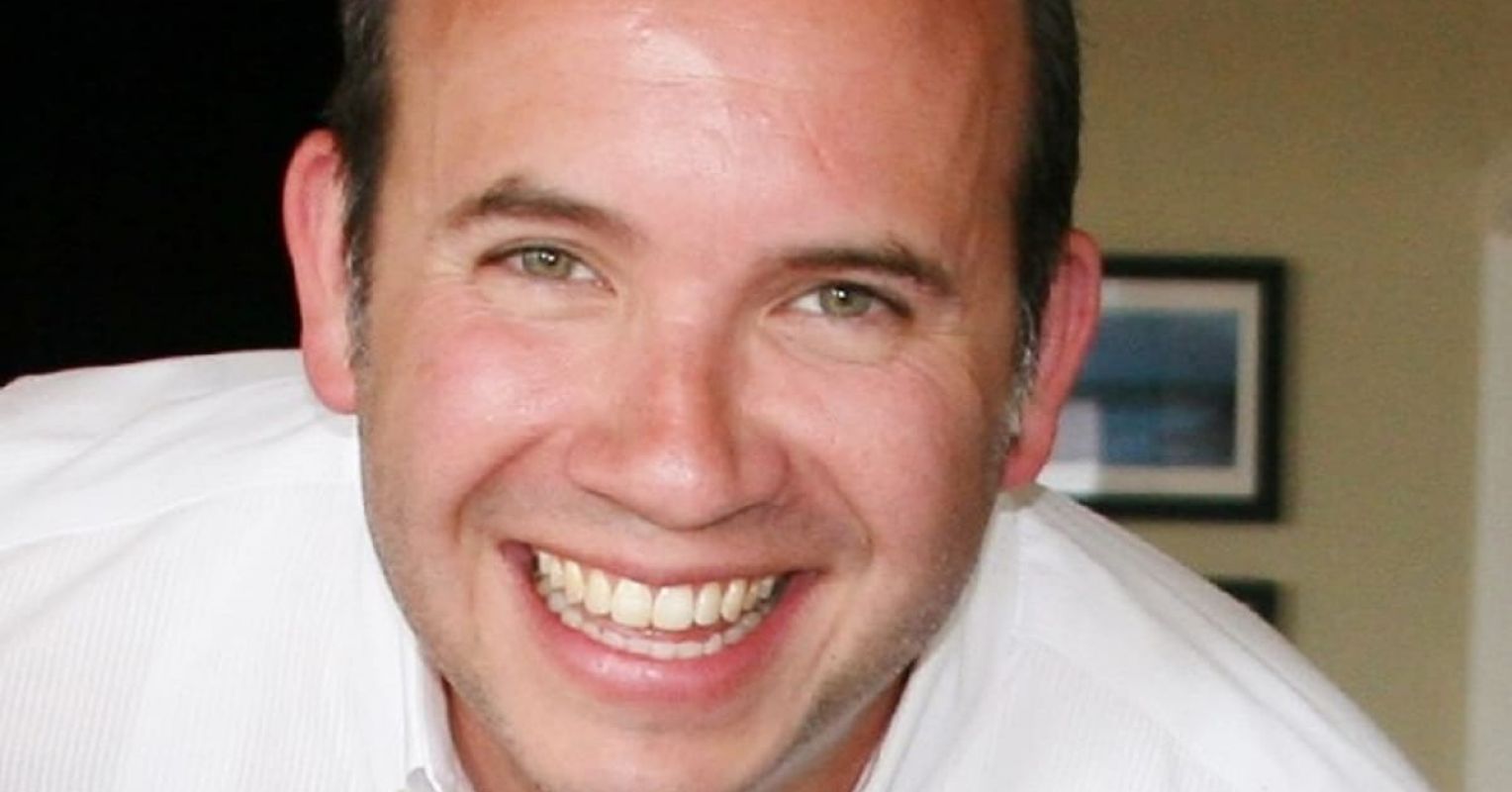
Author Ethan Joella explores the complexities of grief in his latest novel, The Top of the World, a moving story about the love between siblings and how death doesn’t have to be the end of our life’s most important relationships.
Q: Share a bit about your background and what inspired you to write The Top of the World.
Ethan Joella: I teach English and psychology at University of Delaware, and I grew up not far from the Poconos. Many of my relatives or friends’ parents honeymooned there, and a few years ago I became captivated by videos and photos of so many of these once-grand resorts now in ruins.
I kept imagining what might have happened at those places in their heyday, who would have worked there, and how the guests might remember their time there.
I thought at first I was writing a present-day story about a resort in decline, but when the characters started to develop, especially the owner of my fictional Red Maple Inn, I really wanted to show the resort in its prime, which led to the 1970s setting. I also loved the idea of a dual narrative, a brother-sister story that flips back and forth, which helped the setting and the characters come together in an interesting way.
Q: In your novel, how did Chip’s decision to leave home for a few months after receiving a devastating diagnosis complicate his sister Maggie’s grief?
Ethan Joella: I think complicate is such a perfect word here. Maggie’s grief comes with many complications. First, it’s hard enough to lose a grandparent or parent, but we are in some ways conditioned to face those inevitabilities. We don’t think about losing siblings in the same way, because they are alongside us on this journey, virtually from the beginning.
Chip is Maggie’s only sibling. They are only a year apart, so they basically went through life in lockstep. But it’s also complicated because Chip chose to leave home for a while, to make the most of his days before he is too ill. By the time he returns home, his health has declined, and their time together is limited. By not telling his family where he went for the summer, he leaves them with a mystery. I think uncovering his time at Red Maple gives Maggie something to care about and focus on, which is a helpful way to cope with grief.
Q: How does Maggie’s journey retracing her brother’s steps offer insight into her brother’s final days, and healing from her grief?
Ethan Joella: Maggie’s going to Red Maple, where Chip was the summer before, is in line with what their lives have been like, being only a year apart in age. He has always done everything first, and then she has followed: having the same teachers in school, getting braces, getting their driver’s licenses. So even when Chip is gone, Maggie still follows his experiences. That familiarity becomes something she understands in the midst of so much she can’t understand.
The whole world of The Red Maple is so new to her, and being able to focus on understanding who is who and how the place works gives her a relief from her pain. Seeing how well-loved her brother was, how they gave him the gift of just feeling like a regular guy with a summer job—I think all this helps her understand how brave and precious her brother was.
Q: What do you hope readers take away from spending time with The Top of the World?
Ethan Joella: I remember being asked a similar question when my first book, A Little Hope, was published. My answer was “I hope the book makes readers value the people who are alongside them and look for small moments of happiness and beauty in the everyday.” I think this is what I want for readers of all of my books: to pause and reflect on where we are, and who we are with, and what this all means.