
“This is exactly what we needed” was the enthusiastic response from a Government backbencher at Leinster House earlier when asked about the proposed new rural planning guidelines unveiled by Ministers today.
“Planning permission in rural areas and the inconsistent approach to it is one of the main issues that is raised regularly,” the TD opined.
He was happy he would have some good news to give to constituents who have been prevented from building in their homeplace for years.
Some Opposition TDs took a similar view – even if this is a Government policy departure which their instinct is to oppose and there remains concerns about the sustainability of opening up rural housing planning in this way.
The aim of the draft National Planning Statement is to provide more consistency around rural housing. So what exactly is proposed?
Consistency
Firstly, the new guidelines are set out as National Planning Policies and will bring consistency in the approach to rural and Gaeltacht planning across the country. It will end the “postcode lottery” where an applications succeeds in one area but is rejected in another.
Local authorities are by law required to ensure all local development plans, planning schemes and regional strategies adhere to the policies once they are signed off on by the Government.
Implementation timeline
Although unveiled today the new guidelines will not be immediately implemented.
Firstly they will be subject to environmental assessment under relevant EU directives and an associated public consultation – a process that will take a number of months. After that they will get final approval by the Government which is expected by year end.
Housing need
Key to the new guidelines will be an individual’s ability to demonstrate “a local economic or a local social” need.
The guidelines make it clear that the criteria to assess that “need” will be uniform across all counties, unlike the current situation where planning rules can vary from local authority to local authority.
What is an economic need?
Under the guidelines, economic need for a house in a rural location is closely linked to employment.
A person whose primary work, whether full time or part-time is “directly related” to a rural location close to their place of work qualifies, as does a person involved with working farms or rural enterprises.
Teachers and other local workers will be able to demonstrate an “economic need” too although a person who is remotely working in a job not related to the rural area will not be covered.
Applicants must not have previously constructed a home in the rural area, and they must intend to occupy the house as “a permanent and primary residence”.
What is a social need?
A social need for a house at a particular rural location can be demonstrated by a person who is living in, or has lived in, a rural area for a substantial period of time and who has close social ties or local connections to the area.
The substantial period of time is a period of at least seven years. The applicant must have spent those years living within 10kms of the site of the proposed dwelling.
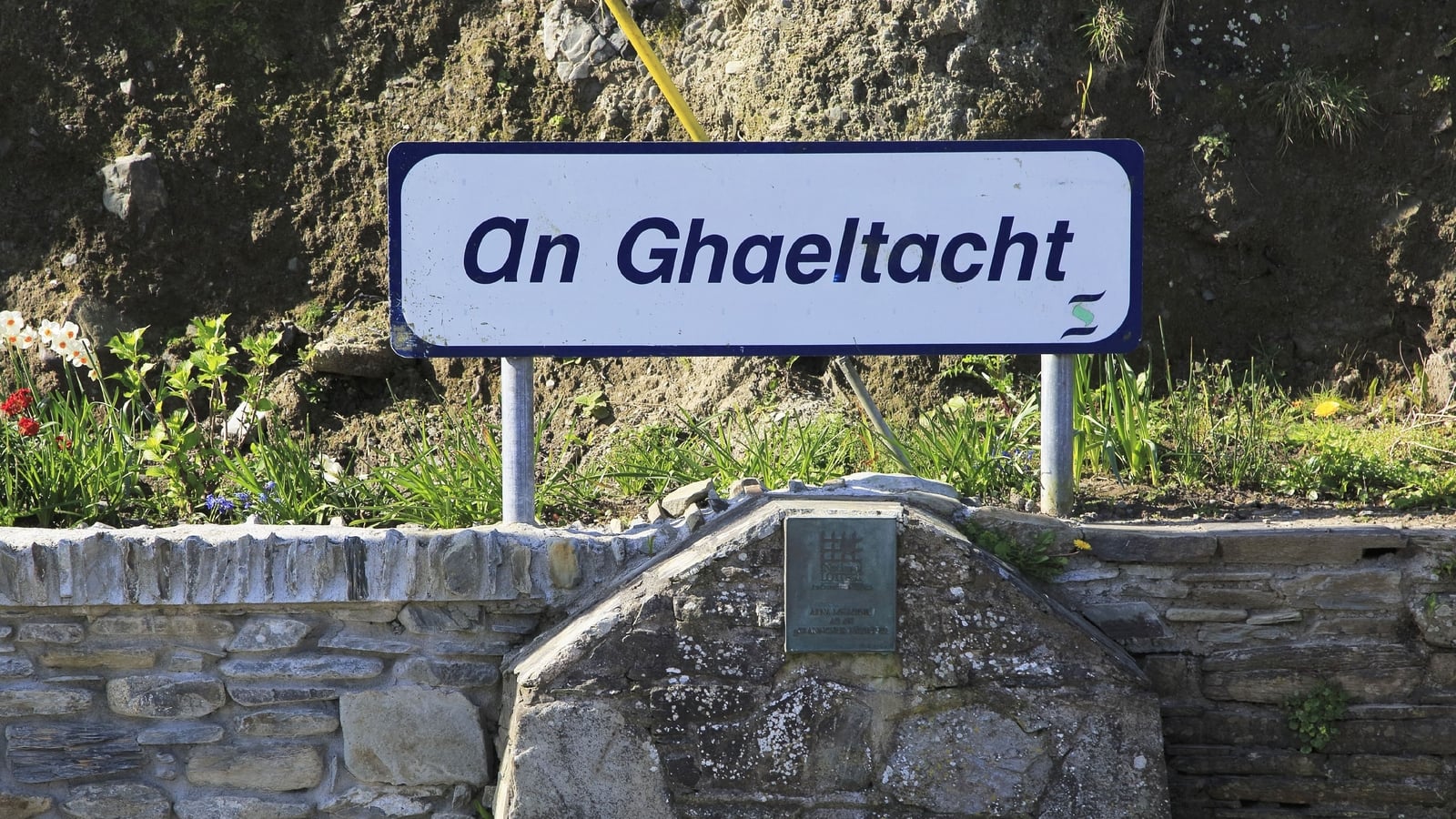
Gaeltacht areas
According to the new rules, planning authorities may apply “a level of flexibility in their assessment of the local social need criteria in order to promote and protect the linguistic heritage of the Gaeltacht”.
An applicant seeking to build in a Gaeltacht area must show they are living or have lived in the area for 10 years but in the case of Irish speakers, five years is the threshold.
The site they wish to build on must be within 3kms of where they have lived.
To assess a person’s ability to speak Irish, local authorities may use a standardised language competency test.
As a further boost to Irish speakers and to support Irish language speaking areas, people moving from one Gaeltacht area to another will also be treated as fulfilling local need criteria.
Planning conditions
If an applicant satisfies the local and economic needs criteria, it does not automatically lead to granting of planning permission.
Applications will still have to comply with all other planning requirements including environmental impact, height, location and distance from flood plains.
In addition, in order to prevent housing built under the new guidelines from ending up in the short-term lettings market, grants of permission will specify the new buildings will be used as permanent primary residences by the applicants for at least 10 years.