
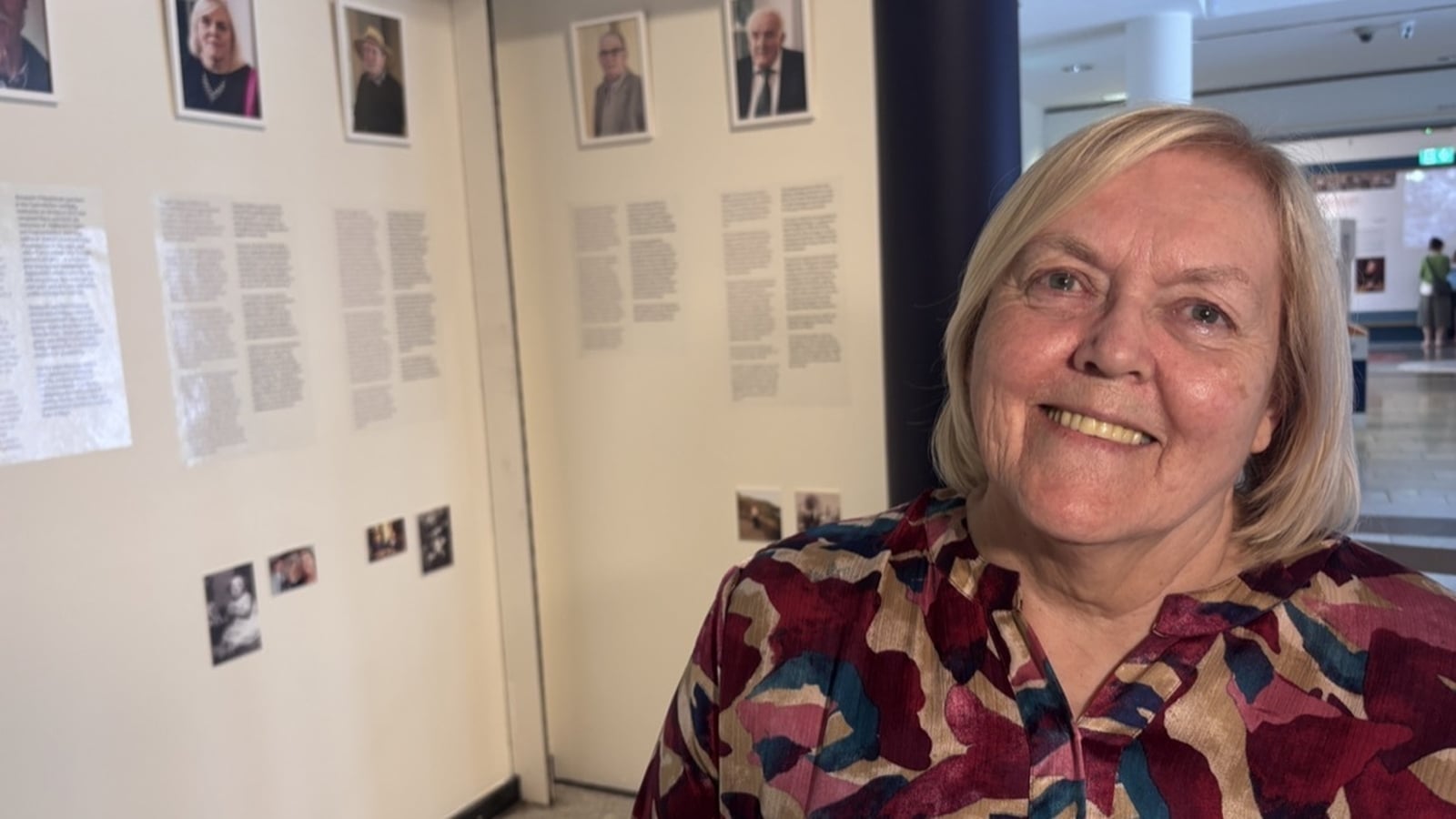
The experiences of people born in the Tuam Mother and Baby Home are being shared in a new exhibition at Galway City Museum.
The multimedia display stems from an oral history project, set up to gather the recollections and stories of those who were born in the home, which operated between 1925 and 1961.
Since 2019, survivors have been taking part in the ongoing initiative to capture a record of the time they spent at the home, and the individual paths their lives took afterwards.
Visitors to the museum can view a scale model of the facility, which stood where the Dublin Road estate is now situated in Tuam.
Photographic portraits of the participants are accompanied by an overview of their life stories, while their thoughts are featured in audio recordings which can be heard on headphones.
The Tuam Oral History Project is overseen by the history department at the University of Galway.
The exhibition comes as work to exhume and identify infant remains at the site of the former home continues.
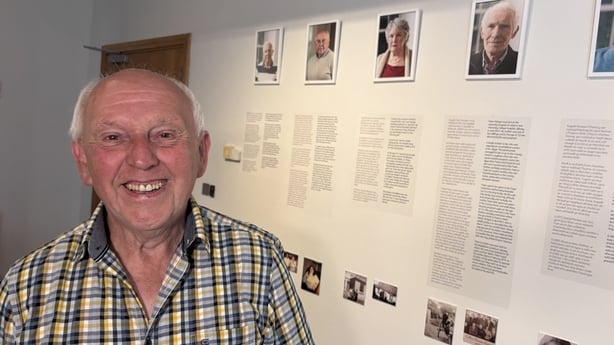
PJ Haverty is among those whose stories are detailed
The recording process is being conducted with the full participation of survivors at all stages.
They have the final say on whether their testimonies can be made public and have also been invited to take part in the exhibition.
Dr Sarah-Anne Buckley, from the university, said it was hoped to extend the project to take in survivors of other institutions around Galway city in the coming months.
Walter Francis, PJ Haverty and Teresa O’Sullivan are among those whose stories are detailed in the exhibition.
They have paid tribute to the manner in which the process was handled and say it is a reminder of the work historian Catherine Corless carried out in drawing attention to burial practices at the home.
The home was operated by the Bons Secours sisters, on behalf of Galway County Council, before it closed after 36 years.
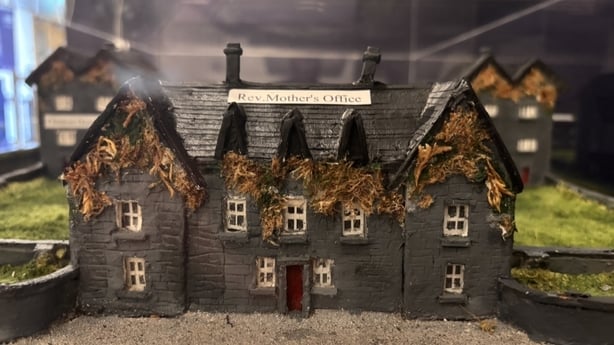
A model of the Rev Mother’s Office at the Tuam Mother and Baby Home
Speaking after she viewed the exhibits, Teresa O’Sullivan said she felt the awareness and recognition that had been brought to the Tuam story was a belated vindication of the mothers who had been forced to part with their children there.
“Something that struck me when I came into the building a while ago and saw my picture up on the wall with my family and that little girl was placed so well.
“We are no longer second-class citizens. We’re up there now and that, to me, is a huge achievement and a huge recognition of what was rightfully ours as well.
“I can just see my mom today, smiling down, and she would say ‘yes’ – this is the right way to go for justice and we as survivors, we owe them as well. We all work together to keep on going for justice.”
The display will be formally launched today and will run until the end of September.