

More young people than ever before are seeking help from the youth mental health service Jigsaw, with referrals up 33% in the first three months of this year, compared to the same period last year.
Last year, the charity accepted more that 11,000 referrals, the highest level in its two decade history, marking a 23% increase on 2024.
There were 3,909 referrals in the first quarter of this year, up 33% from 2,946 in the first quarter of last year.
The figures are contained in Jigsaw’s annual report, which was published today.
Speaking on RTÉ’s News at One, Jigsaw CEO Dr Joseph Duffy said that the increase in referrals was down to increased levels of anxiety and mental health issues among young people.
“I think there’s probably two things really. One is the level of anxiety, the level of mental health concerns that are increasing for young people,” he said.
Listen: More young people than ever before seeking help from Jigsaw
We need your consent to load this rte-player contentWe use rte-player to manage extra content that can set cookies on your device and collect data about your activity. Please review their details and accept them to load the content.Manage Preferences
“I think the other reason we would think probably that more people are coming is that we’ve done a lot of work, in terms of helping and reducing the barriers, helping young people to come to Jigsaw.
“Awareness among young people and acceptability of attending mental health supports has really increased.”
Mr Duffy said that young people are now more open to seeking help. “There’s a growing sense of that,” he said.
“We have a programme called Moving On which helps very young children aged 12 move from primary school into secondary school. We get a number of referrals arising from that with those young people going home, mentioning it to their parents and then their parents seeking a referral.
“That’s a really positive thing in terms of young people being able to identify for themselves.
“Also, we see an increased number of peer-to-peer referrals, which is a great thing in terms of young people being able to look for support,” Mr Duffy added.
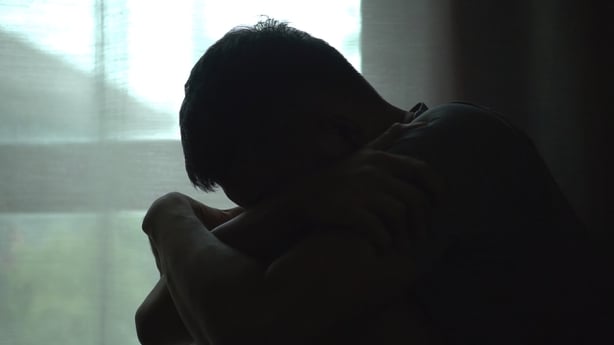
Jigsaw CEO Dr Joseph Duffy said young people are feeling more isolated (stock image)
In total, Jigsaw delivered 62,235 clinical contacts last year.
Mr Duffy said there were a number of contributing factors leading to anxiety and mental health issues in young people.
“There’s a sense of really not feeling connected, feeling a lot of friends online or a lot of connections on social media, but not many in real life,” he said.
“(There is) a sense of isolation from them and a sense of real having difficulties interacting or connecting with other people, in some ways not having developed some of the skills.
“We saw that during COVID when young people didn’t get their first bar job, or their first chance to go to the Gaeltacht, or to go on holiday with a group of friends, even within Ireland.
“Those things are really important formative events for young people in forming their identity, moving from being a child to being an adult, and we really want that transition to be as smooth as possible,” he said.
Mr Duffy said that by the end of the year, Jigsaw will have services available to 72% of people aged between 12 and 25 nationwide.
“We will, by the end of the year with support from the Department of Health, particularly in terms of Minister for Mental Health (Mary) Butler, where we’ll be opening services in Waterford and in County Clare,” he said.
“Other areas in the Midlands, in the northeast and in the southeast really need to have a youth mental health service.
“I think as a country, we’re really at that sort of tipping point. We’re nearly there in terms of nearly having 75% of that early intervention service, that first layer of support,” he said.
“If we could get to the rest of it, we could achieve that within the next three, four, five years. I think it’s really, really possible to do it.”