
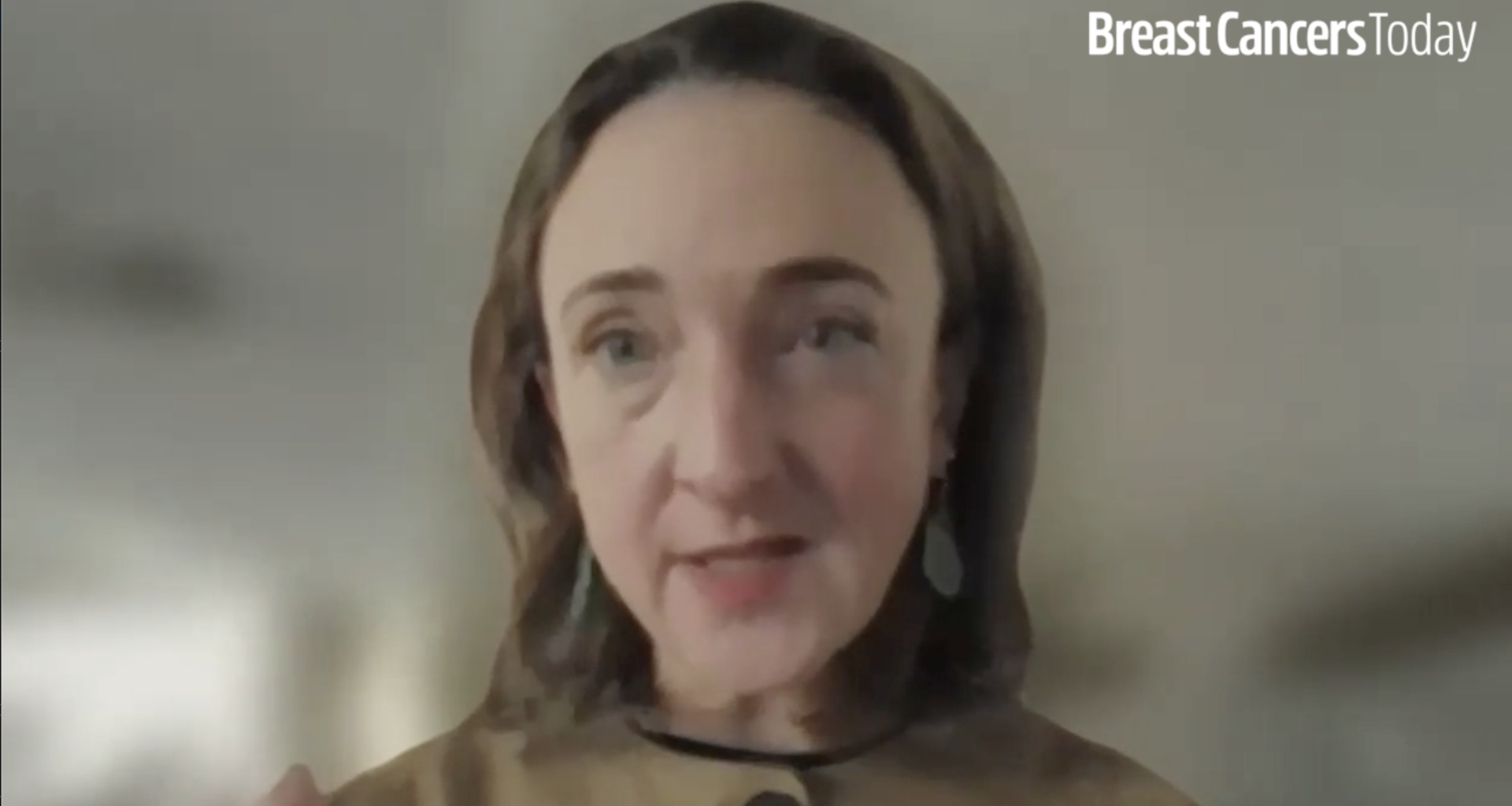
Dr. Paulus: Yes, I mean, I think for busy oncologists in 2026, the treatment guidelines are evolving so rapidly. So that’s just the landscape for every solid tumor, including breast cancer. Clinicians are getting exposed to all kinds of content, you know, whether it’s from professional societies, from NCCN, from within their own practice. So I think we were really looking to offer highly convenient and targeted support.
We also triaged some of this content, this kind of educational or supportive content selectively to physicians who treat high volumes of patients with metastatic breast cancer and who met other kinds of eligibility criteria for this type of content to be relevant.
So this wasn’t just like you know, a big email blast to 100,000 folks. This was not only highly evolved and specific content that was being delivered by fellow peer oncologists in the US oncology network, but was also being delivered in a highly strategic and specific way.
I have to confess that I was delighted and also surprised to see how much improvement we saw in guideline-concordant treatment after this engagement, this educational engagement, which was only about six to eight months. We all know behavior change is very hard just for humans generally, right? So we don’t, this is something that, you know, health communication, sociologists, behavior, scientists spend a lot of time thinking about it. It’s really hard, especially when you’re trying to, you know, help engage oncologists who are, again, supremely busy treating many different types of solid tumors in this environment.
So I want to believe, or I’d like to believe, that the reason that we saw such a clinically significant improvement in guideline-concordant care moved from about 61% to 72%. This is just a really huge improvement. You know, I like to think that’s because the engagement, the education that we offered was highly convenient, embedded.
One of the modalities we offered was embedded right inside the electronic health record. So clinicians who might be facing uncertainty or a particularly tough clinical decision around treatment can, you know, actually just within the EHR request support from a peer who’s kind of, maybe a super doctor in this space who may have more experience to help consult, again, right within the EHR.
The other thing we’re learning is that, again, like many humans, physicians love podcasts. So this can be really convenient, you know, listening to it on your drive home, you know, wherever you are. And so I like to think that providing extremely convenient, accessible content was part of the secret of the success.
I can’t rule out the fact, of course, that there could be other reasons that this intervention was so successful. Maybe just the doctors who clicked on the content or wanted to listen to the podcast were the type of people who are engaging with other resources, who are, you know, particularly hungry learners or something like that.
So there are, of course, other explanations, but at the end of the day, this was a quality improvement project. We weren’t necessarily looking to ask kind of causal questions about why it happened. We were just delighted to see the improvement itself.
I think the causal questions are really interesting and we think about them when we’re trying to replicate this for the future. But at the end of the day, seeing the really clinically significant improvement was a huge reward in and of itself.