

A doctor has warned that needing extra pillows to sleep could be an early warning sign of heart disease – and there are several other subtle cardiovascular health signs that are easily missed
Having to sleep with an extra pillow at night could be a warning sign of a disease(Image: gorodenkoff via Getty Images)
As we age, activities such as climbing a flight of stairs or lugging a bag of shopping from the supermarket to the car can become somewhat more challenging. But that slight breathlessness could be just one of a number of early warning signs of a serious health condition.
Another, less obvious indicator of future health problems, according to Dr Alex Wibberley, is finding yourself more comfortable at night with an additional pillow on your bed. It might seem like a harmless minor shift in your habits, but it could actually signal the onset of a condition known as orthopnea.
Orthopnea is a shortness of breath that you might notice when lying flat, but which disappears the moment you sit or stand up. Those affected may also experience a dry cough or wheezing while lying down that ceases when they sit up.
Quite commonly, sleepers will resort to using an extra pillow at night to ease the symptom – yet all the while they’re ignoring the underlying cause.
The condition, Alex explains on his Doctor Alex YouTube channel, is one of several subtle warning signs of a future heart attack that can frequently go undetected. All of them can ultimately be linked back to a stiffening of vital blood vessels that can place additional strain on the heart.
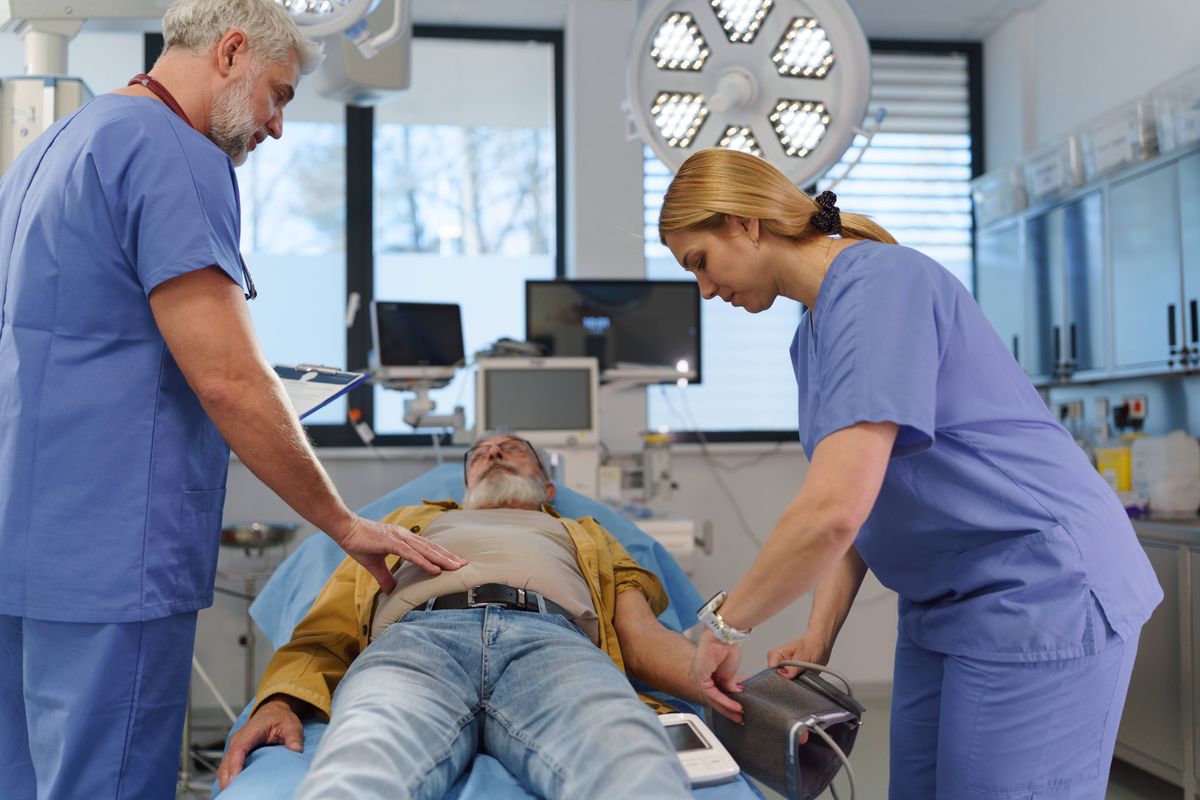
Warning signs can emerge 10 years before an actual heart attack(Image: Halfpoint Images via Getty Images)
When the heart is compelled to work harder, Alex explains, just like any other muscle it will “thicken” over time to cope with the pressure. However, while a more muscular heart will be able to squeeze forcefully enough to maintain normal blood flow, it will tend to struggle during the relaxation phase between beats.
This struggle is all-too-easily missed. Alex explains: “This doesn’t show up on a routine ECG,” he says, “it won’t be caught I a standard GP check. But it shows itself in daily life.”
He notes that the earliest indicators of cardiovascular disease are “pretty boring,” which is precisely why they’re so frequently overlooked. They can be mistaken for the effects of having had a hectic few days, or becoming slightly out of shape, or simply ageing.
“That is exactly what makes them dangerous,” Alex says. “Take tiredness for example… the unusual fatigue after climbing just one flight of stairs.”
He suggests that isn’t the sort of thing many people would comment on.
They’ll simply accept it as part and parcel of growing older.
As just one example, Alex says: “People start sleeping with an extra pillow without really consciously deciding to. They just find themselves more comfortable when they’re slightly upright.”
Fluid that has accumulated in your legs throughout the day will redistribute itself once you’ve been lying flat for a period of time. In particular, it will make its way to your chest and begin putting pressure on your lungs.
Alex adds: “In emergency departments, that is a big red flag for heart failure… in somebody’s house, it’s just an extra pillow, but to [emergency room doctors] that means something.”

It’s not about weight, Alex stresses, and even outwardly fit people can suffer(Image: SimpleImages via Getty Images)
The positive news about these early warning signs is that they present an opportunity to prevent a future heart attack. “This window for changing this trajectory is really big. It’s years wide” he continues.
Exercise and diet are dependable tools for restoring your heart health, with Alex continuing: “When you do sustained rhythmic movement – like walking briskly, or cycling, or swimming, or rowing, the increased blood-flow creates mechanical friction against the blood vessel wall.”
That friction, he explains, will stimulate the body to produce more nitric oxide, the essential molecule that combats vascular inflammation, and lowers blood pressure by relaxing and widening blood vessels.
“Studies have shown this happening within weeks, not months or years, of starting exercise, he adds. “The biology is more responsive than most people expect. ” Reducing your carbohydrate intake, too, will have a beneficial effect on your heart health, he says.
Along with monitoring your blood pressure, these are the straightforward, easy steps anyone can take to reduce the risk of serious heart disease.