
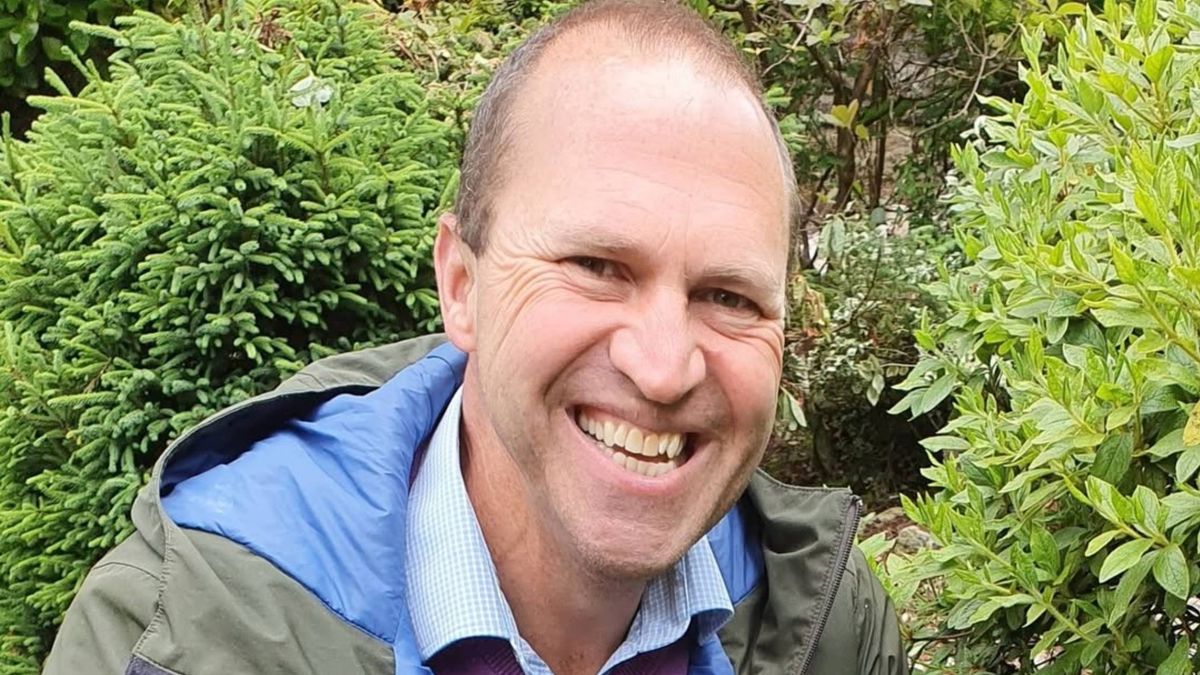
As the summer heat returns to Ireland, horticulturist Peter Dowdall shares the nine common garden watering mistakes people make during hot weather – and how to avoid them
15:15, 03 Jul 2026Updated 15:19, 03 Jul 2026
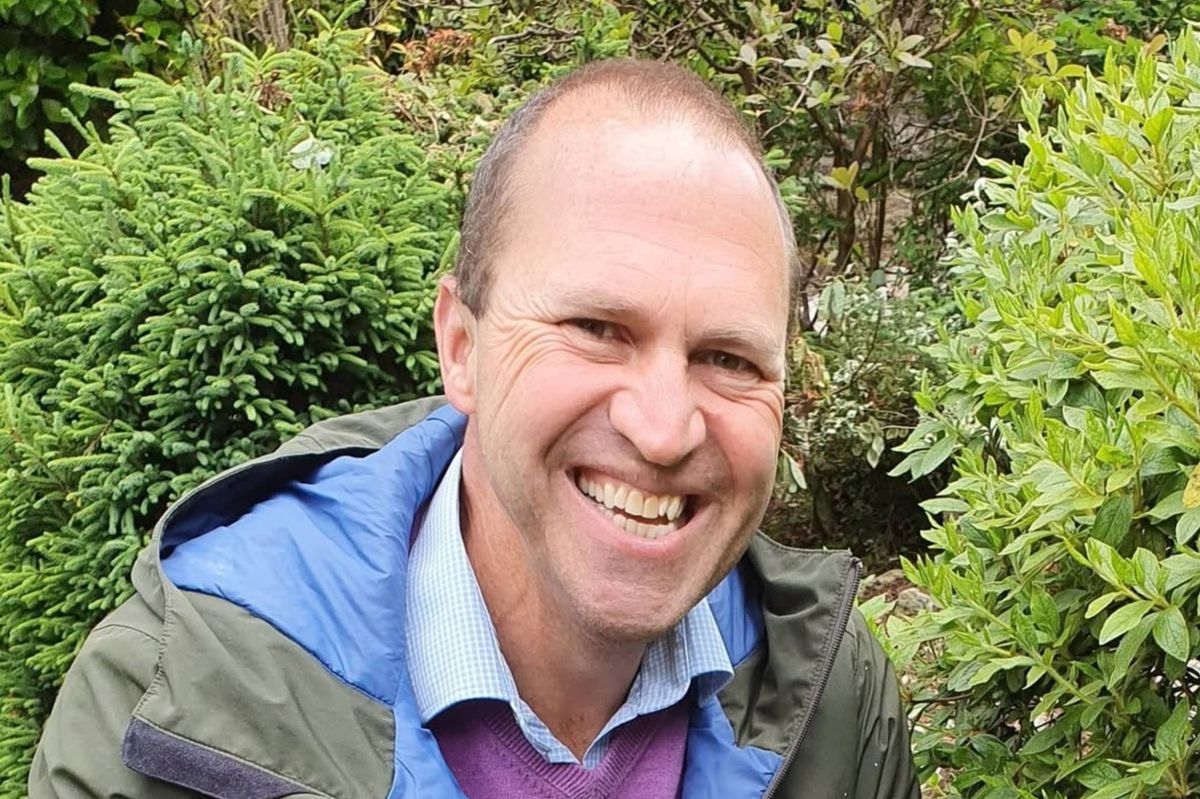
The Irish Gardener Peter Dowdall(Image: @the_irish_gardener/Instagram)
Met Éireann has forecast a fresh burst of summer warmth could be just days away, following our brief bout of wet weather. Temperatures could soar as high as 24C this weekend, with weather maps indicating they could push up to 27C by Tuesday.
Coming on the heels of last week’s severe thunderstorms, this would mark a dramatic turnaround, and one gardening expert has outlined nine common errors people make during spells of hot weather.
Peter Dowdall, known as The Irish Gardener, told this reporter: “July can be a tricky month in Irish gardens. We may get rain one week and warm, dry weather the next, so knowing when and how to water becomes very important.”
Helpfully, Peter went on to identify the most common blunders, while offering practical tips – such as how good watering is not simply about using more water.
He explained that the best long-term approach is to build healthier soil, mulch bare ground, choose the right plants for the right place, add biochar based plant food and only water where it is needed.
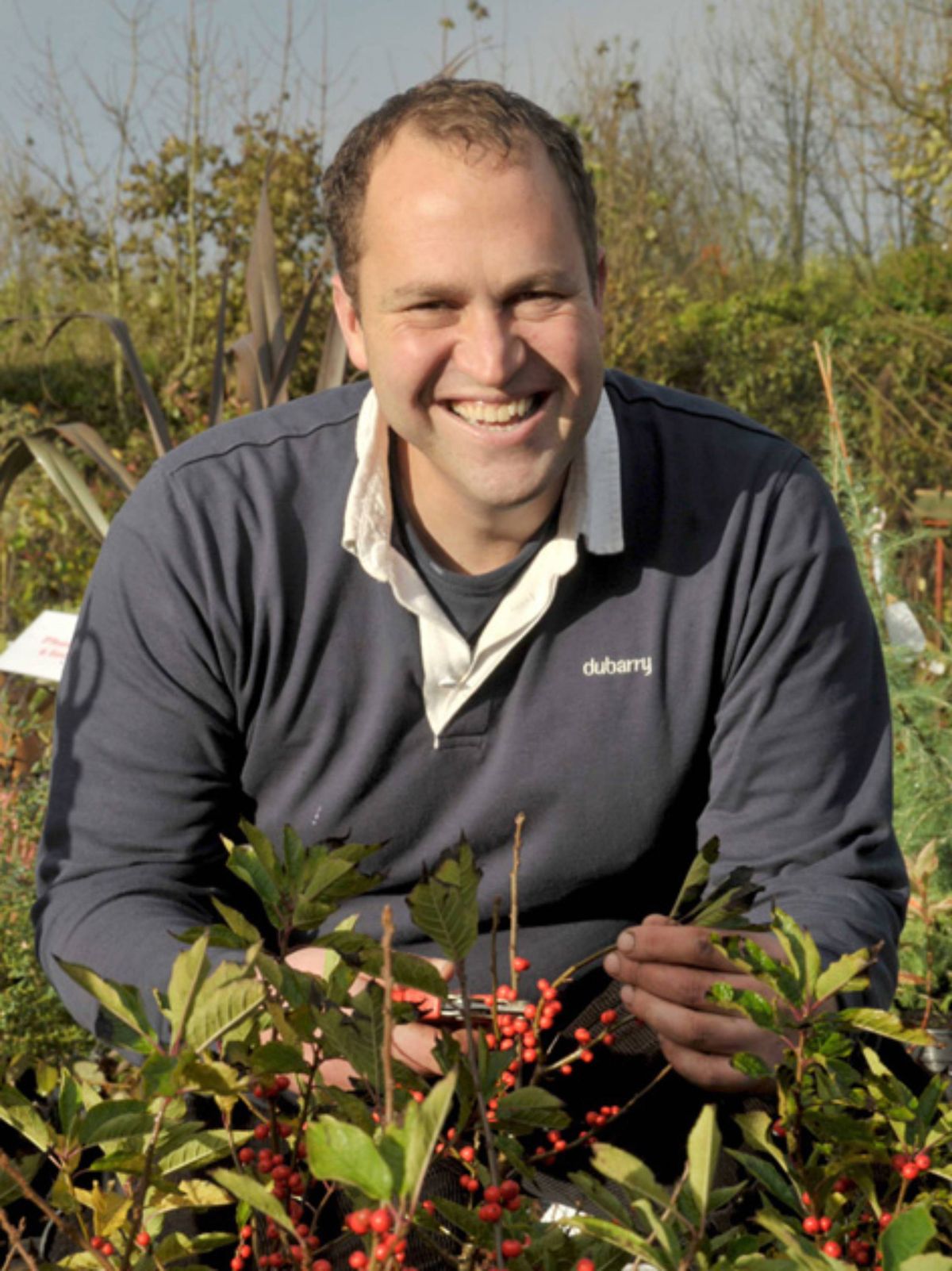
He shared his top tips(Image: -)
Not improving soil
Horticulturist and broadcaster Peter explained that healthy soil is one of the best tools we have in dry weather.
Soil with good structure holds moisture better, supports root growth and helps plants cope more naturally during warm or dry spells. Offering guidance, he continued: “Adding organic matter, compost and suitable soil improvers can make a real difference over time. Biochar can also be useful as part of this approach because it helps improve soil structure and can support better moisture and nutrient retention when used correctly.
“It is not about constantly watering more. It is about creating soil that works better.”
Watering little and often
As Peter frequently reminds his followers, a brief sprinkle over the surface may appear beneficial, but it is often futile. In warm weather, surface water can evaporate before it even reaches the roots.
Peter explained that watering less but more thoroughly was crucial because it helps moisture penetrate down into the root zone and therefore promotes stronger roots.
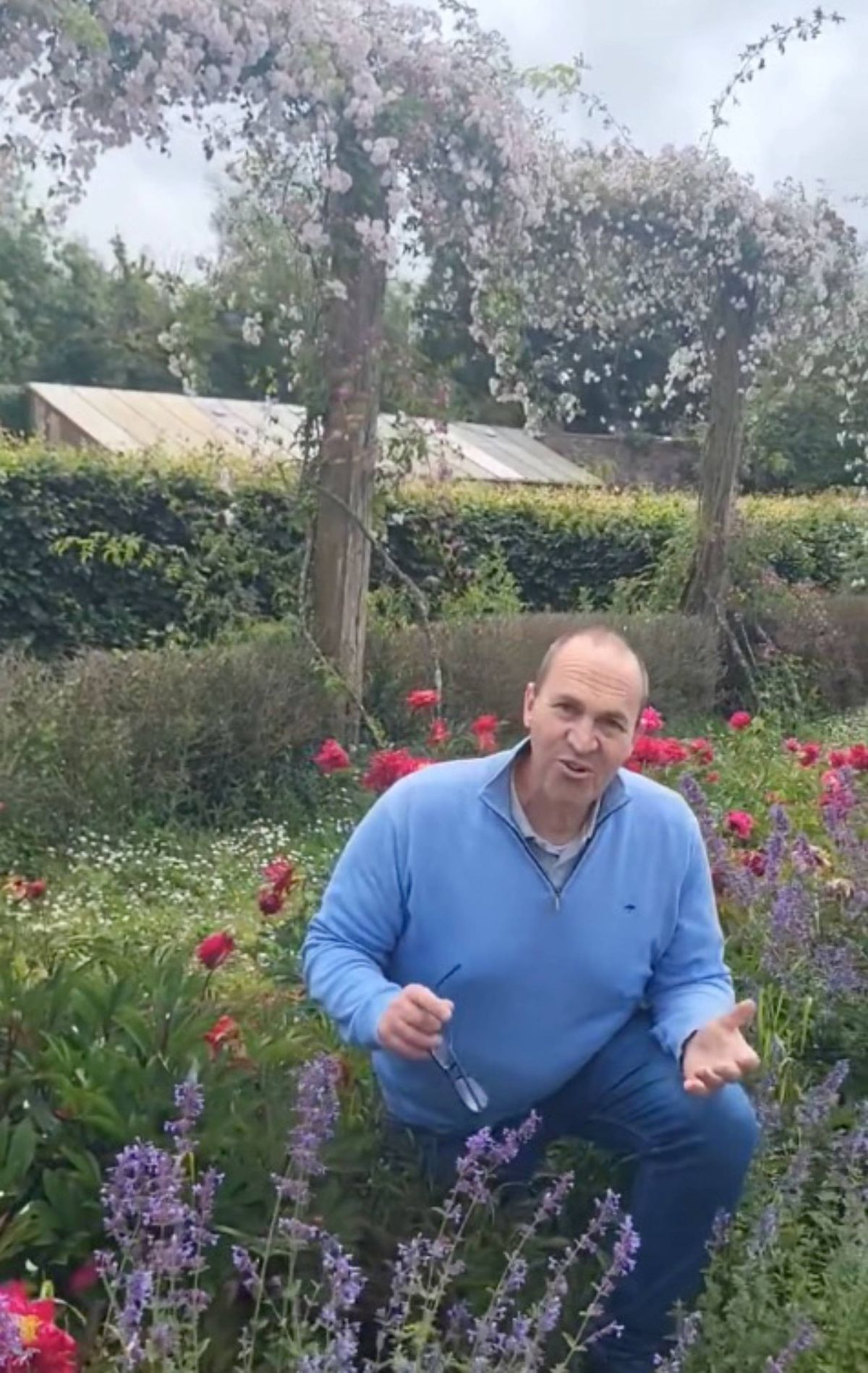
Peter Dowdall(Image: @the_irish_gardener/Instagram)
Watering at wrong time
You should water early in the morning or late in the evening and doing so in the middle of the day is less efficient because much of it will evaporate.
As for the optimal method, Peter stated morning watering is ideal if possible, because plants have moisture available before the heat builds.
Watering leaves, not soil
Gardeners should direct water at the soil around the base of the plant because the plants take up water through their roots.
Clarifying this, Peter remarked: “Wetting the leaves may make a plant look refreshed for a short while, but it does not solve the real problem. In some cases, wet foliage can also encourage disease, especially where air movement is poor.”
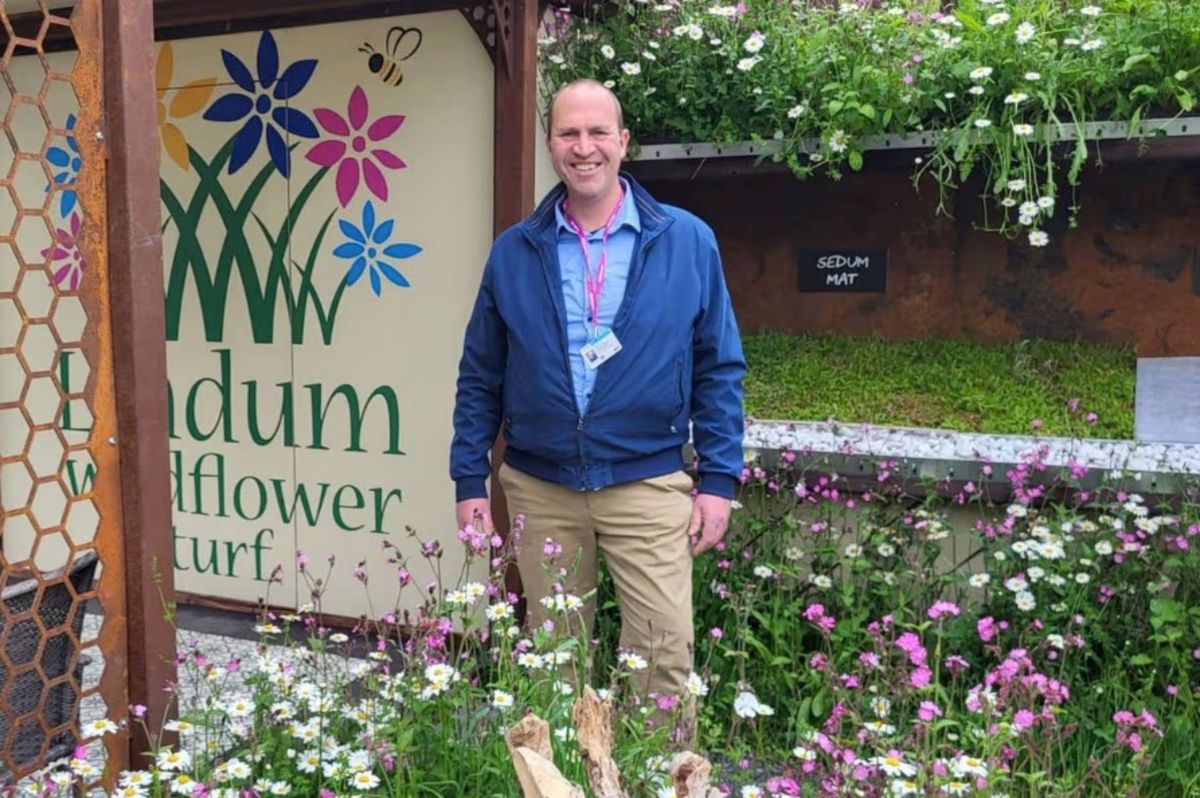
Peter Dowdall at the Chelsea Flower Show(Image: RSVP Live)
Forgetting new plants
According to Peter, newly planted shrubs, trees, hedges and perennials require the most care and attention. He noted that even if they were planted in spring, their roots may not yet be fully established.
He also pointed out that a new hedge may appear perfectly healthy for weeks, but can suddenly struggle during a dry spell.
To avoid any pitfalls, the expert recommended giving these plants deep and consistent watering while they settle.
Letting pots dry out completely
Pots, baskets and containers lose moisture far more rapidly than open ground. Once compost becomes excessively dry, water can run straight through without being properly absorbed.
Peter advised: “In July, check containers regularly, especially in warm or windy weather. Water slowly and make sure the compost is actually absorbing the moisture.”
Feeding before watering
Peter identified another frequent error as feeding a stressed plant before checking its moisture levels.
He explained that fertiliser will not rescue a plant that is short of water.
As such, gardeners should water first, and once the plant is actively growing again, feeding may then prove beneficial, particularly for pots and flowering displays.
Not mulching
Peter stated that mulching is one of the most effective ways to reduce watering demands.
A layer of compost, leaf mould, bark mulch or well-rotted organic matter helps protect the soil surface, reduce evaporation and improve soil structure over time. He added: “If the soil is already dry, water first and mulch afterwards. The aim is to keep moisture in, not trap dryness underneath.”
Selecting the wrong plants
If a plant continually struggles in a dry, hot or exposed spot, watering may not be the solution, according to Peter.
He suggested it could simply be a case of it being the wrong plant for that particular location.
The expert, who has spent 30 years working in Irish gardens, noted that good gardening was about matching plants to the conditions you have.
He added: “The right plant in the right place will always be easier to manage and more resilient.”
What to focus on
To summarise, Peter said that in dry weather, gardeners should give priority to pots, baskets, newly planted shrubs, trees, hedges, vegetables, fruit and anything showing real stress.
He also noted that established lawns and mature planting are often hardier than they appear. He said a lawn can turn brown in dry weather but in many cases it will bounce back once the rain returns.
In conclusion, he said: “The best July watering advice is simple: water early or late, water deeply when needed, improve your soil, use compost, organic matter and biochar where appropriate, mulch bare ground and do not waste water where it is not needed.”
For more practical seasonal gardening advice from Peter Dowdall, visit the Garden Q&A with Peter Dowdall page