
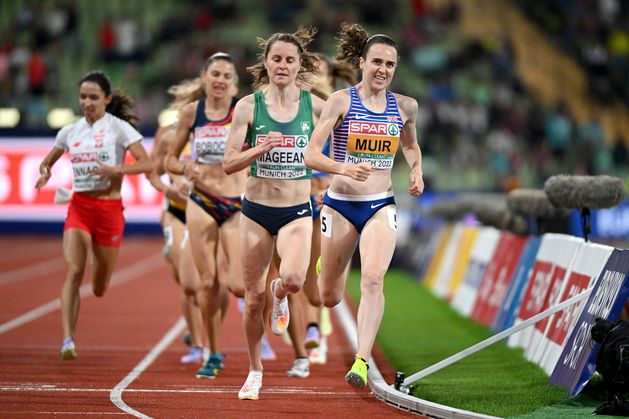
Muir, one of Britain’s most decorated athletes, has waived her right to anonymity in confirming she was among those who gave evidence against Andy Young. Muir, a winner of multiple Olympic, world, European and Commonwealth medals, was coached by Young, who was named coach of the year by British Athletics in 2016, for more than a decade.
A UK Athletics tribunal found nine of 39 charges that were initially brought against Young to have been proven or part proven, including how he once drove at speed before leaving an athlete by the side of the road following a disagreement after he had made a comment about their weight. It also found he had defied the advice of a physiotherapist while instructing an athlete to race. “Nah, be fine, just race,” Young told the athlete.
“The panel accepts the evidence of Athlete C, Athlete F and from other witnesses that Mr Young could be very forceful to the point of exerting pressure so severe that it amounted to manipulation or bullying,” said the panel in its findings. “This resulted in athletes feeling that they had no realistic option but to acquiesce to his wishes if they wished to remain within his training group.”
Muir who, with Jemma Reekie, ended her relationship with Young during a training camp in South Africa in 2023, welcomed Young’s ban, which was backdated to April 2023 and reduced from five to three years following an appeal. It means that Young can coach from April 2026, subject to undergoing various courses, including in relation to bullying and harassment, injury management and working with nutritionists and physiotherapists.
In reducing the ban, the appeal panel noted that there was “no physical element” to the misconduct but upheld the findings of “coercive behaviour”.
The panel’s report does not specify the identity of athletes or those concerned in particular incidents. Muir, however, chose to waive her right to anonymity.
“I fully support the decisions reached by both independent panels and I am grateful that the process has been followed through so thoroughly,” she said. “I want to thank those who came forward and those who contributed to the process − it has not been easy, but it was necessary.
“Athletics has always been my passion, and I am pleased to say that I have rediscovered the love of my sport and the enjoyment of training and working within a supportive and positive coaching environment. I am now focused on the future, looking forward to the next few years of my career, and putting this difficult chapter firmly behind me.”
In a statement, UK Athletics said that the panel had found, on multiple occasions, that Young placed performance above athlete welfare, ignored medical advice, and used manipulative and coercive behaviour towards those he coached. In its ruling, the panel described his actions as “conduct [that] exerted pressure sufficient to vitiate the athletes’ free will.”
UKA also highlighted Young “threatening to exclude athletes from training or races if they did not comply with his demands…emotionally undermining those who raised concerns about injuries…[and] inappropriate interference in nutrition”
Jack Buckner, the chief executive of UK Athletics said: “This has been a difficult and sobering case for everyone involved in athletics. There is no level of success on the track which can ever justify behaviours that fall so short of the standards required of a UKA licensed coach. This case underlines that performance and medals can never come at the expense of athlete welfare. Significant culture change has already taken place within UKA.
“Looking ahead, we are determined to continue building on this progress. We are in active dialogue with coaches and have launched a new coaching group, making clear that we want to support and celebrate the very best coaches − those who achieve success in the right way, with athlete welfare at the centre of their practice.”