
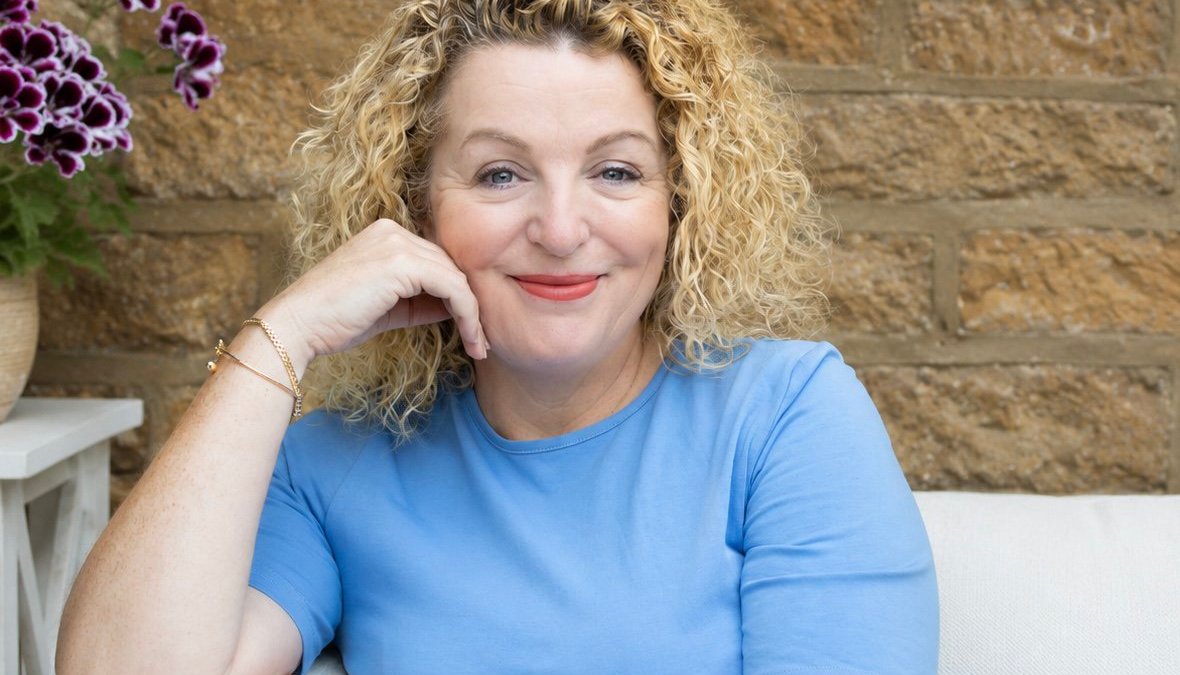
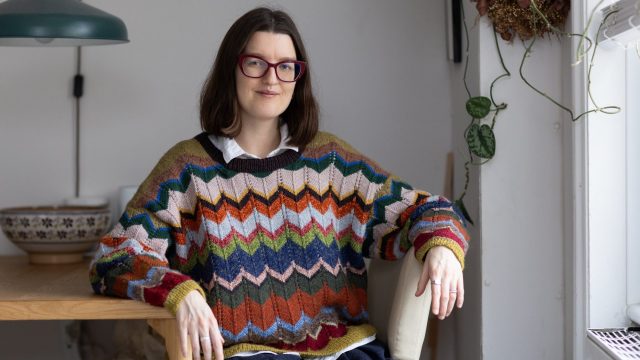
Heather Darwall-Smith was happy in her career as an advertising art director when, at 29, a yoga retreat changed her life. She explains, “I was going through a very painful period: I was struggling to conceive and had experienced pregnancy loss. The retreat was run by a couple who bought the site in their fifties and spent around 30 years developing it. I found that profoundly inspiring. It showed me that a major change did not have to happen early in life and that it was possible to build a life around values, community and wellbeing.”
During the retreat, however, another guest experienced significant mental health difficulties. It became clear to Darwall-Smith that good intentions and a peaceful setting were not enough: anyone running a retreat also needed the training and judgment to respond safely if somebody became psychologically unwell. That was the moment the idea took shape. She thought, “I will retrain as a psychotherapist and, one day, perhaps build a retreat centre of my own.” The retreat-centre plan eventually fell away, but the decision to become a psychotherapist remained and she began training at 42.
Being an art director was a career that suited many parts of Darwall-Smith’s personality: “I love visual problem-solving, the energy of a creative team and the satisfaction of turning something imagined into something real. At the same time, I could see that the role of an art director was becoming very different from the one I had entered, and I sensed that the future might not offer the same kind of creative life.”
Shorts
Scroll to previous short
Scroll to next short

 Was Trump’s intervention really worth it? (Photo: Reuters)
news
Donald Trump has torched America’s World Cup legacy

There was some hope that the USA would get through their last-16 tie against Belgium, perhaps even with Folarin Balogun playing a starring role. If this was the only way to shame Fifa into a full explanation, why not? The USA’s exit after a 4-1 defeat allows this rotten case to be quickly brushed under the rug before the quarter-finals.
Red card row that tainted World Cup
Donald Trump sparked huge controversy by confirming he lobbied Fifa boss Gianni Infantino to review United States striker Folarin Balogun’s one-match ban at the World Cup, branding the referee who sent him off “suspect”.
 Caption: United States’ Folarin Balogun (20) gets a pat on the head from Bosnia’s Sead Kolasinac (5) as United States’ Christian Pulisic (10) stands by after receiving a red card during the World Cup round of 32 soccer match between the United States and Bosnia in Santa Clara, Calif., near San Francisco, Wednesday, July 1, 2026. (AP Photo/Martin Meissner)
Photographer: Martin Meissner
Provider: AP Photo/Martin Meissner
Source: AP
Copyright: Copyright 2026 The Associated Press. All rights reserved.
 With one move, Donald Trump and Gianni Infantino have thrown the World Cup into controversy (Photo: Leah Millis/Reuters)
After significant outcry, including from Uefa who said the decision left the integrity of football at stake, Balogun’s ban was suspended by Fifa’s disciplinary committee, allowing him to play in the last-16 clash with Belgium.
Was it all worth it?
 Caption: COMMERCE CITY, COLORADO – OCTOBER 14: Head coach Mauricio Pochettino of the United States walks off the field after winning the game against Australia at Dick’s Sporting Goods Park on October 14, 2025 in Commerce City, Colorado. (Photo by Andrew Wevers/USSF/Getty Images)
Photographer: Andrew Wevers/USSF
Provider: Getty Images
Source: Getty Images North America
Copyright: 2025 Andrew Wevers/USSF
US started well
Mauricio Pochettino and the USMNT had made friends amongst travelling supporters.
World Cup fever grew
They also gained new fans amongst their own football-sceptic population, thus evaporating a degree of the insularity that can blow through US sport.
 Caption: AL KHOR, QATAR – NOVEMBER 25: US fans hold up an American flag before a FIFA World Cup Qatar 2022 Group B match between England and USMNT at Al Bayt Stadium on November 25, 2022 in Al Khor, Qatar. (Photo by Doug Zimmerman/ISI Photos/Getty Images)
Photographer: Doug Zimmerman/ISI Photos
Provider: Getty Images
Source: Getty Images Europe
 Trump does not respect Balogun for who he is (Photo: Getty)
But scandal will endure
That has changed over the last three days. Unless the USA actually reached the World Cup final, this controversy promised to be the overriding legacy of their tournament.
US Soccer and Pochettino are also guilty
For all the hollering and deliberate moral selectivism of some in the US football community over the last 48 hours, everybody reasonable knows that Balogun should not have been playing.
That includes Pochettino.
 Caption: LONDON, ENGLAND – FEBRUARY 04: Mauricio Pochettino, manager of Chelsea, looks dejected during the Premier League match between Chelsea FC and Wolverhampton Wanderers at Stamford Bridge on February 04, 2024 in London, England. (Photo by James Gill – Danehouse/Getty Images)
Photographer: James Gill – Danehouse
Provider: Getty Images
Source: Getty Images Europe
 USA are among the nations who can go easy in the final round of group games (Photo: Getty)
A legacy has been soured
In 2019, the United States Women’s National Team declined an invitation to visit President Trump’s White House because they did not want their success to be co-opted by a regime that had worked against their fight for equal pay and LGBTQ+ rights.
 The tackle for which Balogun was sent off (Photo: AP)
 Caption: SAN JOSE, CA – JULY 9: Crystal Dunn #19 of the United States high fives her teammates after a game between Wales and USWNT at PayPal Park on July 9, 2023 in San Jose, California. (Photo by Brad Smith/USSF/Getty Images for USSF).
Photographer: Brad Smith/USSF
Provider: Getty Images for USSF
Source: Getty Images North America
In 2026, the USMNT relied upon the same President to personally intervene in their own cause and were then immediately knocked out of their host tournament.
A legacy has been soured. Memories will last for the wrong reasons. A reputation has been torched.
 Couple sleeping in bed – stock photo. (Photo: Getty)
news
Missing sleep leads to ‘one pound every six weeks weight gain’
A new study has found that delaying sleep by just 80 minutes can lead to weight gain at the rate of one pound every six weeks.
Previous studies have shown that severe sleep deprivation in the short term leads to changes in appetite and overeating, which can contribute to weight gain.
Here’s how:
How staying up late affects waistlines
 Sleep tourism in hotel. Exhausted woman sleeps sweetly in bed in the morning – stock photo. (Photo: Getty)
Who was studied?
Experts from Columbia University in the US conducted the study with 95 adults who usually get seven or eight hours of sleep.
What was analysed?
They were told to delay their normal bedtime by 90 minutes for six weeks and then get the usual amount of sleep for the next six weeks.
 Smartphone on wooden cabinet rings at nine o’clock, next to digital flip clock at home interior. Sunbeam shining through the window on a fresh morning. A brand new day, fresh start, fresh energy, new opportunities. Waking up early for a healthy lifestyle – stock photo. (Photo: Getty)
 Caption: This is a stock photo of of some weighing scales, a tape measure and running shoes. See PA Feature BOOK Dr Karan Rajan. WARNING: This picture must only be used to accompany PA Feature BOOK Dr Karan Rajan. PA Photo. Photo credit should read: Alamy/PA
NOTE TO EDITORS: This picture must only be used to accompany PA Feature BOOK Dr Karan Rajan
Photographer: Alamy/PA
Provider: Alamy/PA
Source: PA
How was sleep tracked?
Those studied wore wrist monitors to track their sleep and changes in body weight, waist circumference, body composition and certain hormones.
What were the results?
As well as average weight gain of a pound, sedentary time increased by an average of 17 minutes per day during the six-week period.
That increased to nearly 30 minutes per day for men and postmenopausal women.
 Caption: This is a generic photo of a young woman sleeping peacefully in bed while wearing a smartwatch. See PA Feature WELLBEING Sleep. WARNING: This picture must only be used to accompany PA feature WELLBEING Sleep PA Photo. Picture credit should read: Alamy/PA.
NOTE TO EDITORS: This picture must only be used to accompany PA Feature WELLBEING Sleep.
Photographer: Alamy/PA
Provider: Alamy/PA
What are the long-term effects of losing sleep?
When extrapolated to a full year, we would expect that losing less than an hour and a half of sleep per night could result in clinically meaningful weight gain
Faris Zuraikat, assistant professor of nutritional medicine at Columbia
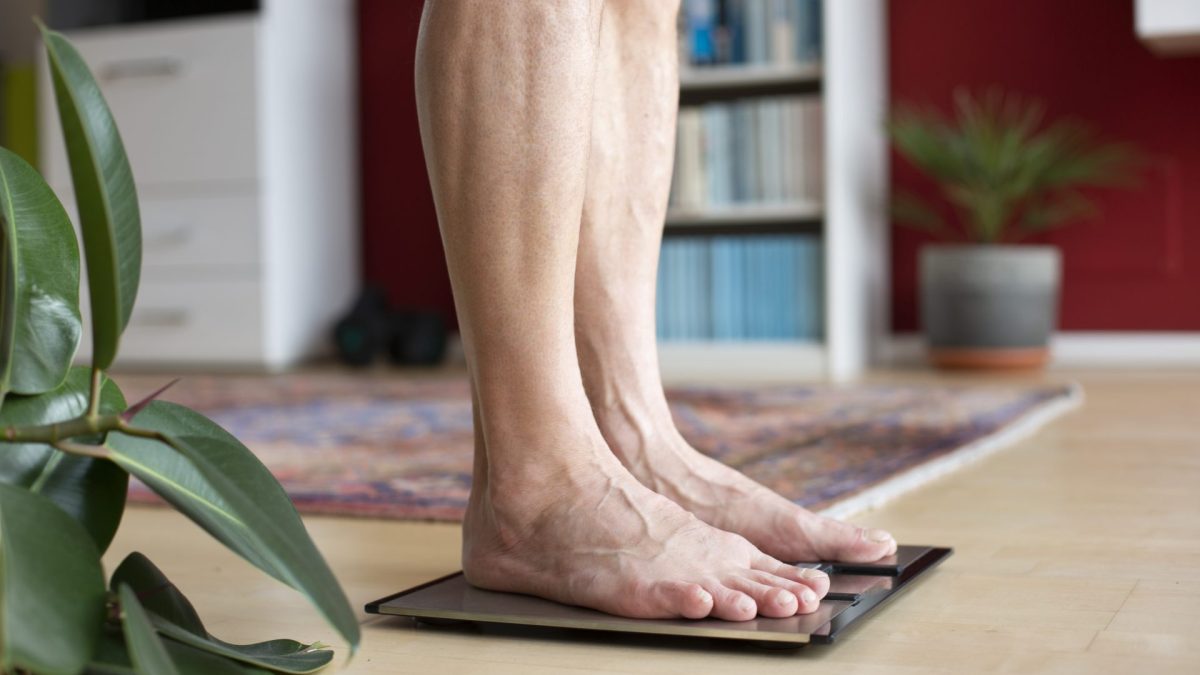 Man standing on weight scale, low section – stock photo. (Photo: Getty)
New ‘game-changer’ tests for endometriosis
Women with suspected endometriosis will no longer have to spend years trying to get a diagnosis thanks to new “game-changer” tests approved for use in GP surgeries.
 Caption: Pain, stomach, endometriosis, women’s health
Photographer: Kinga Krzeminska
Provider: Getty Images
Source: Moment RF
What is endometriosis?
Endometriosis is a painful condition affecting one in 10 women of reproductive age in the UK where cells similar to those in the lining of the womb (uterus) grow in other parts of the body.
 The move by the NHS is understood to have led to thousands of patients seeing appointments being cancelled (Photo: PA)
 Menstrual pain, woman with stomachache suffering from pms at home, endometriosis, cystitis and other diseases of the urinary system – stock photo. (Photo: Getty)
In an effort to cut the time it takes for women to be diagnosed with endometriosis, the National Institute for Health and Care Excellence (Nice) has given the green light to two tests on the NHS – EndoSure and Endotest.
How do the tests work?
With Endotest, women give a saliva sample which is then sent to the lab to check for tiny biological markers called microRNAs. This indicates the presence of endometriosis.
EndoSure can detect the condition by measuring electrical signals in the gut using sensor pads on the abdomen.
None of the tests are designed to act as standalone diagnostic tests but should ensure women receive a diagnosis and treatment much faster.
Expert opinion
A diagnosis of endometriosis can for some women take the best part of a decade. That delay means living with chronic pelvic pain that affects daily life. These technologies have the potential to change that”
Dr Anastasia Chalkidou, HealthTech programme director at Nice
 Woman at home suffering from menstrual pain. Menstrual cramps, woman warming lower abdomen with a hot water bottle, endometriosis, and diseases causing pain. – stock photo. (Photo: Getty)
 Most British houses are built to retain heat (Photo: Antonio Diaz/Getty/iStockphoto)
How to keep your sex life going in a heatwave
Don’t endure it
For some people, the heat and the sun boost the production of hormones responsible for joy, pleasure and connection like serotonin and dopamine. For others, the heat causes fatigue and irritability. For them, being touched can set off an anxiety response.
GEMMA NICE [BELOW]
Don’t endure sweaty cuddles
Long-term partners can be upfront and honest with each other and say that it’s too hot to touch right now.
For others, break the tension by having an open and honest conversation.
Choose dates with built-in air conditioning, like the cinema.
Don’t ignore the issue or
power through if you’re too hot.

LIFESTYLE
5 min read
How couples can manage a heatwave
Take penetrative sex off the table
It may make you feel lightheaded, tired, and can even lead to erectile dysfunction because the body is overheating.
 The UK had pretty low numbers of libidinous romantic lovers, suggesting that ‘Brits may not be having as much fun between the sheets as people in other countries’
(Photo: RealPeopleGroup/ Getty Images/ iStockphoto)
 (Photo: Dmitrii Marchenko/Getty).
Indulge in dirty talk instead
Because you aren’t distracted by physical movement, your focus is entirely on your partner’s voice. This can help build a massive amount of tension and sexual desire.
How couples can manage a heatwave
 Caption: Young couple at home practicing yoga. They are watching online fitness live streaming classes.
Photographer: svetikd
Provider: Getty Images
Source: E+
Copyright: SVETIKD
Breathwork
This syncs up your nervous systems and can trigger a deep, full-body energetic response.
Mutual play
Set up a fan and touch yourselves while looking directly into each other’s eyes, says Nice.
 ‘Humid heat is harder heat,’ one expert says (Photo: Getty)
 Our reader’s new partner always wants to ‘chill’ at home rather than go for walks or dinner or come up with ideas (Photo: vm/E+)
Strip and chill out
Just sharing the space and being close to each other can strengthen your bond.
Why you shouldn’t have
sex in the sea
Water actually washes away
your body’s natural lubrication.
It creates friction against the delicate tissue.
This can cause micro tears and severe irritation.
It drastically increases the risk of getting a urinary tract infection (UTI) or a yeast infection.

LIFESTYLE
4 min read
The one easy habit which keeps your
brain young
From adopting a different running route to taking up a new hobby, here are seven ways in which new experiences can dramatically alter your brain health for the better.
 Making friends at work can have a profound impact on happiness (Photo: Tim Robberts/Getty)
Why we need new experiences
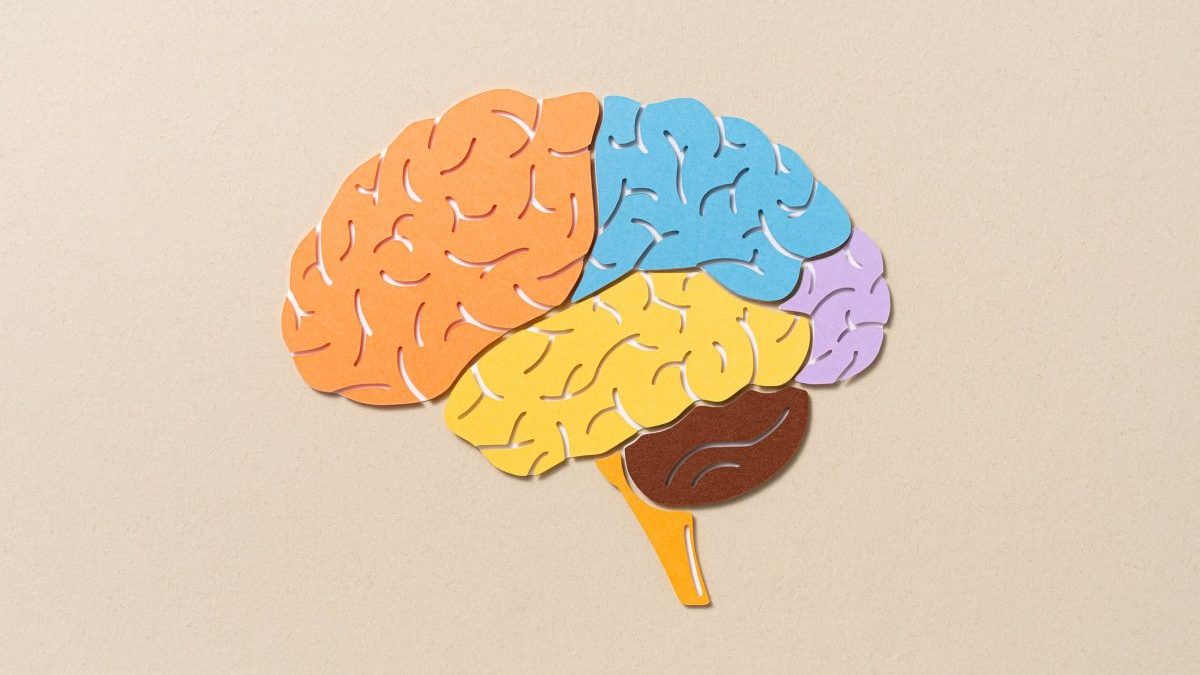
A well-connected brain is more resilient to stress, illness and the effects of ageing.
Neurologist Dr Steve Allder says when we try unfamiliar things, our brain is forced to work in new ways.
Over time, this improves the brain’s ability to adapt to change and respond to challenges, helping us to preserve thinking skills and emotional balance.
Why we need new experiences
They strengthen memory formation
Regularly exposing yourself to new situations – even small ones – helps exercise your memory systems, which improves your ability to store and retrieve information.
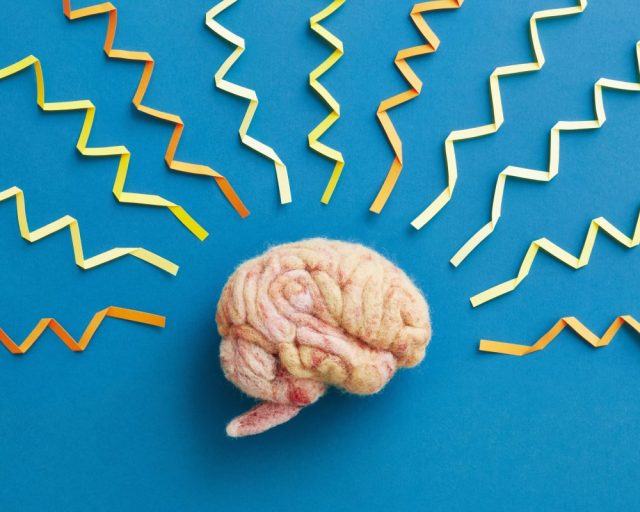 A human brain made of wool with folded paper brainwaves – stock photo. (Photo: Getty)
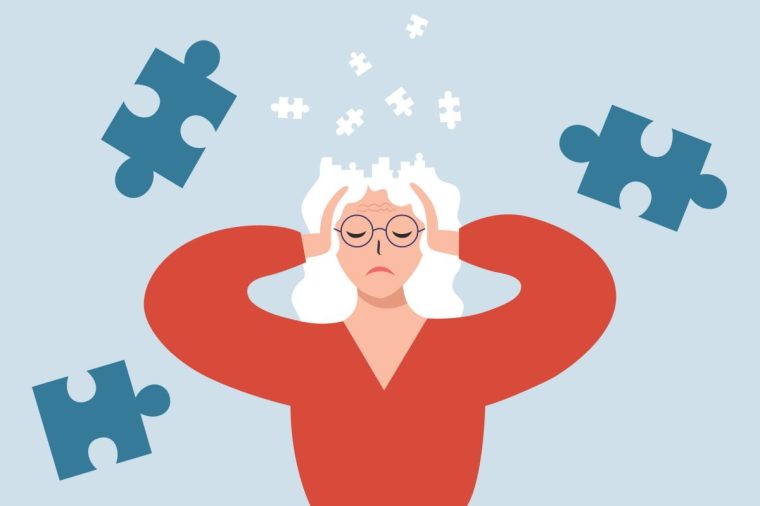 Puzzles like sudoku have now been widely shown not to protect against cognitive decline (Photo: Getty Images)
They improve overall learning ability
Just as muscles adapt to new exercises, the brain adapts to new mental demands. As we age the brain then benefits from regular stimulation and maintains sharpness.
Why we need new experiences
 Caption: Happy woman walking with male partner in vineyard during sunset. Elderly couple are touring in field against sky. They are enjoying during weekend.
Photographer: Morsa Images
Provider: Getty Images
Source: Digital Vision
Boosts dopamine
New experiences naturally stimulate dopamine, which encourages positive behaviour patterns.
Reduce cognitive decline
New experiences activate different brain regions, helping to keep more areas working.
 Happy pregnant mother sitting close to smiling teen daughter while taking selfie on smartphone – stock photo. (Photo: Getty)
 Caption: Portrait of elderly woman solving sudoku puzzles at home, sitting in living room. Sudoku as popular game for aging people, logical thinking, problem solving.
Photographer: Halfpoint Images
Provider: Getty Images
Source: Moment RF
Problem-solving
Your brain must evaluate options, test ideas and adjust its approach.
The benefits of new experiences
Each time you adapt successfully to something new, your brain learns that change can be handled. This improves emotional flexibility, making it easier to cope with stress and unexpected events.
They also often involve other people, whether through travel or social activities. This stimulate areas of the brain
responsible for communication, empathy and understanding others’ perspectives.
 Running might not seem like the most appealing hobby, but if you give it a try, you might be surprised (Photo: EMS-FORSTER-PRODUCTIONS/Getty/Digital Vision/ems-forster-productions)

Your sleep has a huge impact on your heart health
How sleep and your heart
health are linked

Adults who regularly sleep fewer than seven hours are at increased risk of high blood pressure, obesity, heart attack and diabetes.
The risk of coronary artery disease is 45 per cent higher in adults with short sleep durations at night.

LIFESTYLE
4 min read
The bedtime habits that reduce risk
Sleep tourism in hotel. Exhausted woman sleeps sweetly in bed in the morning – stock photo. (Photo: Getty)
Consistency
Keep daytime naps to less than 20 minutes and aim for seven to eight hours sleep per night.
Wind down
A reasonable 20-30 minute bedtime routine can include reading, light stretching, and meditation.
 A mature man meditates in the last sun rays coming into his bedroom – stock photo. (Photo: Getty)
 Caption: Close-up view of female jogger tying laces of her sport shoes before running exercise routine. Motivation, healthy lifestyle and fitness concept.
Photographer: Xavier Lorenzo
Provider: Getty Images
Source: Moment RF
Time your exercise
Vigorous exercise within three hours of bedtime can cause insomnia.
The bedroom environment
 Pensive young Asian woman sitting on bed writing on journal in cozy bedroom. Copy space. – stock photo. (Photo: Getty)
Sleeping in a bedroom with bright overhead light has been associated with a higher risk of major cardiovascular events, including heart attack (47 per cent higher risk), stroke (28 per cent) and heart failure.
Darken the room with blackout blinds or an eye mask, avoid blue light and leave your mobile phone outside your bedroom.
The bedtime habits that reduce risk
Food and drink
Alcohol, nicotine, caffeine and large evening meals can all disrupt sleep quality.
 One theory is that alcohol and drugs can hijack the brain’s pathways (Photo: Guillermo Spelucin/Getty Images)
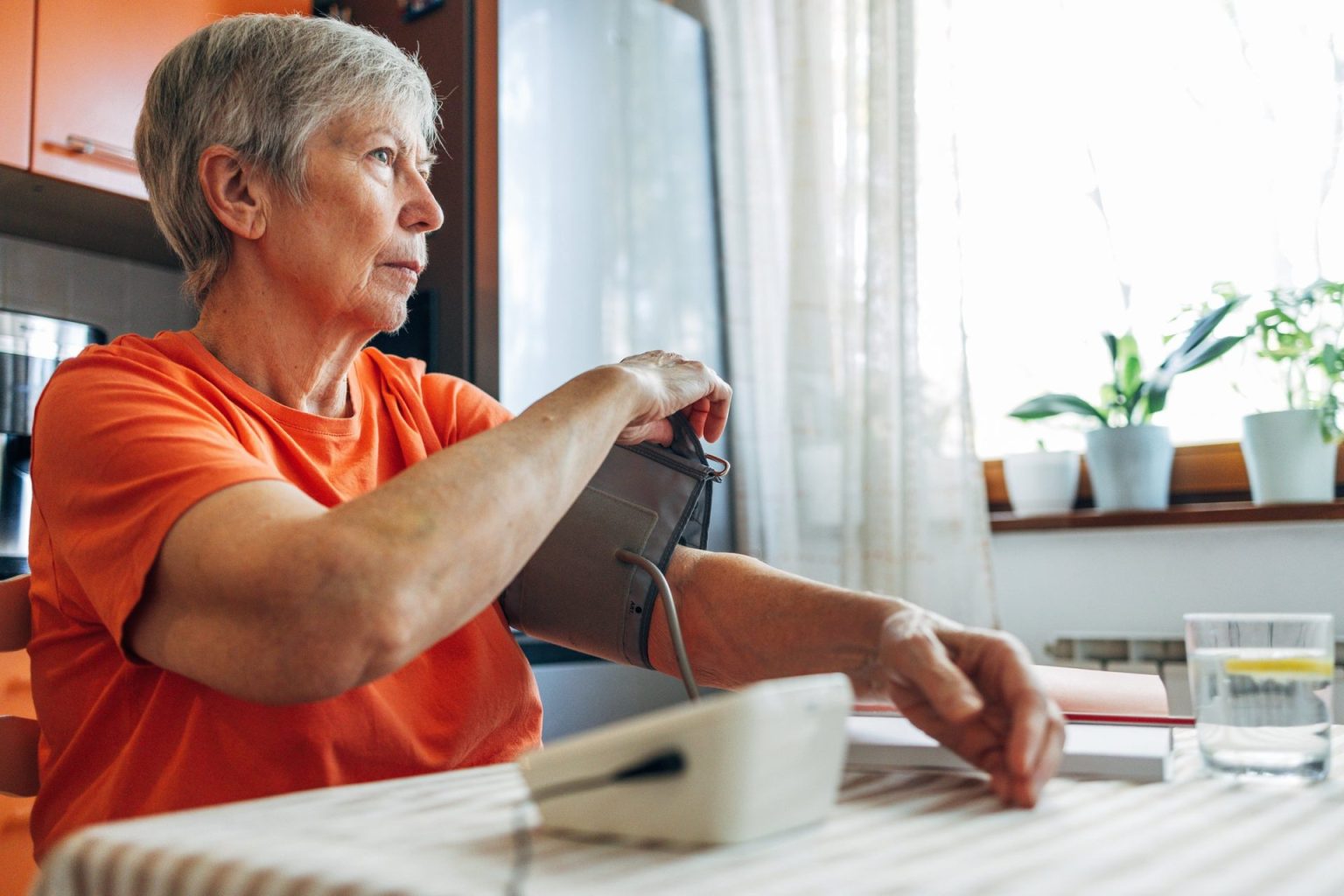
Know your numbers
If your blood pressure at bedtime is consistently high, consider discussing medication with your GP.
Beware of snoring
Sleep-disordered breathing is linked with cardiovascular conditions, so it could be time for a GP evaluation.
 Separate bedrooms is not the first step on the road to dissolution; it’s the route to joint survival (Photo: LordHenriVoton/E+/Miljan Lakic/Getty)
 Alzheimer’s can be seen on brain scans (Photo: Tek Image/Getty)
HEALTH
Reflecting on the early signs of dementia
Three families reflect on the early signs of the illness, which affected their parents.
They include the things they missed or dismissed, what they’d do differently and what they’d want other people in the same position to know.
Robert and his mother Joyce
She fell for a scam
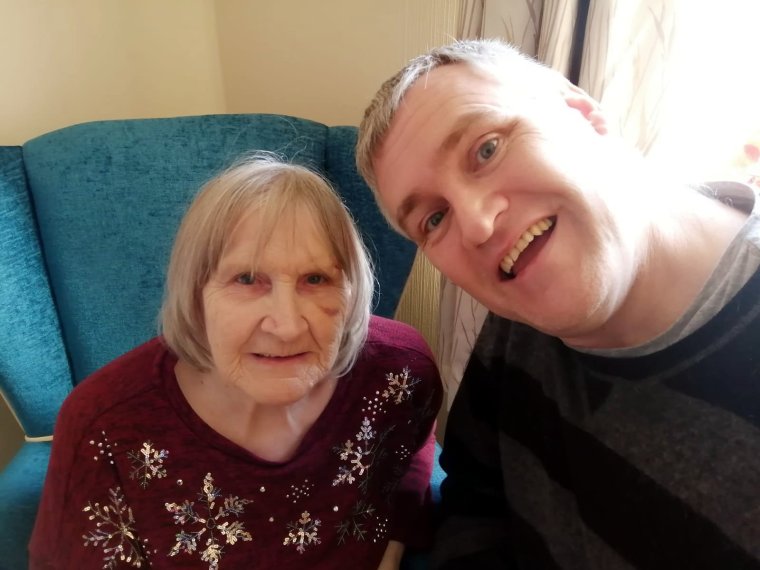 Robert’s mother Joyce spent her last six years in a care home
One of the first incidents that rang alarm bells for Robert was his mum falling victim to a suspected scam from someone selling mattresses door-to-door.
She also started to struggle with cooking and making her special dishes she’d been making for decades without a problem.

LIFESTYLE
5 min read
Did he tell his mother?
We [had] just sort of played along with everything. But on one particularly bad day, I blurted it out over the phone, ‘Because you’ve got dementia, mum!’ She threatened to kill herself, which was very scary. Maybe it’s something I should have explained properly to her from the get-go.
JOYCE WAS DIAGNOSED WITH ALZHEIMER’S IN HER EARLY SEVENTIES
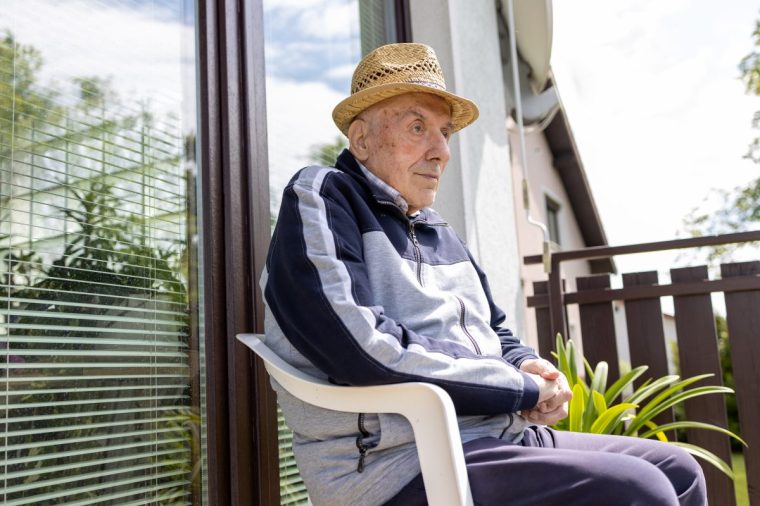 Old man with dementia enjoys sunny weather – stock photo. (Photo: Getty)

Rosie became a carer
in her early thirties
I think we missed some of the really early subtle signs.
Rosie’s mother was diagnosed with Young Onset Alzheimer’s Disease at 58 but some symptoms, like brain fog, were put down to the menopause.
She had become more forgetful, and was repeating herself, but as she had always “been scatty” it was dismissed.
She became fixated
It was on strange things like going to the same buffet.
Chloe was just 14 when her mum, Sarah, was diagnosed with young onset frontotemporal dementia, a rare form of the disease.

Another time Sarah, who was diagnosed in her forties, forgot how to boil an egg.
On Saturdays, when she’d usually go shopping, she’d go out and come straight back home, almost like she was forgetting
what she was going out for.
Unused or unwanted subscriptions cost consumers £1.6bn.
Writer Sadhbh O’Sullivan looked into her own forgotten subscriptions when she became a first-time buyer, and realised how much she was wasting on things she wasn’t using.
 Are you good at managing money (Photo:
Peter Dazeley/Getty/The Image Bank RF)
The hidden spends that go unnoticed
I’d long considered myself to be quite a reasonable spender.
But the hidden costs across her bank accounts, like free trials that hadn’t been cancelled and memberships for abandoned services, proved otherwise.
It was full of small amounts, £2.99 here, £4.50 there. These small amounts added up.
The ghost subscriptions
Sadhbh isn’t alone.
19%
According to a Nationwide survey almost one in five Brits don’t use every platform they pay for.
The bank suggests they could save as much as £400 a year by ditching them.
4.7 million
National Trading Standards’ 2025 research found 4.7 million people were paying for subscriptions they didn’t know they’d signed up for.
In 2024, a government report found unused and unwanted subscriptions cost consumers up to £1.6bn a year.
How to deal with the subscriptions
Hunt them down
Banking apps usually list your ‘subscriptions’ separately from direct debits and standing orders so you can easily spot what you’re shelling out on.
 Pensioners have some flexibility over the timing and payment of their state pension
(juststock/Getty Images/iStockphoto/ NIPITPHON)
 Edge will give customers cashback on debit card and direct debit spending
Check everything
You can be debited through credit cards, E-payment services, your mobile phone bill, Apple Pay or Google Pay.
How to deal with subscriptions
 Dating apps have failed the black community, says Amber (Photo: Morsa Images/Getty)
Be honest
Don’t vow to use a subscription you’re not going to, even if you
have good intentions.
Look over 13 months
Many businesses have changed from monthly to annual payments so look further back.
 Changes are due to kick in on everything from inheritance tax to filling in self-assessment forms (Photo: Getty).
 Customers struggling with debts are highly likely to be in vulnerable circumstances, regulators warn
(Photo: Martin Prescott/Getty)
Future proof
Make sure to track any subscriptions you have kept so you can cancel them, if need be, in future.
Don’t be afraid of phone calls
If companies don’t let you cancel online, don’t fear the customer service line.
With TV and broadband, call the new customer number as it’s often answered more quickly.
If you’re happy with the service, but not the price, speak to a real person that may offer a better deal.
Look for a phone number and press the ‘thinking of leaving us’ option. It’s usually a fast track to a team with authority to offer bigger discounts.
Having been in therapy at various points in her life, Heather knew how powerful it could be and found herself increasingly drawn towards work that involved depth, meaning and sustained human connection. There was also a sense of security in working in a therapeutic setting, as demand for therapy increased. Driven in part by reduced stigma and greater awareness of mental health issues, over 80 per cent of therapists report operating at full capacity, and there’s a real need for more trained practitioners to help those in need.
Darwall-Smith is far from alone in retraining in the mental health field. Data from the British Association of Counselling and Psychotherapy (BACP) found that from April 2020 to 2023, membership rose by 27 per cent. And in 2021, 24 per cent of applicants to the Doctorate in Clinical Psychology course were aged 30 to 49.
Wanting to be a therapist is much more than being a good listener, and while Darwall-Smith understands the impulse to retrain because you’ve been through something difficult and want to help others, it can be a terrible reason on its own. She explains, “The people who struggle most aren’t the ones who lack empathy. They’re the ones who have too much investment in being helpful, in being liked, in fixing things. Sitting with someone’s distress without rushing to resolve it is genuinely hard. It goes against most of our instincts.”
The increased demand for therapy means that sometimes people seek advice from those who are not adequately trained, Darwall-Smith explains. “In the UK, anyone can call themselves a psychotherapist; it’s not a protected term, like nurse or midwife. That’s a genuinely alarming situation when you consider how vulnerable people are when they reach out for help. I take my accreditation with the United Kingdom Council for Psychotherapy (UKCP) seriously. It means I’m insured, I’m bound by a code of ethics, and there are processes in place if something goes wrong.”
The training brought together academic study, clinical placements, supervision, personal therapy, reflective writing and a great deal of emotional and practical commitment. “I expected it to be absorbing; I underestimated how rigorous, exposing and transformative it would be,” says Darwall-Smith. The personal therapy she undertook during the training was “necessary and uncomfortable in equal measure. You can’t ask clients to go somewhere you won’t go yourself.”
Darwall-Smith estimates that the training cost at least £80,000, as it took six years to complete the master’s degree in mindfulness-based psychotherapy alone. During that period, she also worked as a freelance designer while raising a family, so the challenge was not only financial; it was about time, energy and sustaining momentum over many years. “A significant amount of the work is unpaid, yet it still has to be fitted around earning a living and, in my case, family life,” she says.
Training does not really end at qualification. Psychotherapists are expected to continue learning throughout their careers. Darwall-Smith has specialised further, including studying sleep medicine at the University of Oxford and training in cognitive behavioural therapy for insomnia. She undertakes continuing professional development every year, as well as ongoing supervision, so both the learning and the expense continue.
Some people retrain in therapy as they believe it will be a lucrative career, but the data shows this is often not the case. A BACP survey found that only 40 per cent of people said they could earn a living as a psychotherapist, with nearly 75 per cent earning £30,000 a year or less.
Darwall-Smith left advertising fully in 2019, a year before qualifying at 48, and she works full-time from a consulting room at home. Client contact hours are only part of it. “Most therapists I know work considerably more than their clinical hours suggest. It looks like a part-time job from the outside. It rarely is,” she says.
Typically, a psychotherapist in private practice might see around 15-20 clients a week and charge somewhere in the region of £65–£85 per session. However, that figure does not take into account the many associated costs, such as insurance, professional development, room hire, administration, tax, pension contributions, and periods of unpaid leave or cancellations.
She says the best part of the job is the privilege of being trusted with another person’s story, explaining, “People bring experiences that may be difficult to share elsewhere, and being allowed to accompany them as they make sense of them is deeply meaningful. The work can be quiet and gradual, but small shifts in understanding can have a profound effect on how somebody lives.”
As rewarding as the job is, it can be difficult to switch off from, as Darwall-Smith says, “When a client is in acute distress, when the work feels stuck, or you’re genuinely not sure whether things are moving or deteriorating – that’s frightening. There’s an accumulated weight of being trusted with difficult things.” Darwall-Smith is still in personal therapy and doesn’t think she’d be able to do her job without it.
Psychotherapy is, largely, a white middle-class pursuit – both in terms of who practises it and, to a significant degree, who accesses it. Members of the Partnership of Counselling and Psychotherapy Bodies (PCPB) are mainly aged 45-64, white, and female. The reasons aren’t mysterious. Training is expensive, long, and largely self-funded. It requires years of reduced income, as well as the ongoing cost of your own therapy and supervision. Darwall-Smith says, “We need younger therapists, therapists from a much wider range of cultural and ethnic backgrounds. We need the training to be more accessible financially and structurally.”
Retraining has changed Darwall-Smith’s relationship to ambition. As she explains, “In design and advertising, I was highly driven. Success was closely linked to status, momentum, recognition and the next achievement. Today, success is much more about sustainability. For me, it means being healthy and grounded enough to be genuinely present with my clients. It means doing work that matters while also having room for relationships, family, rest and a life beyond work. Ambition has not disappeared, but it has become less about proving something and more about creating a life I can inhabit.”
Heather Darwall-Smith is the author of three books including ‘The ADHD Sleep Book‘, out now