
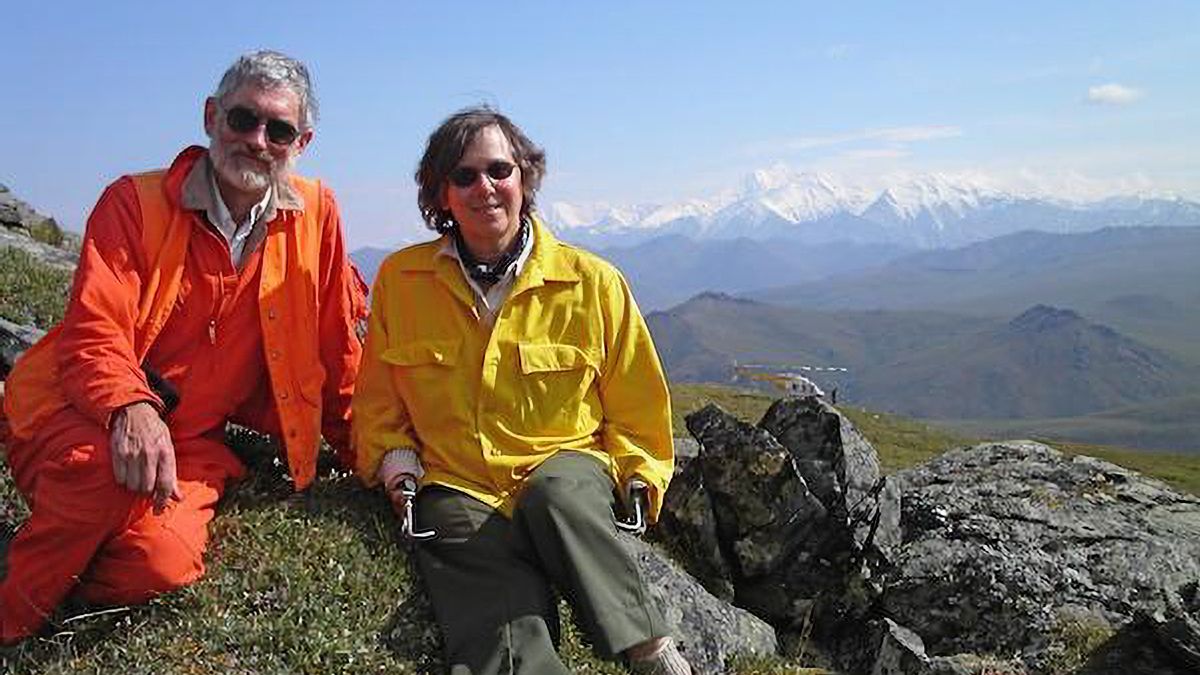
WARNING: DISTRESSING CONTENT A woman was working alone in the wilderness while training to become a geologist when a black bear stalked her through the woods before knocking her to the ground and eating her arms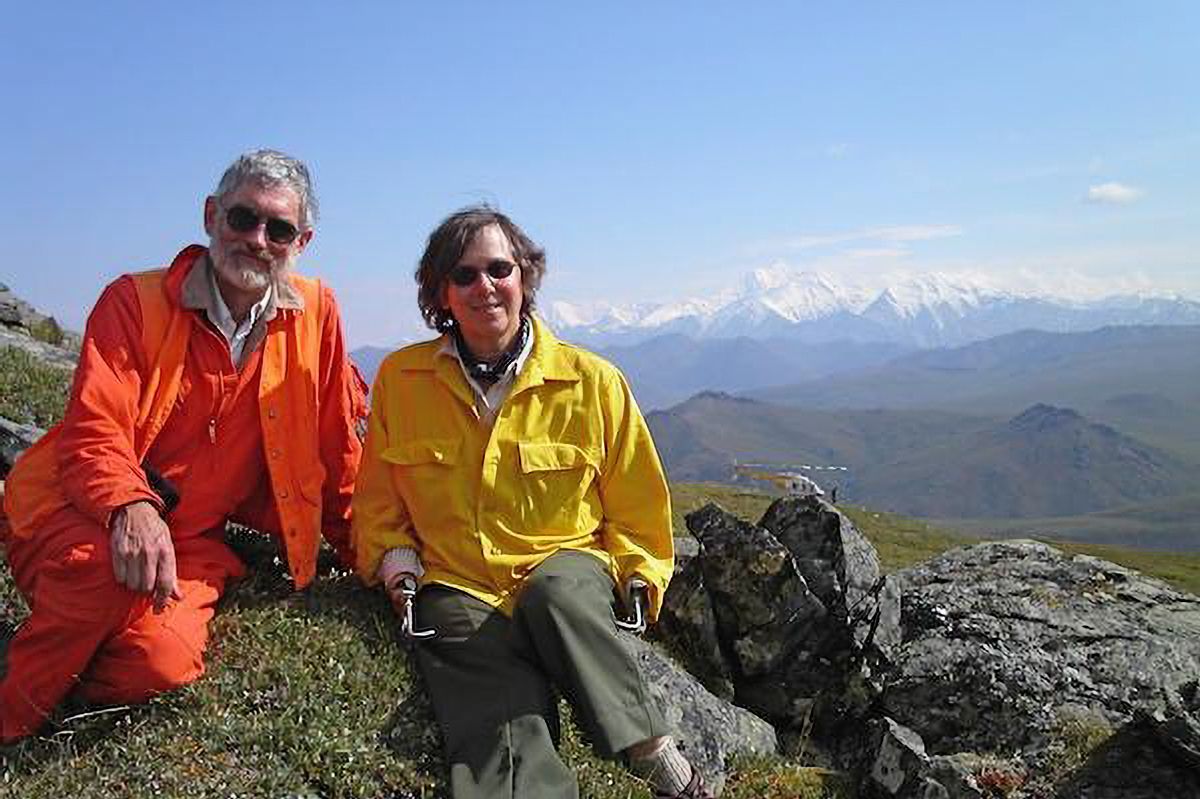
After losing both her arms in a bear attack, Cynthia uses artificial limbs(Image: Handout)
A woman was stalked and then mauled by a black bear in an hour long attack which saw her lose both of her arms – but she miraculously survived.
It was August 13 in 1977 and Cynthia Dusel-Bacon was completing her third field season in Alaska as part of her studies to become a geologist. She was working for the Alaskan branch of the United States Geological Survey and had been dropped off in a remote area by helicopter.
Cynthia was just 30 and the epitome of health, spending much of her spare time backpacking in California, and also as part of her fieldwork in Alaska.
She was fit and strong – but no match for a young, hungry black bear.
The aspiring geologist had a bag with her containing her lunch and various rock samples, as well as a walkie-talkie radio and a geologist’s hammer.
Despite working alone in the wilderness, she had no weapon. The project chief believed “guns added more danger to an encounter than they would prevent” and this view was adopted as the standard policy on the project.
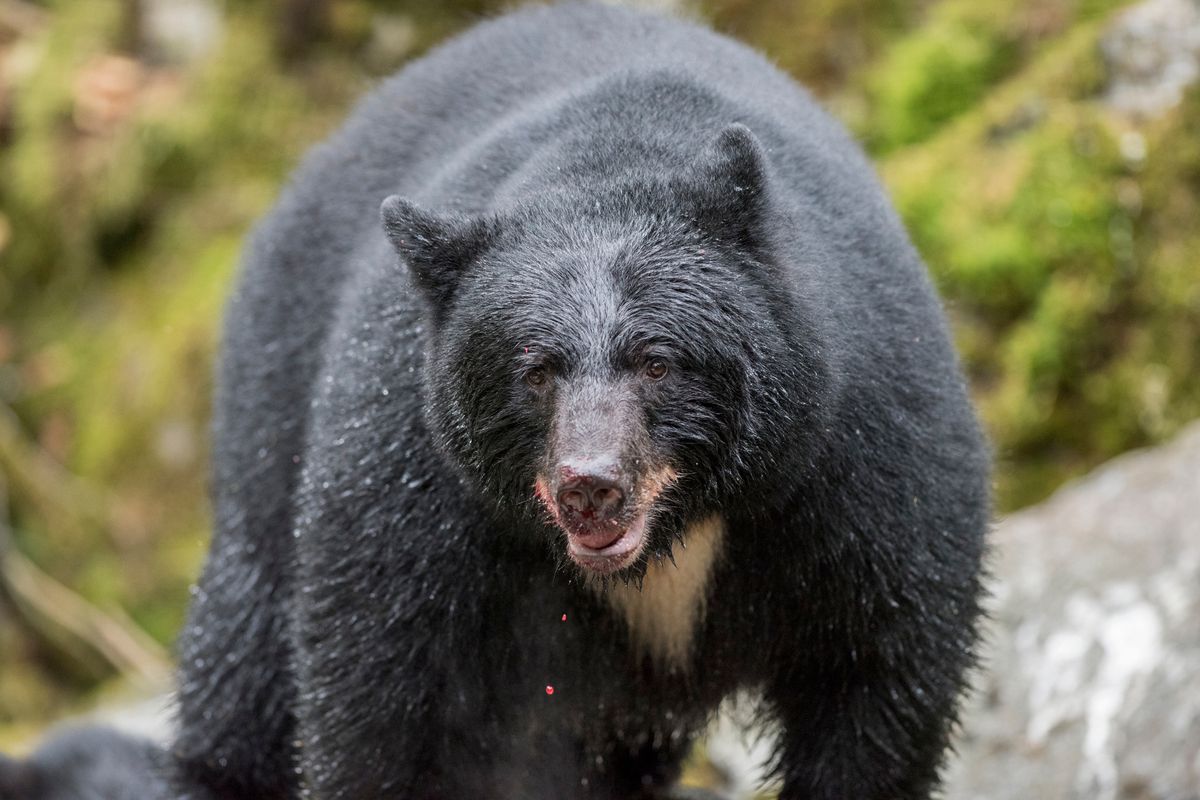
She was attacked by a black bear while working in Alaska (stock image)(Image: Getty Images)
In a taped interview with author Larry Kanuit, Cynthia said: “She had therefore strongly discouraged us from carrying any kind of a firearm.”
On that fateful day, Cynthia was hiking along a narrow path not too far from the Salcha River, about 60 miles southeast of Fairbanks, Alaska, and collecting rock samples.
A small black bear made her jump after suddenly moving through the brush around just 10 feet away from her. It had likely been following her for some time.
The bear stared at Cynthia so she shouted at it and used her hammer to hit a rock to make loud noises in an attempt to scare the bear away but it wasn’t at all deterred by her.
In a bid to establish some distance from the animal, Cynthia stepped back and the bear seemed to vanish from sight.
This was a hunting strategy though – the bear had circled back and was able to attack Cynthia from behind, knocking her to the ground.
She’d been told playing dead was the wisest move, so the bear wouldn’t think she was a threat – but it had never seen the young geologist as a threat.
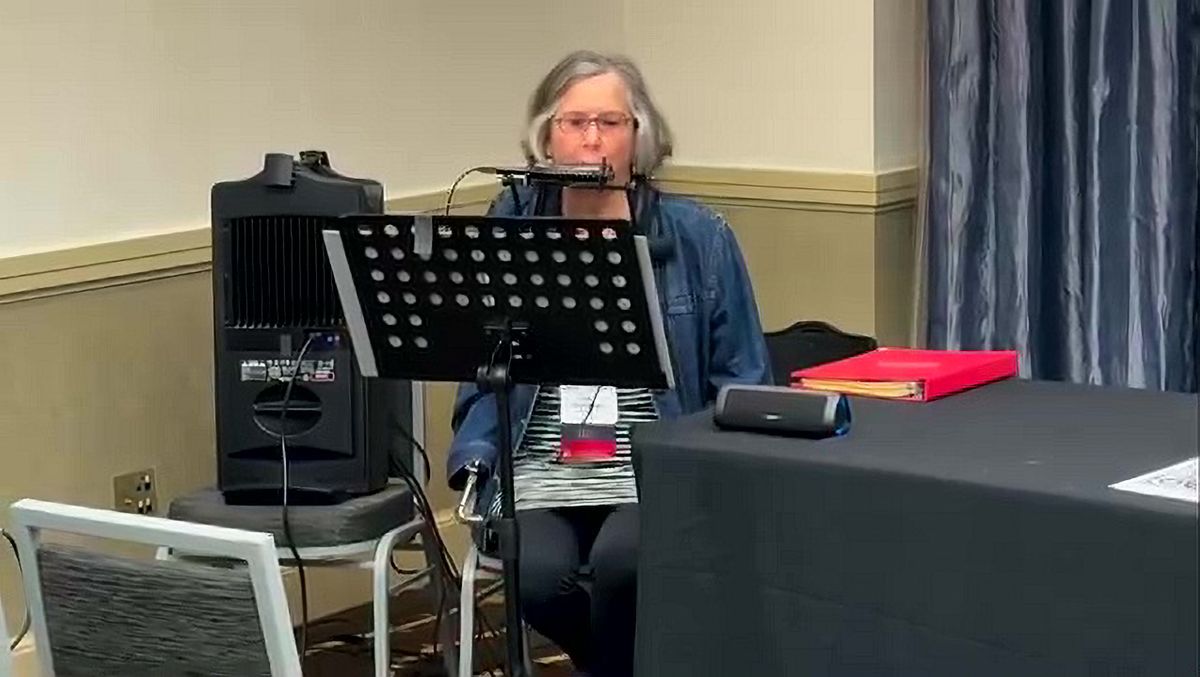
Cynthia Dusel-Bacon enjoys playing the harmonica(Image: Facebook)
The bear then dragged Cynthia for half an hour, her right arm disabled as the bear ripped and chewed on it.
Using her left arm, Cynthia was able to get her radio out of her pocket and signal for help. By the time help arrived, the bear had eaten most of her arms.
Later, a bear believed to have been responsible for the attack was shot and killed.
Following the tragic incident, the Geological Survey offered training with firearms to those working in wild areas.
Cynthia was fitted with prosthetic arms but had to adapt to a whole new way of life. She uses her feet a lot, opening doors by performing a high kick and twisting the doorknob with her foot.
Now, she is a geologist emerita volunteer at the USGS but she hasn’t done fieldwork since 2010. Cynthia still loves to hike, and also plays the harmonica.
Black bear attacks on humans are very rare.
Canadian scientist Stephen Herrero, “possibly the continent’s foremost authority on bear attacks”, along with colleague Susan Fleck, discussed the possible reasons for attacks.
The scientist said: “Food stress was previously suggested as a contributing factor in a series of five black bear-inflicted injuries (including one fatal) in Alaska.
“However, if a relationship exists between food stress and black bear attacks, it is a complex one… There have been many years of major food stress for black bears without human injury resulting.”