

Fossil fuels continue to dominate the Irish energy system, accounting for more than 70% of the country’s energy requirement last year.
Figures from the Sustainable Energy Authority of Ireland (SEAI) show that four-fifths (78.2%) of Ireland’s energy requirement was met through imports in 2025, substantially higher than the EU average of 57.3%.
Almost 93% of those imports were fossil fuels, with Ireland importing all its oil and coal requirements as well as 82% of its natural gas.
However, fossil fuel usage declined 4.7% as coal use fell sharply (-45%), and renewable energy accounted for a record 15.9% of the energy requirement, increasing 6.8% year-on-year.
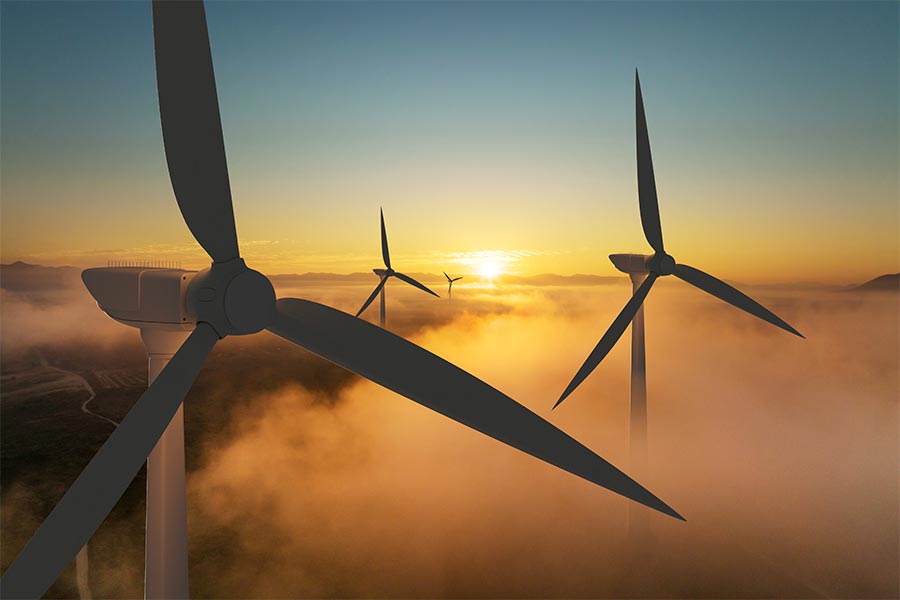
Wind remains Ireland’s largest renewable energy source, accounting for almost half of all renewable energy supplied during the year.
Solar saw strong growth, accounting for 6% of renewable energy supply, with usage rising 50% since 2024 and 150% since 2023.
Heat pumps, biomass and biofuels also contributed to growth in renewable energy supply, meaning that almost two-thirds (64.9%) of all energy produced within Ireland now comes from renewable sources.
 Wind and solar use both increased in 2025.
Overall, Ireland’s energy requirement decreased 2.2% compared with 2024 while energy-related emissions fell by 3.7% to its lowest level in more than three decades.
The UK remained Ireland’s largest supplier, accounting for more than half (55.5%) of all energy imports in 2025, followed by the US (16.9%) and EU countries (16.2%).
(Pic: Getty Images)