
It was a different drug – Viagra – that inspired the first online prescription businesses. The shame attached to erectile dysfunction meant patients were often reluctant to talk to their GPs. Internet-savvy doctors stepped into the breach, and gradually branched out into other stigmatised areas such as hair loss, menopause, depression, anxiety and ADHD.
Alongside GLP-1s, these are still the big sellers for private practitioners – both on and offline. But reliable statistics are hard to find. Whereas every single NHS prescription is meant to be recorded (anonymously) in the national data, and the prescription record of each GP surgery is publicly accessible, private prescriptions are not collated nationally.
This lack of oversight undoubtedly leads to some dubious practices. Xanax, a highly addictive tranquilliser that NHS doctors are not allowed to prescribe, seems to be doled out privately in fistfuls, like Hallowe’en sweets. NHS doctors complain about having to undo the damage caused by over-medicating private companies.
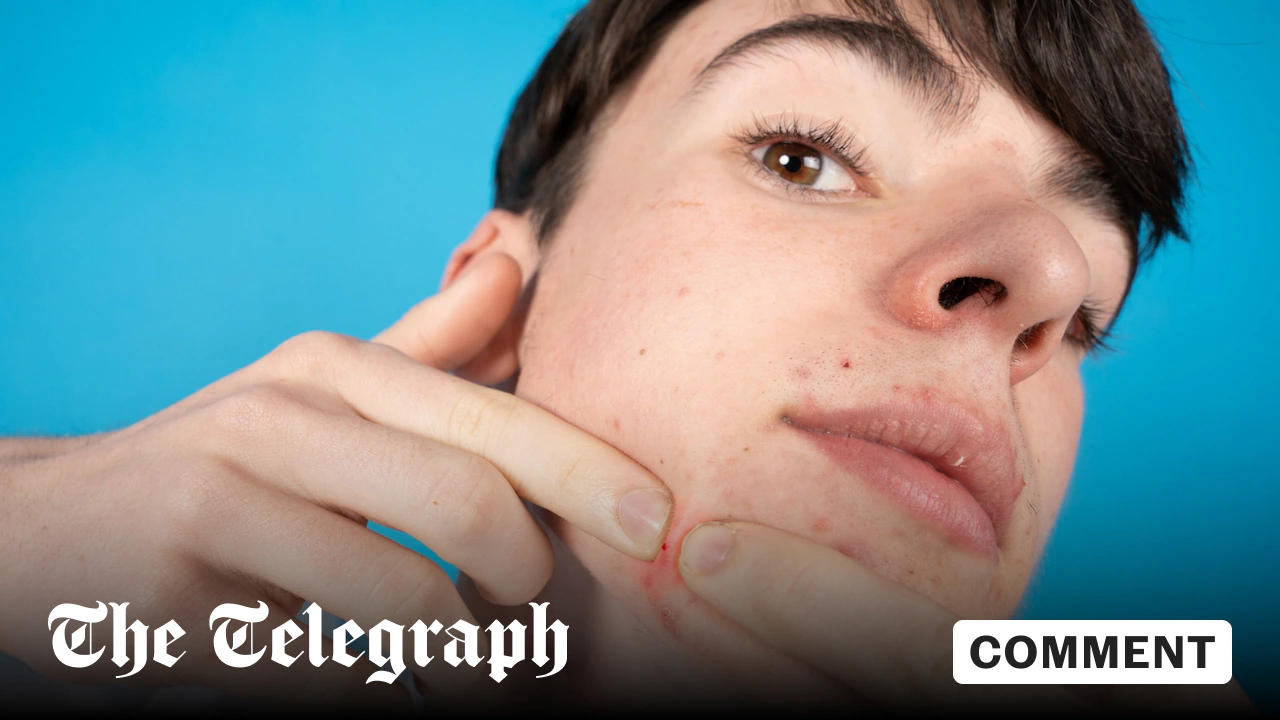
And yet, that liberality can be such a blessing. “She’s the only person who’s ever said she can cure it,” rejoiced my son, after our first appointment with the private dermatologist. And cure him she did, with a nine-month course of Roaccutane. My only regret is that I let him suffer for three years before throwing money at the problem.
Those who worry that the UK is developing a two-tier health service are correct, but also too late. Private healthcare has already colonised the system via our deepest insecurities, about beauty and weight and sexual performance. The class divide is now written on our bodies – and on the smooth, spot-free faces of those who can afford it.