
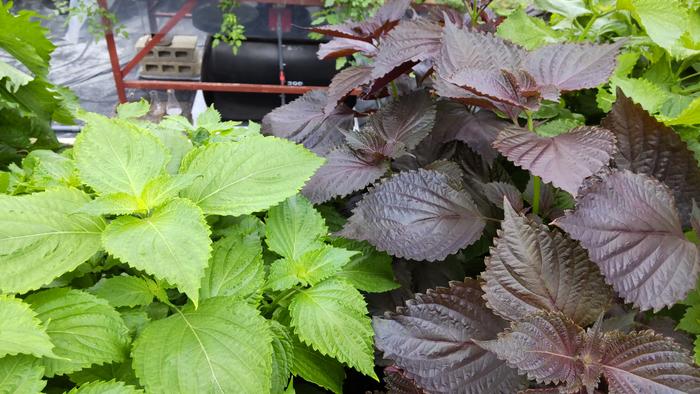
How can gene editing be used to improve plant health benefits? This is what a recent study published in Frontiers in Plant Science hopes to address as a team of scientists investigated a novel method for plant gene editing. This study has the potential to help scientists, farmers, and the public better understand the benefits of gene editing for plants and how it could be used to enhance the pharmaceutical and food industries.
For the study, the researchers used the CRISPR-Cas9 gene editing technology to modify a color gene in the flower perilla to change the latter from red to green. The primary motivation behind the study was to unlock the more than 400 known bioactive compounds within perilla, including anti-inflammatory agents and antibacterial molecules, to use them for producing useable compounds for the food and pharmaceutical industries. In the end, the researchers found the color changes were almost immediate, indicating gene editing could be used for controlling metabolic processes within perilla.
“By modifying a single enzyme gene in red perilla, we have successfully changed the plant’s metabolism to increase its health-promoting compounds,” said Dr. Hidemasa Bono, who is a professor in the Graduate School of Integrated Sciences for Life at Hiroshima University and a co-author on the study. “Genome editing makes it possible to develop high-performance perilla with enhanced value for food and pharmaceutical applications. We hope to translate these findings into the development of high-value functional foods enriched with beneficial compounds and to explore the use of perilla as a new source of naturally derived pharmaceutical materials.”
This study comes as gene editing, and specifically with CRISPR, is increasingly becoming an effective means for editing plant genes for industrial and commercial applications, specifically compared to traditional Genetically Modified Organisms (GMOs). This is because CRISPR demonstrates greater precision, edits specific genes, and leaves zero foreign DNA behind.
What new insights into plant gene editing will researchers make in the coming years and decades? Only time will tell, and this is why we science!
As always, keep doing science & keep looking up!
Sources: Frontiers in Plant Science, EurekAlert!
Featured Image: Genome-edited perilla plants (left) with original red perilla (right). (Credit: Matsushita et al. / Hiroshima Prefectural Technology Research Institute)