
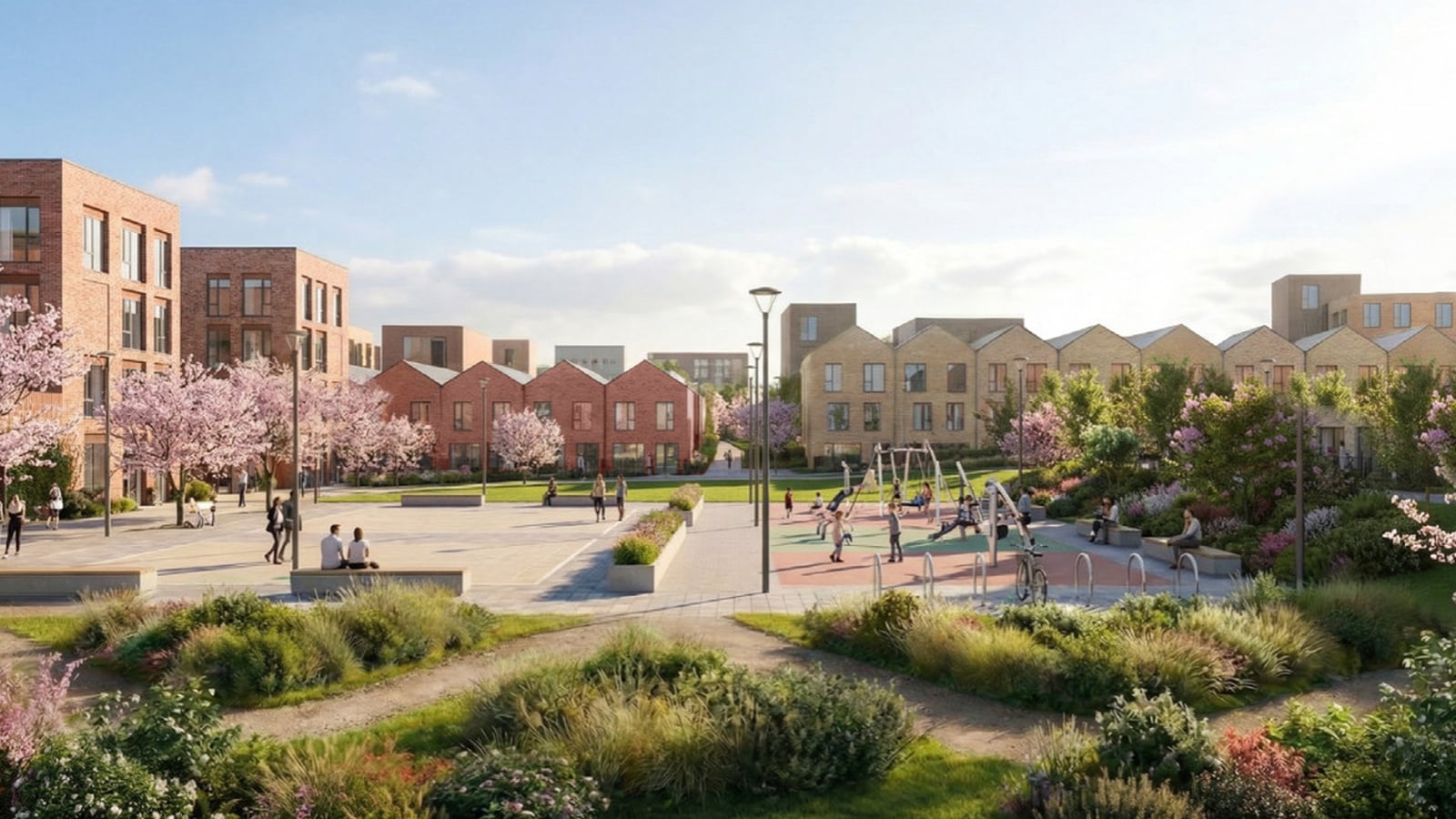
Fingal County Council has said its plan to build up to 18,500 homes on land surrounding a former dump in northwest Dublin is a once in a generation opportunity to develop the largest remaining landbank inside the M50.
But locals in the surrounding areas of Finglas and Ashtown say current plans for the new Dunsink Urban Quarter will put huge pressure on traffic and services in those areas.
A 1,000 acre site in west Dublin between Finglas and Blanchardstown, Dunsink was once home to the capital’s largest dump.
Fingal County Council is now planning to create a new suburb with up to 18,500 homes, a recreational area on the former landfill and a cultural quarter around the historic Dunsink Observatory.
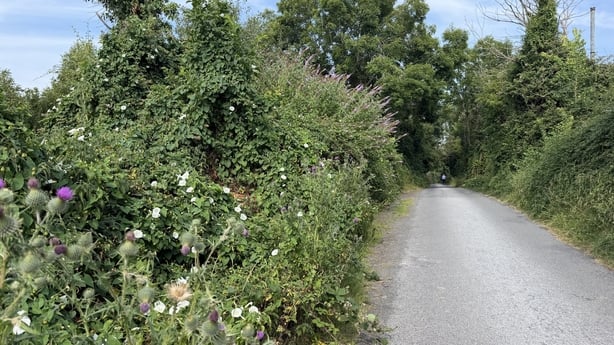
Scribblestown Lane is due to become one of the main entrances to the new urban quarter
Róisín Burke, Director of Services for Planning and Development at Fingal County Council, said the development is the largest the local authority has ever undertaken which will be massive in both scale and opportunity.
“It is a very ambitious plan of Fingal, the largest we have undertaken. But equally, it’s a long-term plan. It’s not going to happen immediately. We foresee the 15,000 to 18,000 homes coming along over the next 10 to 15 years. It will happen incrementally.
“We are seeking to provide homes here alongside schools, the social facilities, and everything else that goes with it.”
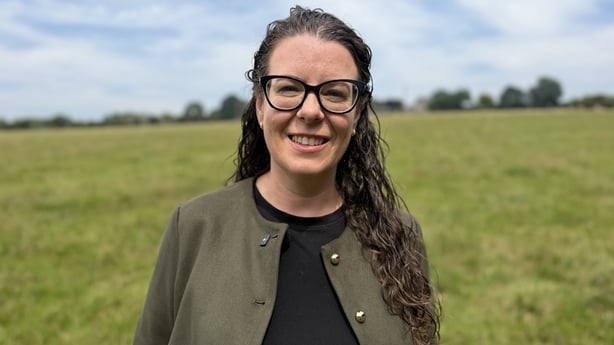
Róisín Burke is encouraging people to make their views known during the public consultation process
But locals in the bordering suburbs of Finglas and Ashtown are worried about the impact the development will have on traffic and services in the area, with more than 70 observations and objections submitted since the public consultation opened last month.
Niamh Lambert, who lives on Scribblestown Lane in Finglas which is due to become one of the main entrances to the urban quarter, said she is concerned about the scale of the development, which will see almost as many new homes built as already exist in the Finglas area.
“It’s going to have a huge impact on everybody in Finglas. They’re putting in 15-storey apartments overlooking people’s houses who’ve lived there for over 30-40 years.
“The first phase of development is coming through Scribblestown Lane, which is a very small country lane, and same with Dunsink Lane, which is again a very small country lane.
“They want to put in four lanes of traffic with bike lanes and pathways into this very small area. They’re going to take away the green space they have for the kids there and all this traffic is going to be coming back out onto Ratoath Road, which is already chock-a-block during work days.
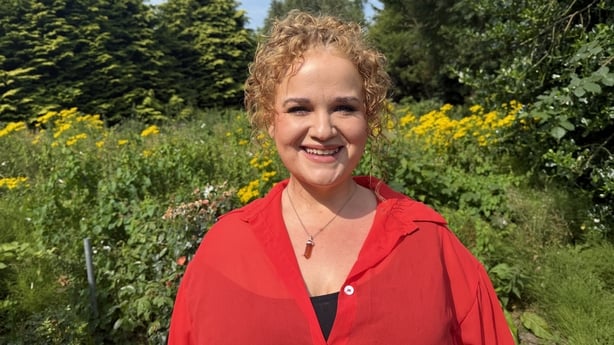
Local resident Niamh Lambert said she is concerned about the scale of the development
“It’s really hard to get out there at the minute. We also have a lot of developments happening along Finglas and Glasnevin. So the traffic is going to be astronomical,” said Ms Lambert.
The concerns are shared by local Sinn Féin TD Dessie Ellis who said turning the laneway into a road will impact on the biodiversity of the area that borders the Tolka Valley.
He also has concerns about plans to build a recreational area on the former dump, saying the landfill needs to be properly treated before it can be turned into parkland.
“The dump has been capped, and there has been a number of jobs done on the dump, but there needs to be further work done to make it absolutely secure and usable by people. So we need to be careful.
“In terms of Scribblestown Lane, we need to preserve the lane. It’s unique. We have all sorts of animals in this area, foxes, beavers, owls, and we’ve also all sorts of unique flora in this area. It should not be touched,” said Mr Ellis.
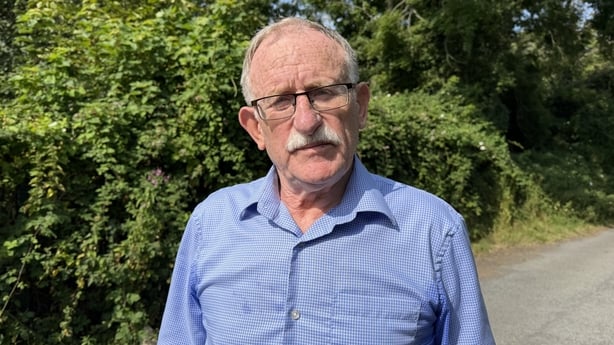
Sinn Féin TD Dessie Ellis is concerned about the impact on biodiversity
There was concern too about the future of three Traveller sites in Dunsink but Pavee Point say it is satisfied the draft plan commits to developing Traveller accommodation in Dunsink and that engagement between the 100 families who live there and the council is ongoing.
Ms Burke said the council will listen to people’s concerns and encouraged people to make their views known during the public consultation process that is currently under way.
“We acknowledge those concerns. Traffic is an issue that’s raised with us in any development that we undertake and that’s why it’s been considered from the outset. Extensive traffic modelling has already been undertaken in the preparation of the draft plan, and we’re looking at how people will move.
“We’re also working very closely with the transport authorities already around extending the existing bus routes to Finglas and to the city centre and to Blanchardstown, and the site is within a kilometre of two train stations, so public transport, bicycle and walking infrastructure and parking and traffic has been taken on board from the outset of this process.
“The upgrade of Scribblestown Lane is something we are proposing and that will be subject to further assessment. We’re aware of the lovely environment and the amenity that’s already provided there, and we’ll be working to protect that insofar as possible.
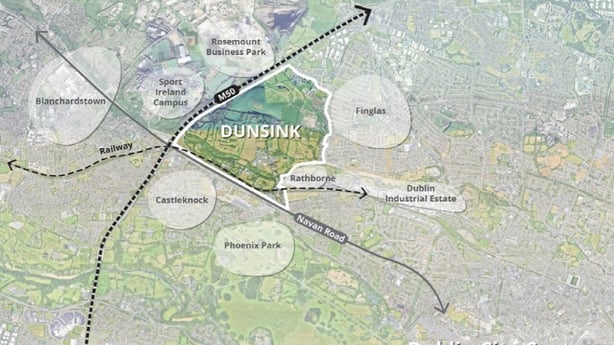
A map details the Dunsink land bank and the surrounding areas in Dublin
“The disused landfill is already under the auspices of the Environmental Protection Agency, and we, as the landfill owners, are already obliged to monitor and maintain the landfill as it is.
“It is proposed that that will become part of our regional park in the future, and that will require more work, which we will carry out in conjunction with the EPA and in line with best practice. We have already done this at a former landfill in Balleally outside Lusk, so we have that experience, and we intend to mirror that here in Dunsink.
“Now that it’s open for consultation, we welcome any comments on it. There is an opportunity for this draft to be amended to reflect those local concerns or anything else that arises out of the consultation. It’s a real opportunity for everyone to get involved to make their comments,” added Ms Burke.
The overall plan for Dunsink will take 10-15 years to develop and, if fully realised, will deliver more households than are currently in the whole of Co Longford.
Construction of the first 2,500 homes could get under way within three years and the public consultation on the plan is open until 31 July.