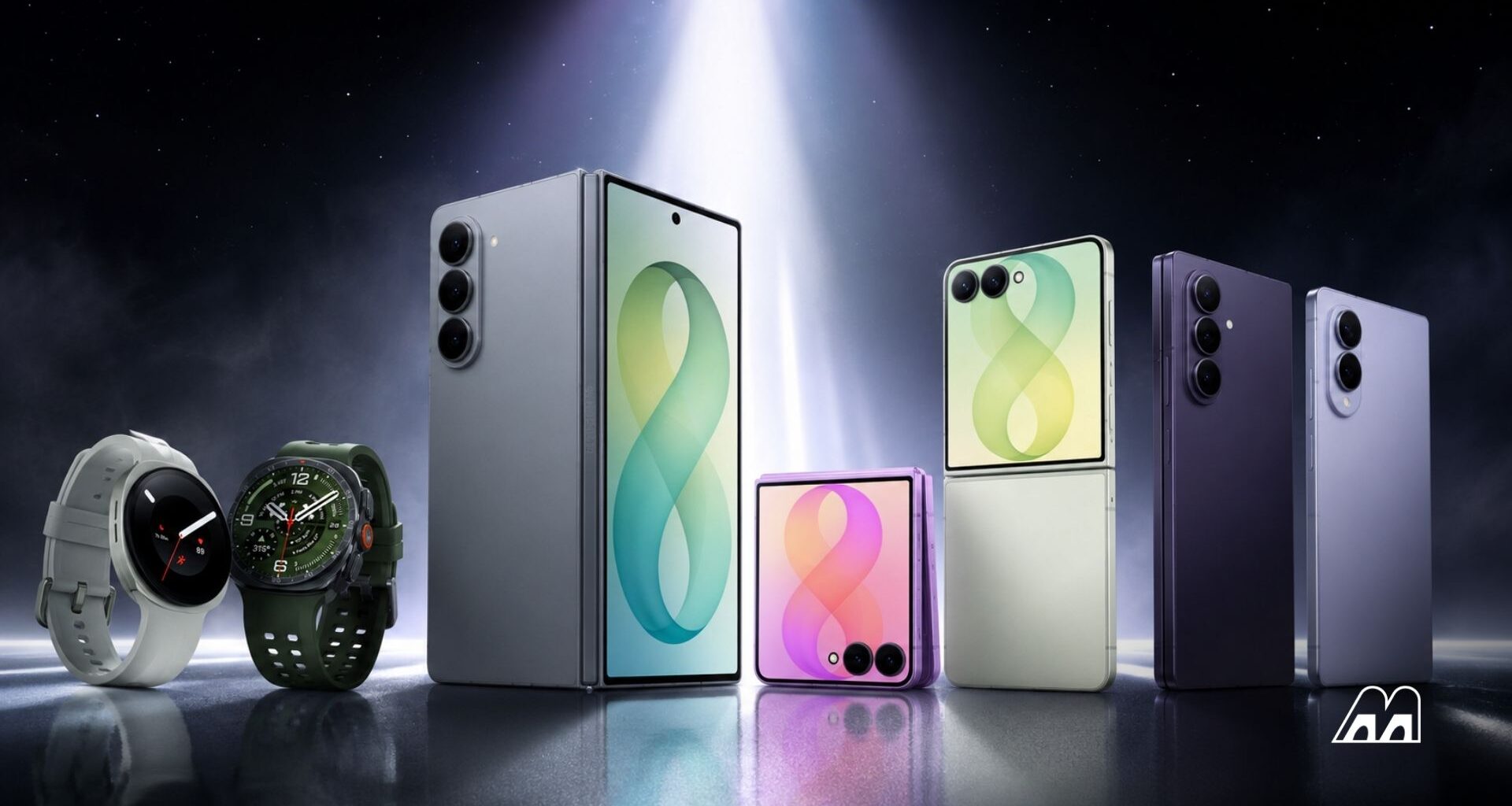
Samsung hasn’t officially shown anything yet — but it barely needs to. A wave of leaked renders just exposed the company’s full Galaxy Unpacked 2026 lineup. Five devices launch on July 22 in London. And one of them — the Galaxy Z Fold 8 Ultra — might change how we think about foldable phones.
The Fold 8 Finally Ditches the Tall, Narrow Look
For years, Samsung’s Galaxy Z Fold series had one persistent complaint: the cover screen felt too narrow to use comfortably. That’s apparently changing with the Galaxy Z Fold 8.
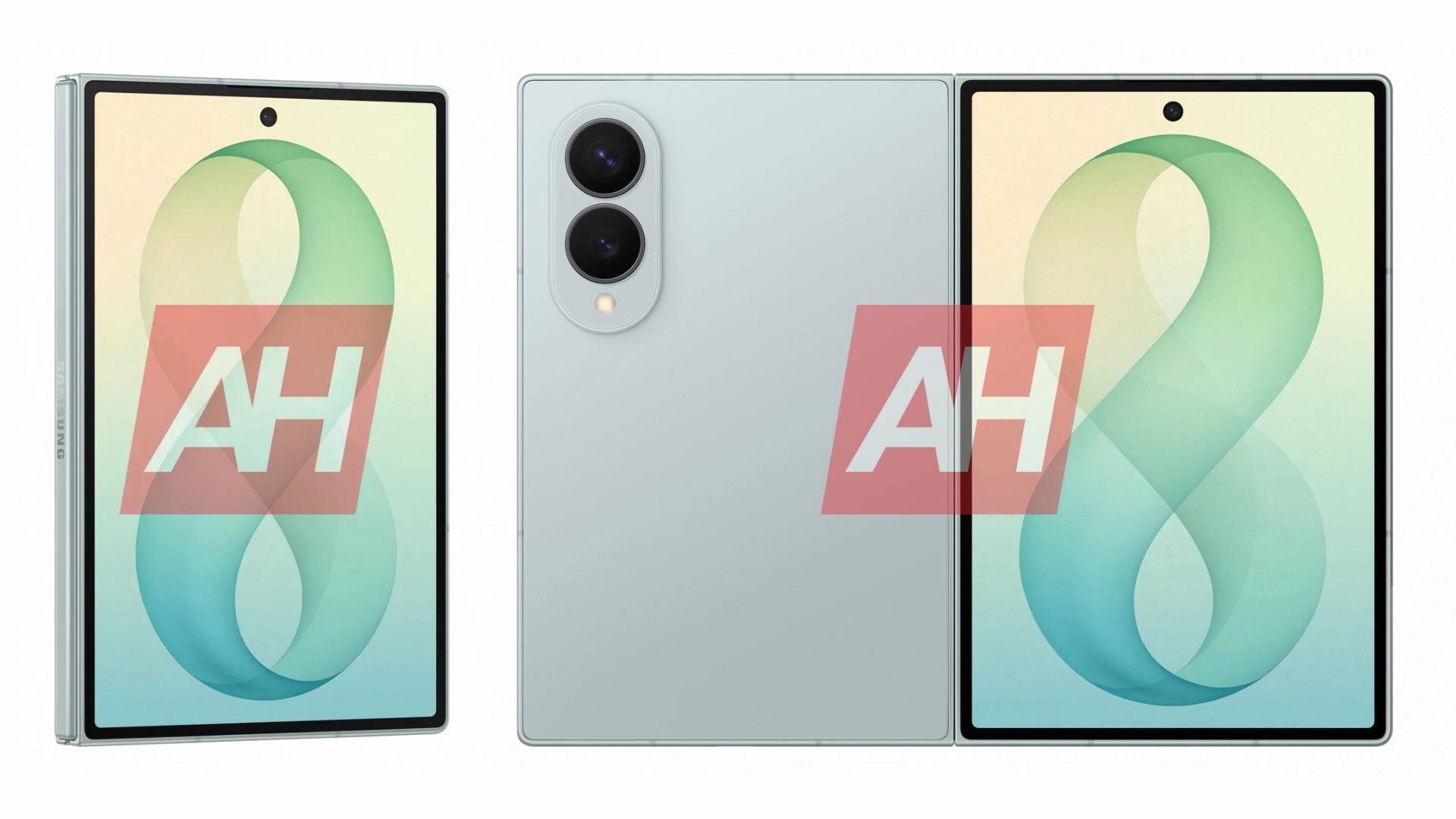
Leaked images first shared by Android Headlines tell the story. The Fold 8 adopts a wider, shorter body — closer to a passport than a TV remote. The cover display grows to 5.5 inches at a 16:10 ratio. The inner folding screen stays at 7.6 inches but shifts to 4:3. In plain terms, you can finally type with both thumbs on the outer screen. Past Fold owners couldn’t do that without awkward stretching.
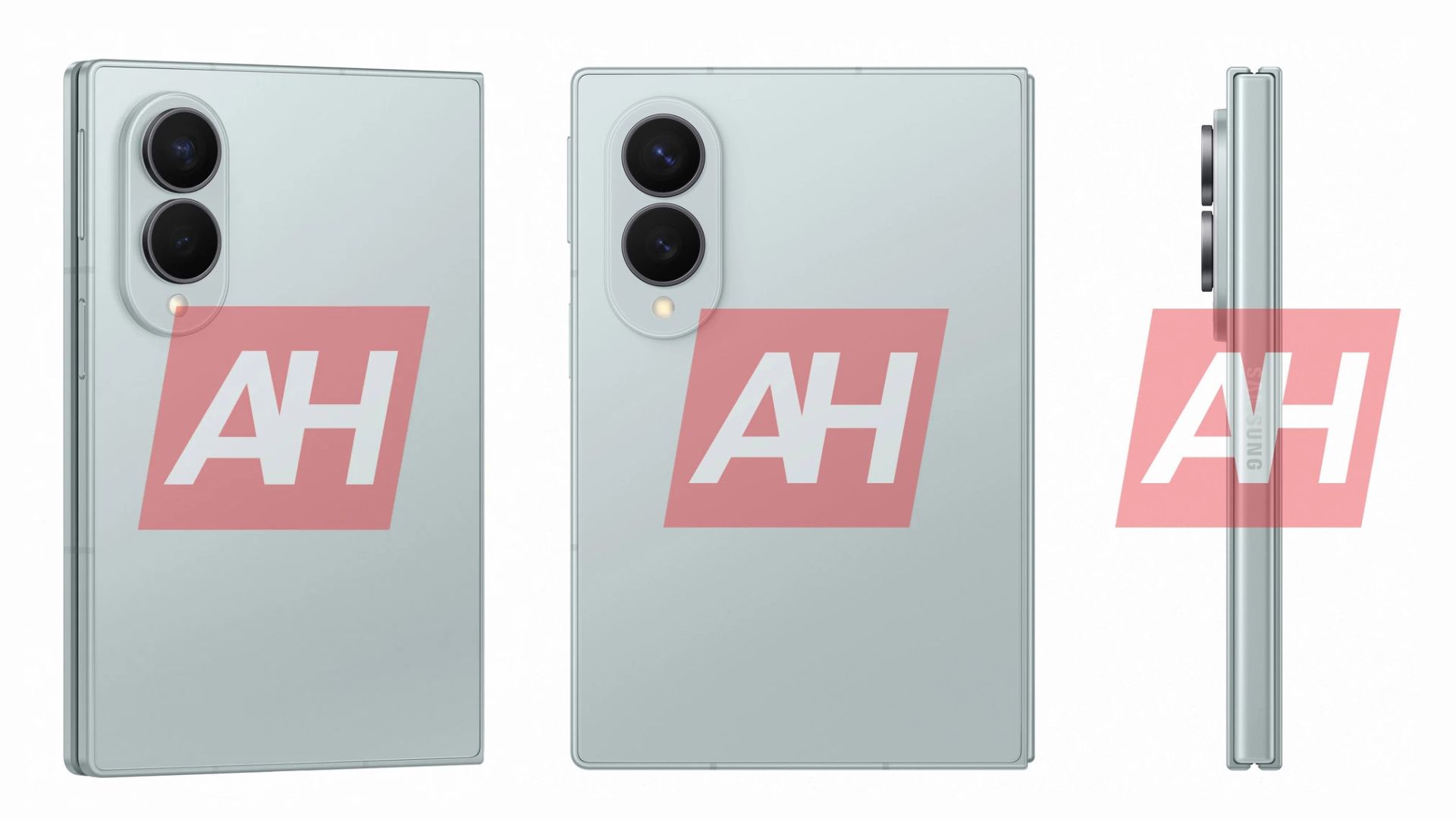
Qualcomm’s Snapdragon 8 Elite Gen 5 for Galaxy powers the phone, paired with 12GB of RAM. Colors include Cream, Graphite, Lavender, and an online-exclusive Pistachio. This marks the most meaningful form factor change the Fold line has ever seen.
The Ultra Brings a Creaseless Display — and That’s a Big Deal
The Fold 8 tackles usability complaints. The Galaxy Z Fold 8 Ultra tackles durability skeptics. Tipster Momentary Digital posted a video on Weibo. It shows the Ultra’s inner display with virtually no visible crease — even after repeated folding.
That’s significant. The crease has been the foldables’ most visible weakness since the category launched. Chinese brands like HONOR and OPPO have made progress here. But if Samsung delivers a truly creaseless experience on a mass-market flagship, it sets a new benchmark.
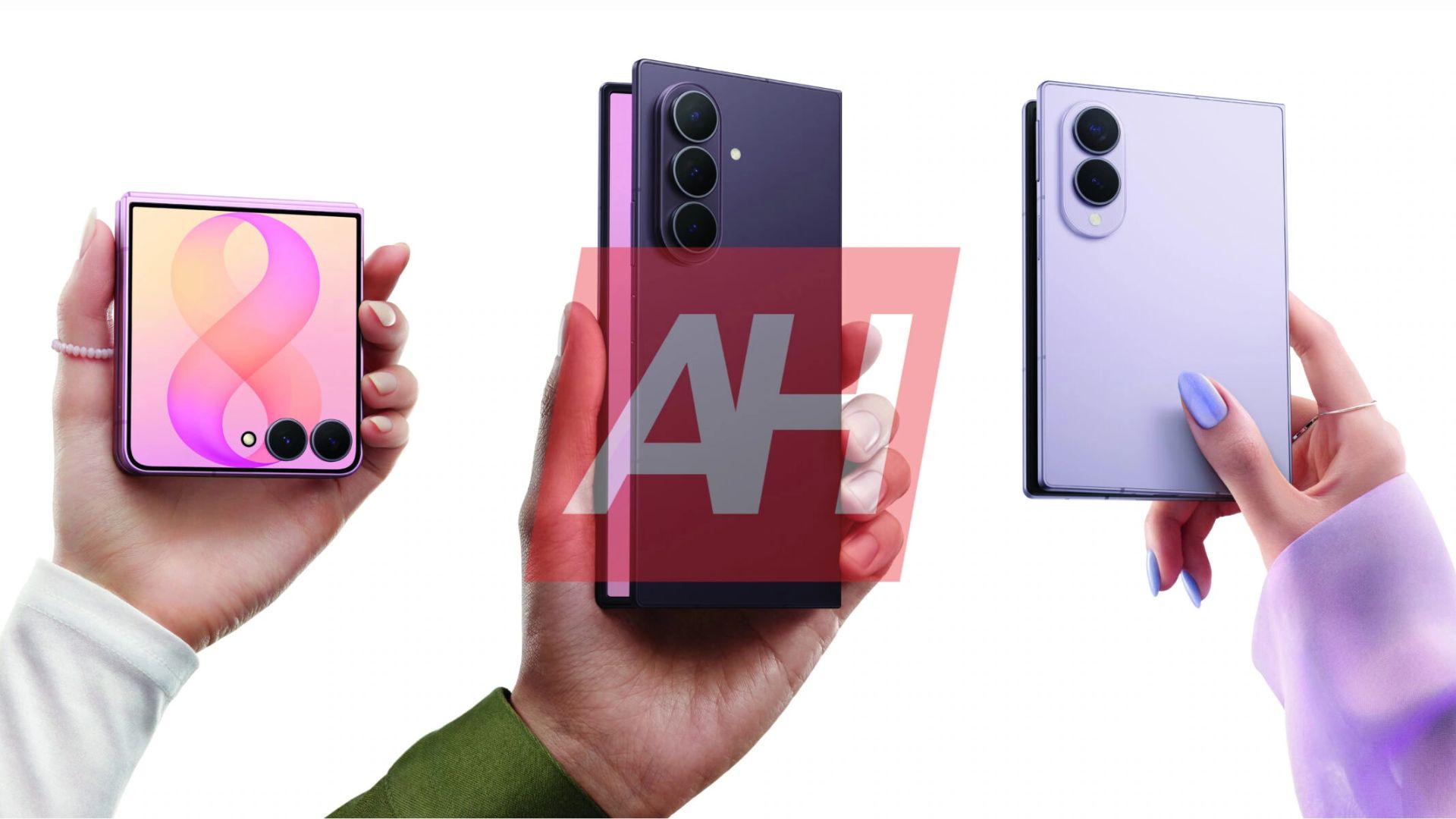
Spec-wise, the Ultra packs an 8-inch LTPO OLED inner display at QHD+ with 2,600-nit brightness. It also carries a 200MP main camera, a 5,000mAh battery, and up to 1TB of storage with 16GB of RAM. Samsung clearly aims to rival the iPhone 18 Pro Max — at a price that could start around $2,099.
The Flip 8: Playing It Safe, and That Might Be the Problem
Meanwhile, the Galaxy Z Flip 8 looks like more of a refinement than a reinvention. Renders show it in white, gray, and pink, with an online-exclusive Mint color. Under the surface sits a 4,300mAh battery — unchanged from last year. Some markets may also get an Exynos 2600 chip instead of the Snapdragon.
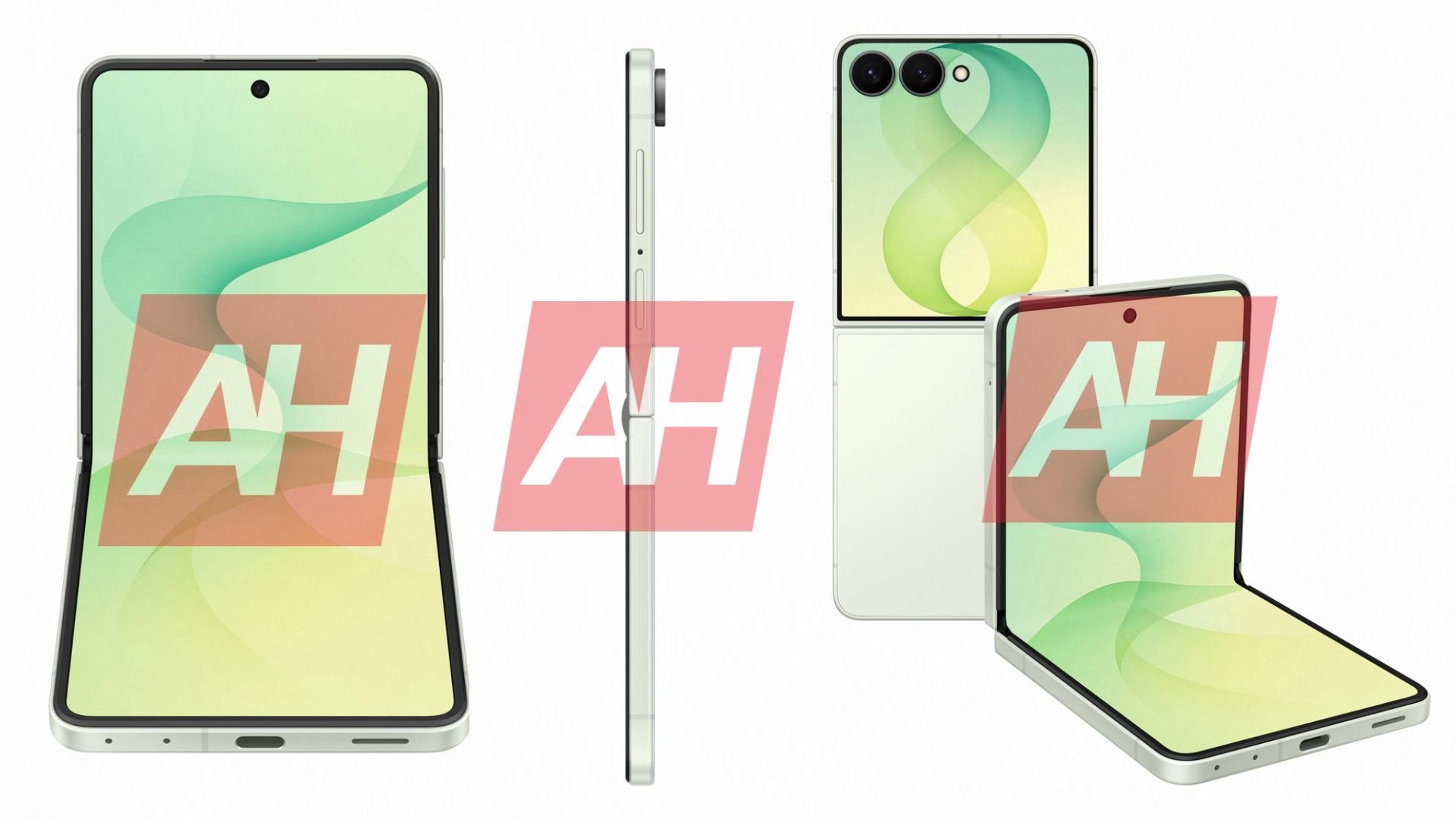
The bigger issue is price. European leaks put the Flip 8 at 1,299 euros for 256GB — a 100-euro bump over last year. Motorola and OPPO now sell competitive flip phones under $800. Samsung is betting that brand loyalty justifies the premium. We’re not entirely convinced. Without a clear spec leap, Samsung risks pricing out the casual buyers who made the Flip popular.
Watch 9 and Watch Ultra 2: Familiar Faces
On the wearable side, the Galaxy Watch 9 and Watch Ultra 2 look like evolutionary updates. The Watch 9 keeps the Armor Aluminum 2 case and Exynos W1000 chip. It comes in 40mm and 44mm sizes starting around $350.
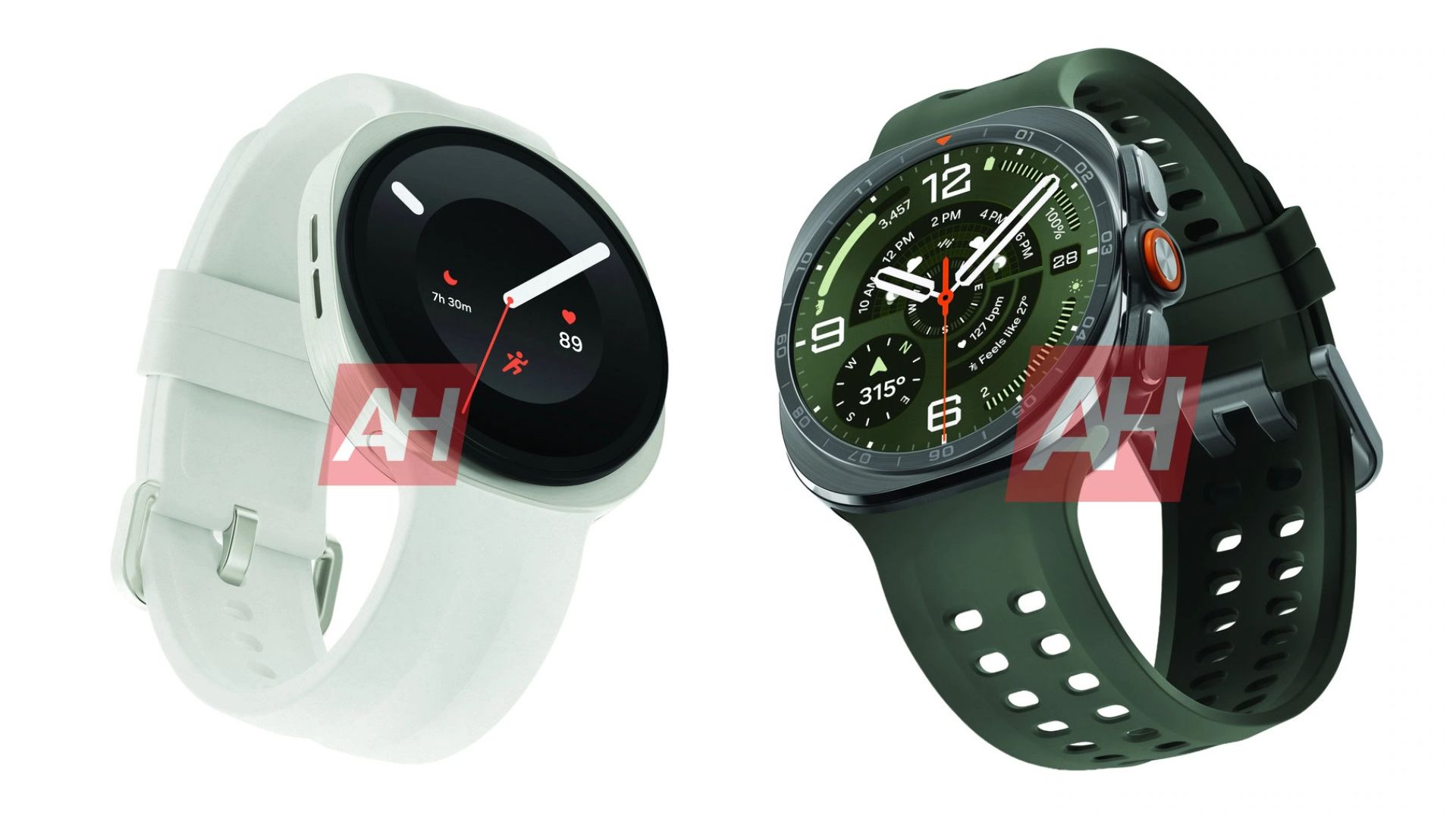
The Watch Ultra 2 is more interesting. Leaks point to a roughly 30% larger battery (around 800mAh), addressing the biggest complaint about Samsung’s rugged smartwatch. Pricing reportedly climbs to around $857. That puts it in Apple Watch Ultra territory. And it raises a fair question: does Samsung’s wearable ecosystem justify that cost? Samsung is pouring resources into its Samsung Gaia AI chip for PCs. The watch may not get the same focus.
What This Leak Really Tells Us
Samsung’s leak problem is almost a tradition at this point. But beyond the frustration for Samsung’s marketing team, these leaks reveal something important about strategy.
Splitting the Fold line into standard and Ultra mirrors the Galaxy S27 lineup‘s approach. It signals a broader industry trend: foldables are no longer experimental. Samsung now segments them like traditional smartphones with clear “good, better, best” tiers.
Whether that works depends on execution. The crease-less display could be 2026’s biggest reason to buy a foldable — if it holds up in the real world. But at $2,099, Samsung asks buyers for a serious commitment. The Galaxy Z Fold 8 release date is just one week away. That’s not much time to decide.
FAQsWhat processor does the Galaxy Z Fold 8 use?
The Fold 8 runs on Qualcomm’s Snapdragon 8 Elite Gen 5 for Galaxy — the same chip powering several 2026 flagships. Samsung pairs it with 12GB of RAM for dual-display multitasking. The AI chip market race keeps intensifying across mobile and data center segments.
How does the creaseless display work?
Samsung hasn’t shared technical details yet. The display likely uses an improved hinge mechanism and a more flexible OLED panel material. Leaked video shows the inner screen lying nearly flat with no visible fold line. That’s a major step forward for foldable technology.
Can you watch Samsung Galaxy Unpacked 2026 live?
Yes. Samsung confirmed the event for July 22 at 9 AM ET in London. The tagline reads “A new shape unfolds.” Samsung will stream it on its website, YouTube, and social channels. The company typically opens pre-orders the same day, often with early trade-in deals on mid-range models.
Is the Galaxy Watch Ultra 2 worth upgrading to?
If you own the original Watch Ultra, the bigger 800mAh battery is the main draw — roughly a 30% increase. The design stays virtually identical. First-time buyers should compare it directly with the Apple Watch Ultra at a similar price. Your phone ecosystem makes the final call.
What colors are exclusive to Samsung’s online store?
Samsung sells the Galaxy Z Fold 8 in Pistachio and the Galaxy Z Flip 8 in Mint. Both are exclusive to Samsung.com. Carriers and retail stores won’t carry them. You’ll need to buy directly from Samsung.
Vincee Cole is a technology journalist with four years of experience covering the full spectrum of modern tech — from consumer devices, artificial intelligence, to quantum computing, blockchain, and digital assets. His reporting cuts through complexity to deliver stories that are sharp, grounded, and relevant to both general readers and industry insiders. Previously, he worked with fintech research teams across Southeast Asia, analysing how emerging technologies are reshaping financial systems at scale.