
Buying an SSD has been painful for a while now. Prices are climbing, cheap capacities are disappearing, and even Valve recently blamed rising memory and storage costs for a huge Steam Deck price increase (and a lackluster Steam Machine launch).
But… there’s a new and interesting supply of SSD storage: handheld consoles.
The unexpected magic of OEM pulls
The cheapest Steam Deck was practically begging to be opened
The original Steam Deck lineup makes the whole thing easier to understand. Valve launched the LCD model in three versions: a 64GB eMMC model for $399, a 256GB NVMe model for $529, and a 512GB NVMe model for $649. There was no official 128GB version.
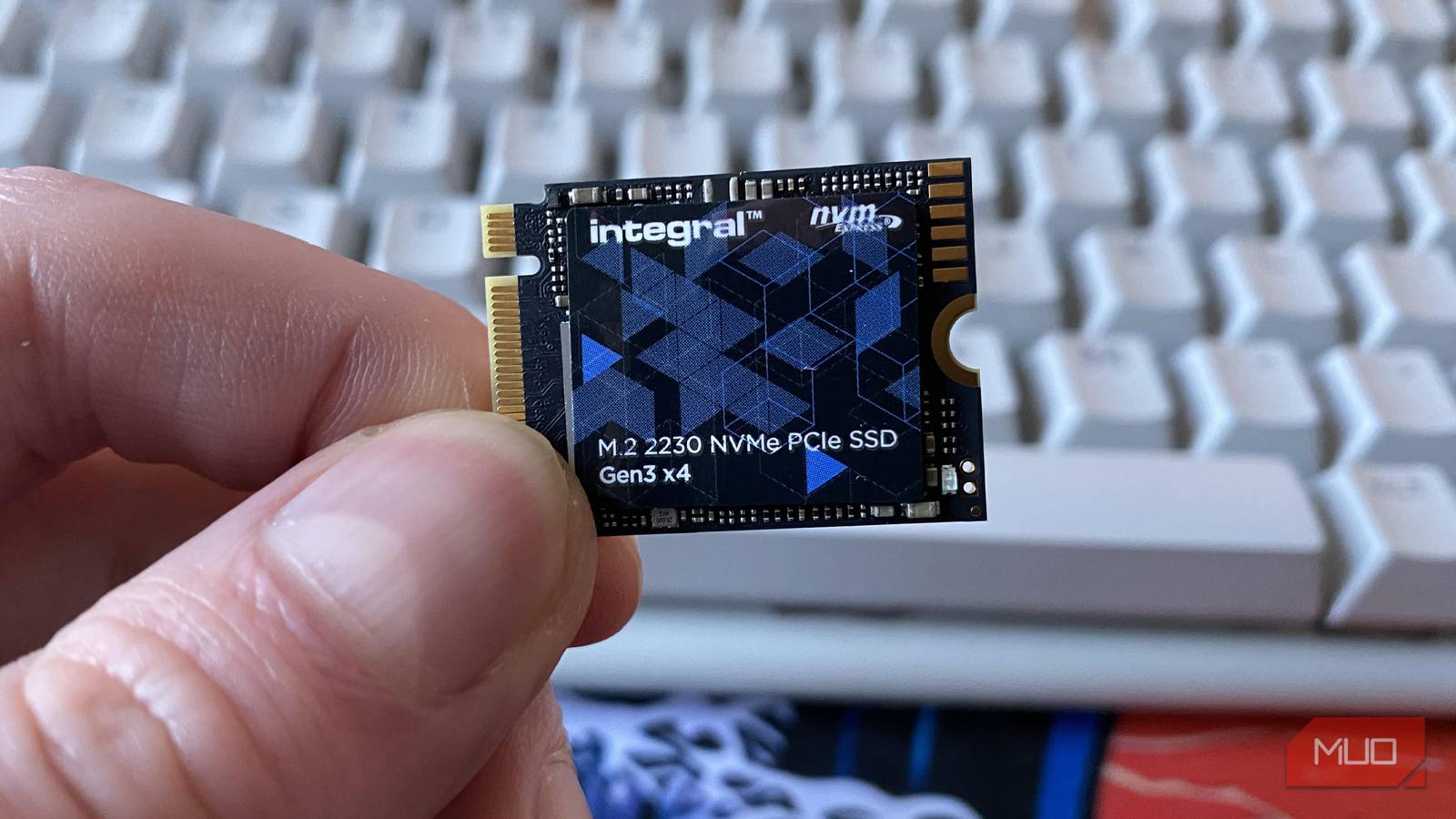
That 64GB base model is important. It did not contain a conventional NVMe SSD, but its eMMC storage still came on a removable M.2 2230 module. You could open the Deck, remove that tiny module, and replace it with a proper 2230 NVMe drive. The pricing made the idea tempting and very practical. Moving from the 64GB model to the 256GB model cost an extra $130 at launch. But you could just get the 64GB model and upgrade it to a higher capacity yourself for much less (SSDs were much cheaper back then too).
A lot of people did exactly that. 64GB was barely enough for SteamOS, shader caches, updates, and a handful of smaller games. Buying the base model and replacing its storage quickly became one of the most popular ways to get a cheaper Steam Deck. This was also the case with the 256GB version, and it applied to other handhelds too.
Good for them. The part we care about, though, is that there were suddenly tons of barely used SSDs that had been pulled from handhelds only hours after unboxing. These extra drives all made it to the used market, where they were dubbed “OEM pulls.”
These drives are called used
But no one’s really used them
Marketplaces usually describe these drives as OEM pulls, system pulls, or simply used SSDs. A system pull is not automatically pristine, but it can be very different from the SSD inside a five-year-old desktop. Some were removed because the original owner wanted more capacity before they had even finished setting up the device. Others come from businesses that buy new systems and replace the included storage as part of deployment.
That is how a drive can technically be used while showing almost no meaningful wear. It may have only a few power-on hours, a small number of writes, and close to its full remaining health.
The handheld market has been particularly good at producing these unwanted drives. A 256GB SSD is enough for Windows or SteamOS, but not enough for someone trying to carry a large PC game library. The factory drive comes out, a 1TB or 2TB replacement goes in, and the 256GB module ends up on eBay for a significantly lower price.
A Kioxia 256GB 2230 SSD costs $152 new on Newegg. An OEM-pull Kioxia 256GB 2230 SSD costs $30 on eBay. That’s an 80% discount! Even cheaper, the same seller has listed 128GB models for $18. That’s 128GB of barely used, fast storage for the price of a meal.
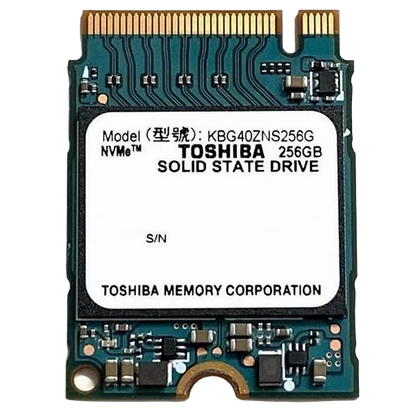
Storage capacity
256GB
Hardware Interface
M.2
That’s a lot of money for a tiny SSD!
Before buying anything, check that the listing is actually for an NVMe drive. M.2 describes the physical connector and shape, not the storage protocol. Read the listing and talk to the seller first. eBay makes returns very easy, but it’s best to save yourself the headache in the first place.
But what use is a 2230 SSD?
It’s a normal NVMe drive with a very short body
Amir Bohlooli for MUO
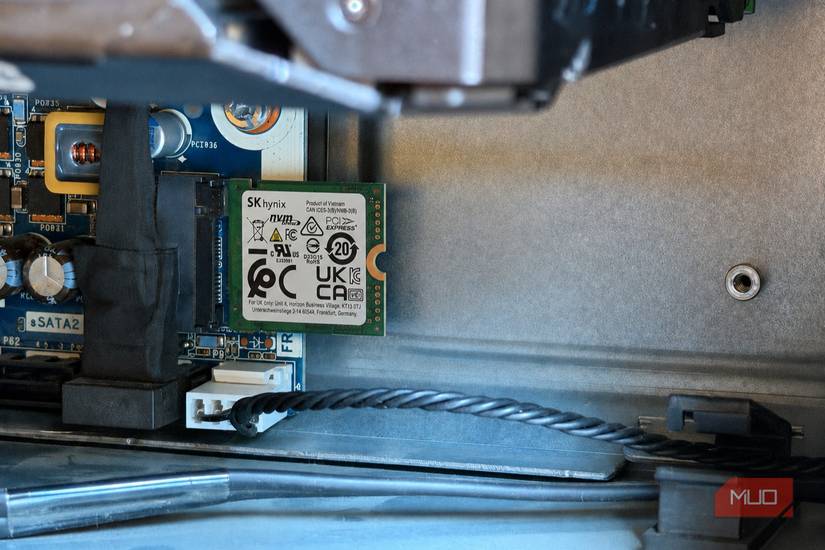
The 2230 in the name means that the drive is 22mm wide and 30mm long. The more familiar desktop M.2 2280 format is the same width but stretches to 80mm. In many cases, that shorter physical length creates a compatibility problem. So, what can you do with it?
You could use one directly inside a Surface laptop (or another compact laptop), tablet, handheld, or mini PC. Lots of these machines were designed around the 2230 format, so the drive fits without any modification. I know that the Microsoft Surface Laptop 5 takes these.
Of course, you could also install one directly on a desktop motherboard. The connector (the 22 part) will accept the drive perfectly, but a 2230 SSD will not reach the screw post intended for an 80mm drive. You could just leave the SSD dangling (I’m joking, don’t do that), or you could get a simple metal extension bracket for very little money. This extension bracket gives it the missing length and lets you secure it at the normal 2280 mounting point.

Related
I stopped using USB flash drives for transfers because this is so much faster
Flash drives are convenient but NVMe SSDs are in a different league.
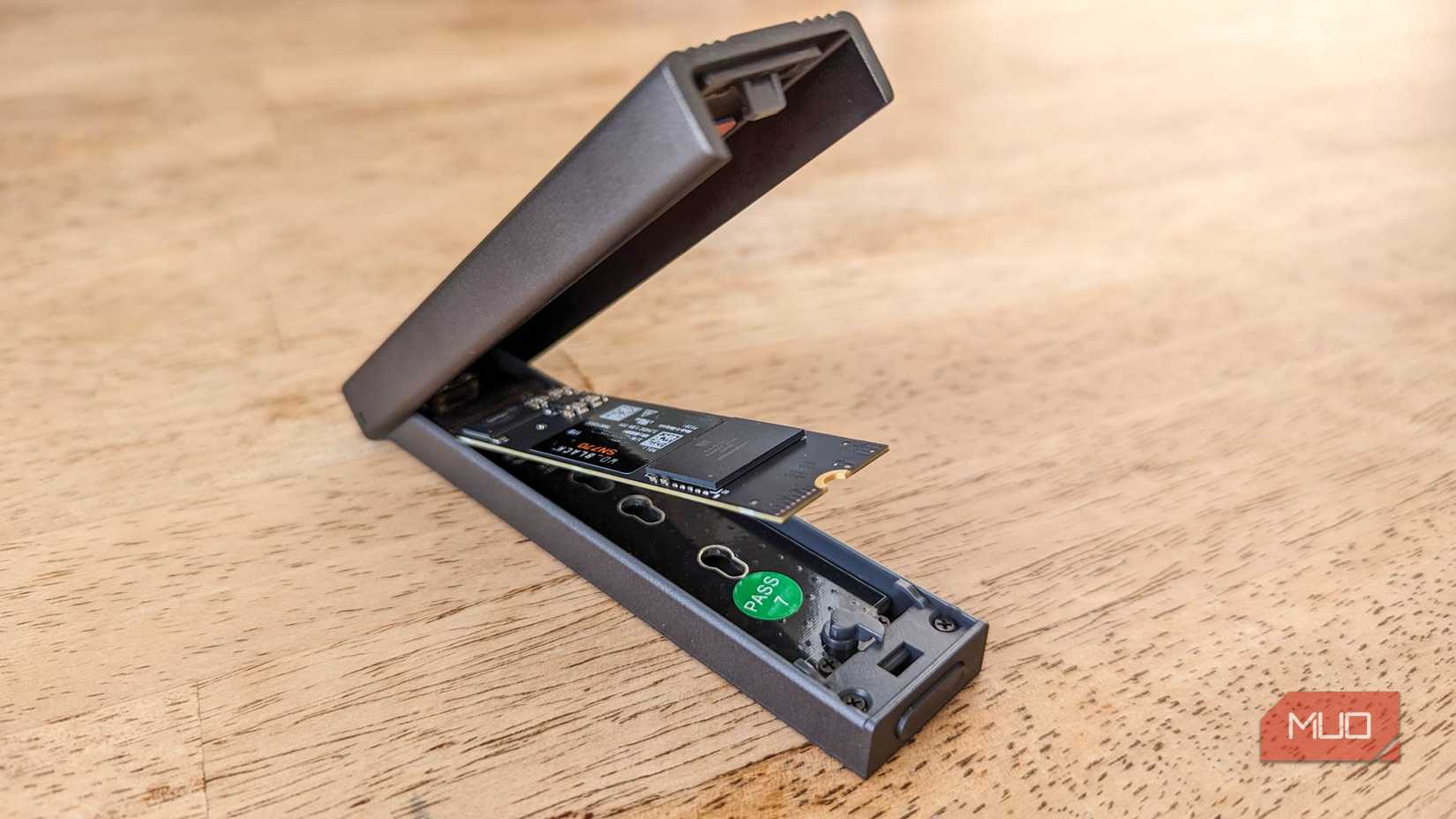
I like the external-drive idea even more. You could put a cheap 2230 pull inside a small USB-C NVMe enclosure and build something closer to a real portable SSD than a normal thumb drive. It will usually handle sustained transfers better, and an aluminum enclosure can pull heat away from the SSD controller. Your final speed will still be limited by the enclosure and USB connection, but it can be a much nicer tool than a flash drive.
Jordan Gloor / MakeUseOfCredit: Jordan Gloor / MakeUseOf
A 128GB pull placed inside an SSD enclosure can easily make for a completely portable computer setup. You can install and boot the OS from it, install your apps and everything else, and simply carry it with you. Then, whatever computer you’re using, you can boot from your drive and have your exact setup right there. Or, if not the OS, at least keep some portable apps handy on it.
Warranty support is another weak point. An OEM SSD may originally have been covered only as part of the computer it came from, and you can be almost certain that the manufacturer will not cover it once it has been resold separately. But then again, it’s $20. What warranty?
Enjoy the hyper-budget storage window while it lasts
It’s funny that this surplus exists during a broader storage shortage. Valve is raising prices, phone makers are raising prices, and everything is getting more expensive. That makes a tested 256GB NVMe drive selling for around $30 look strange.
These prices will only last as long as someone else wants to upgrade their storage to 2TB. New handhelds are shipping with larger base drives, and fewer people will immediately remove a perfectly usable 1TB SSD. For now, though, the system-pull market remains one of the cheapest ways to get a small NVMe drive.