
Welcome to Fast Company Daily, our daily newsletter on LinkedIn, featuring a free article selected each day by our editors as well as a roundup of great advice on careers, hiring, innovation, and technology.
Visit fastcompany.com for our top stories and breaking news. First time seeing this? Please subscribe.
At work, there are good days and bad days. But if you were to ask users on TikTok, every day at a 9-to-5 job is a battleground.
“Tomorrow is my first day ever working a corporate 9-5, pls tell me everything I need to prepare for,” a user shared on TikTok in a video that has since garnered 910,000 views.
Most of the responses painted the workplace as an isolating Big Brother-like world lacking trust and human connection. The comments echo Gen Z’s ongoing disillusionment with traditional or outdated professional cultures.
Watch more Fast Company video content here and read more about the source of Gen Z workers’ isolation.
Stats show LinkedIn’s ‘Open to Work’ badge works. Designers say it could be even better
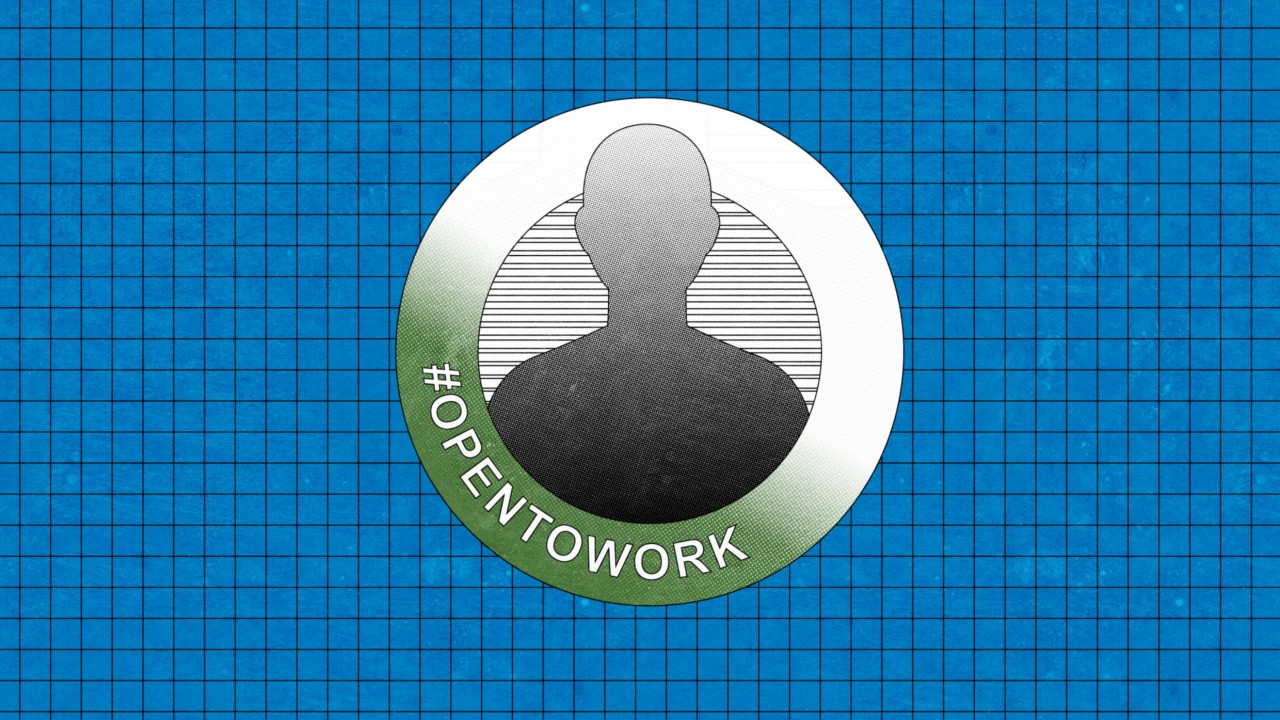
If you’re a LinkedIn user, you recognize it instinctively: Anyone with a green ribbon around their profile picture is in the market for a new job, and they want everyone to know it.
LinkedIn’s “Open to Work” badge, which has now been part of the platform for six years, has become a distinct visual shorthand for frequent posters on the platform. Recently, however, its merits have come under fire.
On July 19, Ben Lang, an engineer at the AI coding platform Cursor AI, took to X with a message for his followers. “Tip: never use the green Open to Work badge on LinkedIn,” the post reads. “Negative signal for hiring managers and recruiters.”
The post has since amassed more than a million views and hundreds of comments, and notched a featured post under X’s trending topics.
This isn’t the first time LinkedIn’s Open to Work badge has attracted debate. In fact, the discourse has been ongoing for years, with commenters generally falling into two camps: One side argues the design of the badge gives off an “air of desperation” to recruiters; the other views the badge as a crucial tool for grabbing recruiters’ attention on the crowded platform.
According to LinkedIn, more than 60 million users currently have the public #OpenToWork frame on their profile pictures. Those members, it says, are nearly two times as likely to get a message from a recruiter than those who don’t. They’re also finding jobs more than 20% faster than job seekers who don’t display the Open to Work badge.
LinkedIn’s data appears to show that the Open to Work profile badge does its job—but its enduring negative reputation signals that it might still be time for a redesign.
Read the full story on Fast Company.