Samsung just threw out its entire foldable playbook. The Galaxy Z Fold 8, unveiled at Galaxy Unpacked in London on July 22, swaps the tall, narrow shape Samsung’s been using since 2019 for something that looks and feels like a passport. Here’s what the shift means for you — and why every foldable phone coming after this will probably look the same.
What Samsung Actually Changed
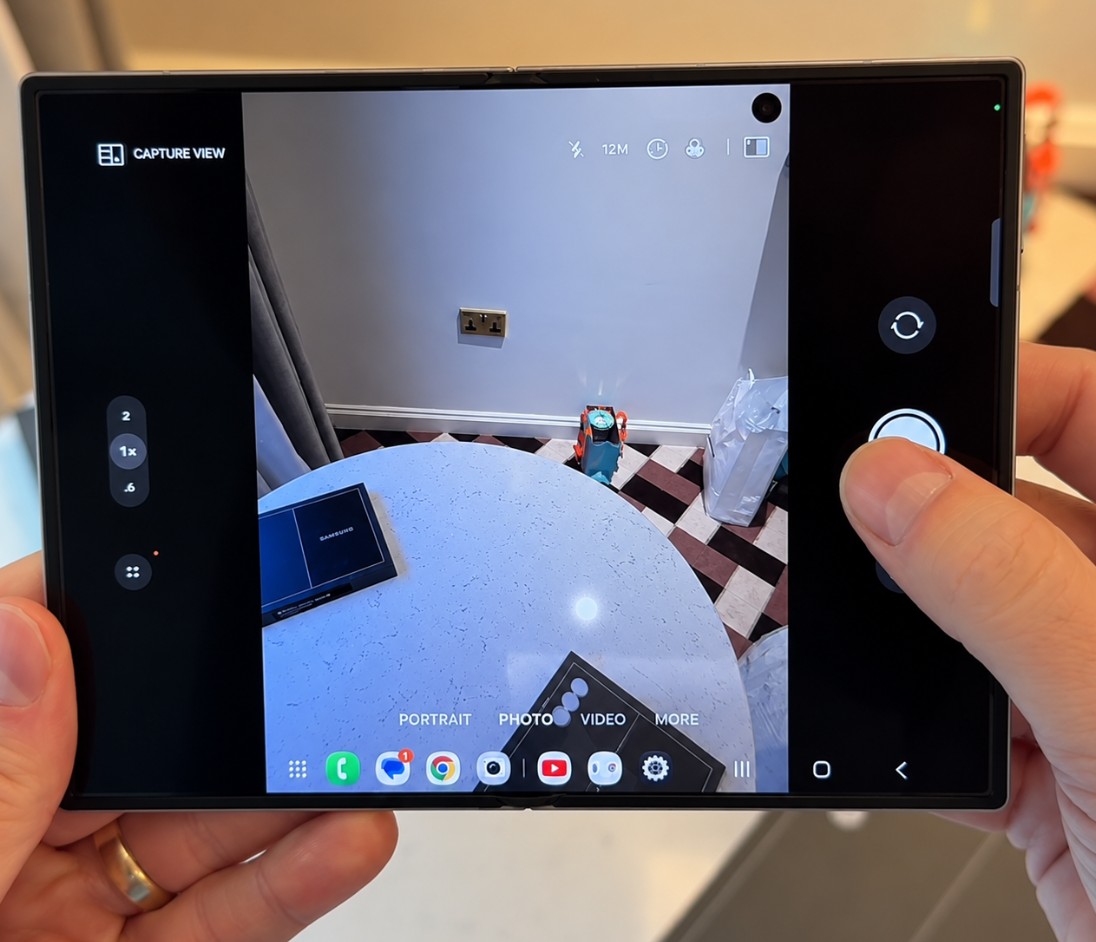
The Galaxy Z Fold 8 doesn’t look like any foldable Samsung has ever made. Unfolded, you get a 7.6-inch AMOLED screen with a 4:3 aspect ratio — wider than it is tall, closer to an iPad mini than a smartphone. Folded, the 5.5-inch cover screen runs a 10:16 ratio, which Samsung says feels natural for scrolling short-form content and messaging.
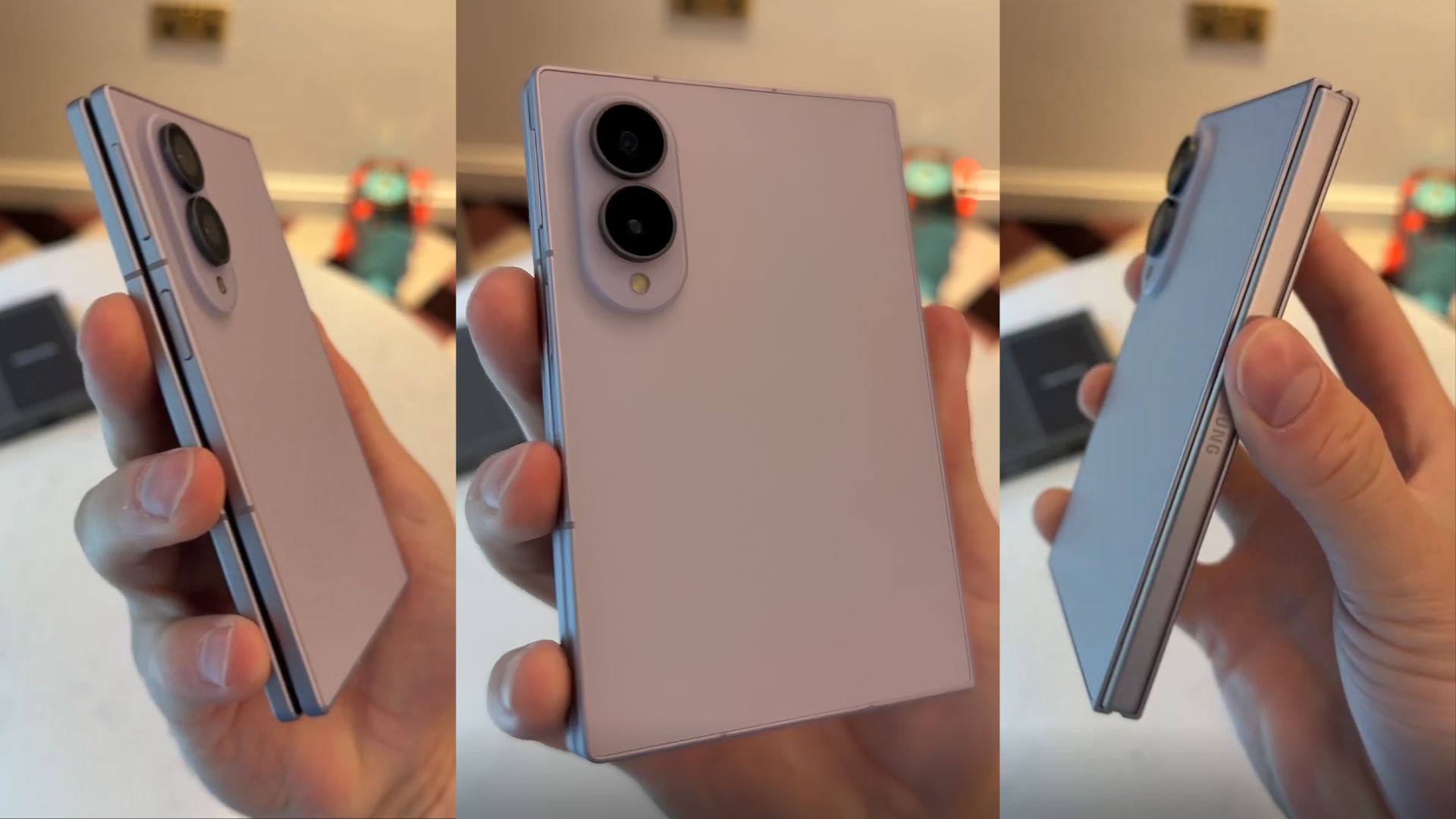
Compared to last year’s Z Fold 7, it’s 34.5mm shorter and 18.2mm wider. At 201 grams, it’s Samsung’s lightest book-style foldable ever. Pricing starts at $1,899 for 256GB. Inside: the Snapdragon 8 Elite Gen 5 for Galaxy, a 4,800mAh battery, IP48 water resistance, and Android 17 with One UI 9.
Why the 4:3 Ratio Matters More Than You’d Think
Here’s the thing about foldable aspect ratios — they’ve always been a compromise. Older Z Folds opened into a nearly square screen: great for split-screen multitasking, awkward for everything else. Videos had massive black bars. Games felt cramped. Reading long articles meant constant scrolling.

The 4:3 ratio fixes most of that. Movies fill more of the display. Gaming feels more natural in landscape mode. And when you rotate the phone to portrait, the 3:4 ratio works surprisingly well for e-books and web browsing — Samsung’s newsroom specifically called this out as an intentional design choice.

What’s interesting is that Samsung isn’t the first to try this. Google’s original Pixel Fold used a similar passport-style shape back in 2023 — and the market mostly ignored it. Two years later, Samsung and Apple are both landing on the same conclusion: wider is better. Google was early. The market wasn’t ready.
The Crease Problem Finally Gets a Real Fix
Let’s be honest — the crease has been foldable phones’ biggest embarrassment. You spend $2,000 on a phone, unfold it, and there’s a visible bump running down the middle. Samsung’s been shrinking it for years, but it was always there.

The Z Fold 8 uses Flex Titanium, a new display technology that layers titanium into the screen structure. Early hands-on impressions from Tom’s Guide and Gizmodo suggest the crease is now nearly invisible. The hinge has also been reworked to balance tension more evenly. We’ll reserve full judgment until independent durability testing, but first impressions are promising.
Apple Forced Samsung’s Hand
Let’s talk about the elephant in the room. Apple’s first foldable iPhone — expected to launch as the iPhone Ultra in September 2026 — reportedly uses the exact same 4:3 aspect ratio with a 7.8-inch inner display. Nearly identical proportions. Nearly identical philosophy.
Samsung launching on July 22 in London isn’t coincidental. Europe is Apple’s strongest premium market, and Samsung wanted to own the “wide foldable” conversation two full months before Cupertino even opens its mouth. As TechRadar’s David Lumb put it, the passport-style foldable is the future.
But here’s our take: the convergence itself is the news. Two companies that approach hardware from completely different philosophies — Samsung iterating for eight years, Apple watching from the sidelines — independently arrived at the same shape. That’s not a trend. That’s validation. The 4:3 foldable isn’t a design experiment anymore. It’s the new default.
What You’re Giving Up
The wider design doesn’t come free. The Z Fold 8 drops to a dual 50MP camera — no telephoto zoom. S Pen support is gone, likely sacrificed to keep it thin at 9.7mm folded. Flex Mode didn’t make the cut either. Samsung is clearly shifting from a productivity-first foldable to a content-first one.
For people who want a portable entertainment screen that fits in their pocket, those trade-offs make sense. Power users and stylus loyalists still have the Ultra at $2,099.
The Real Winner Isn’t Samsung
Samsung deserves credit for finally breaking its own mold. But the real winner here isn’t any single company. It’s the form factor itself.
When Google tried the passport shape in 2023, it was an outlier. When Oppo’s Find N did it in 2021, it was a niche experiment. Now Samsung, Apple, and reportedly Oppo again are all building around 4:3. That kind of industry-wide convergence usually means the market has found its answer.
(Galaxy Z Fold 8 Unboxing)
Foldables spent six years trying to figure out what they wanted to be. With the Galaxy Z Fold 8, that question finally has a clear answer: a mini tablet that happens to fold into your pocket. For anyone still on the fence about whether foldable phones are worth the investment in 2026, the Z Fold 8’s form factor might be the thing that tips the scales.
FAQsHow does the Galaxy Z Fold 8 compare to the Z Fold 8 Ultra?
The Z Fold 8 uses a wider 4:3 passport-shaped screen optimized for media, weighs 201g, and starts at $1,899. The Z Fold 8 Ultra keeps the traditional tall book-style design with a 200MP camera and starts at $2,099. Different shapes for different needs.
When can you actually buy the Galaxy Z Fold 8?
Pre-orders opened July 22, 2026, the same day Samsung announced it at Galaxy Unpacked in London. The phone ships to customers starting August 7, 2026.
Will the foldable iPhone have the same screen ratio as the Z Fold 8?
Leaks strongly suggest Apple’s first foldable iPhone will use a 4:3 aspect ratio with a 7.8-inch inner display — nearly identical to Samsung’s approach. Apple’s version is expected in September 2026.
What is Flex Titanium and does it actually fix the crease?
Flex Titanium is Samsung’s new display technology that layers titanium into the screen structure. Early hands-on reviews from multiple outlets confirm the crease is now nearly invisible, though long-term durability testing is still pending.
Is Samsung discontinuing the Galaxy Z Flip line after 2026?
Two independent leaks suggest the Z Flip 8 could be Samsung’s last flip phone, though Samsung hasn’t officially confirmed this. The company appears to be shifting resources toward wider book-style foldables instead.
Vincee Cole is a technology journalist with four years of experience covering the full spectrum of modern tech — from consumer devices, artificial intelligence, to quantum computing, blockchain, and digital assets. His reporting cuts through complexity to deliver stories that are sharp, grounded, and relevant to both general readers and industry insiders. Previously, he worked with fintech research teams across Southeast Asia, analysing how emerging technologies are reshaping financial systems at scale.