
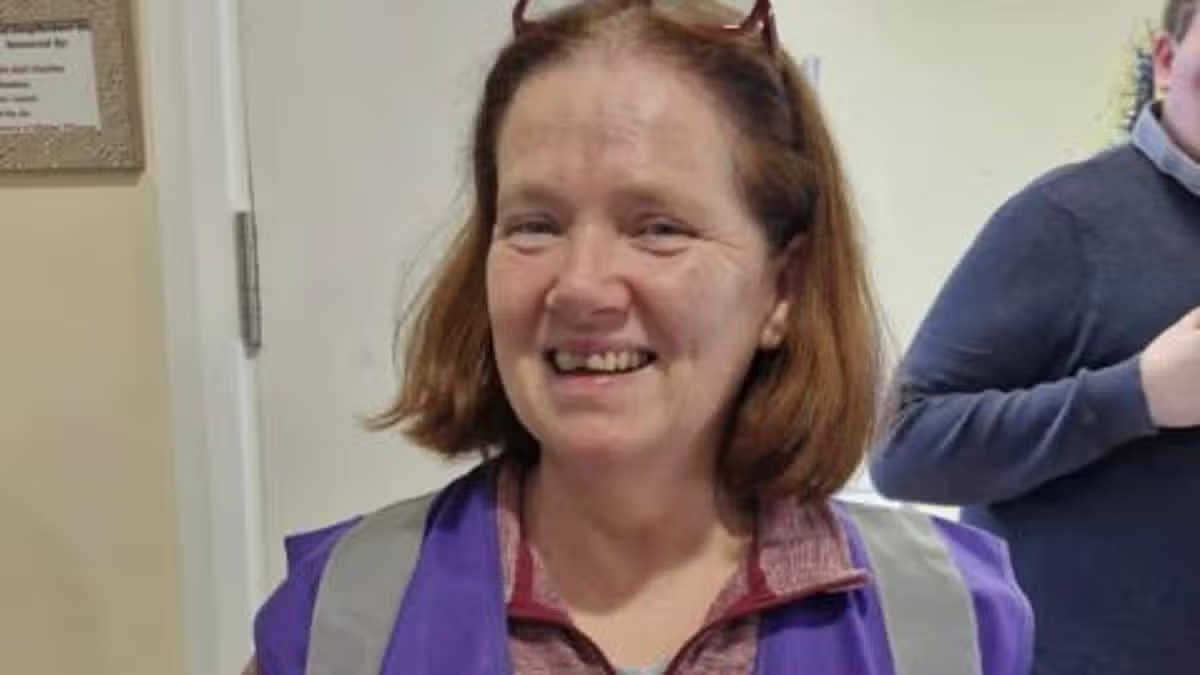
Catriona had been diagnosed with ovarian cancer after dealing with extreme bloating and stomach pain, but as she underwent surgery for it, another type of cancer was also identified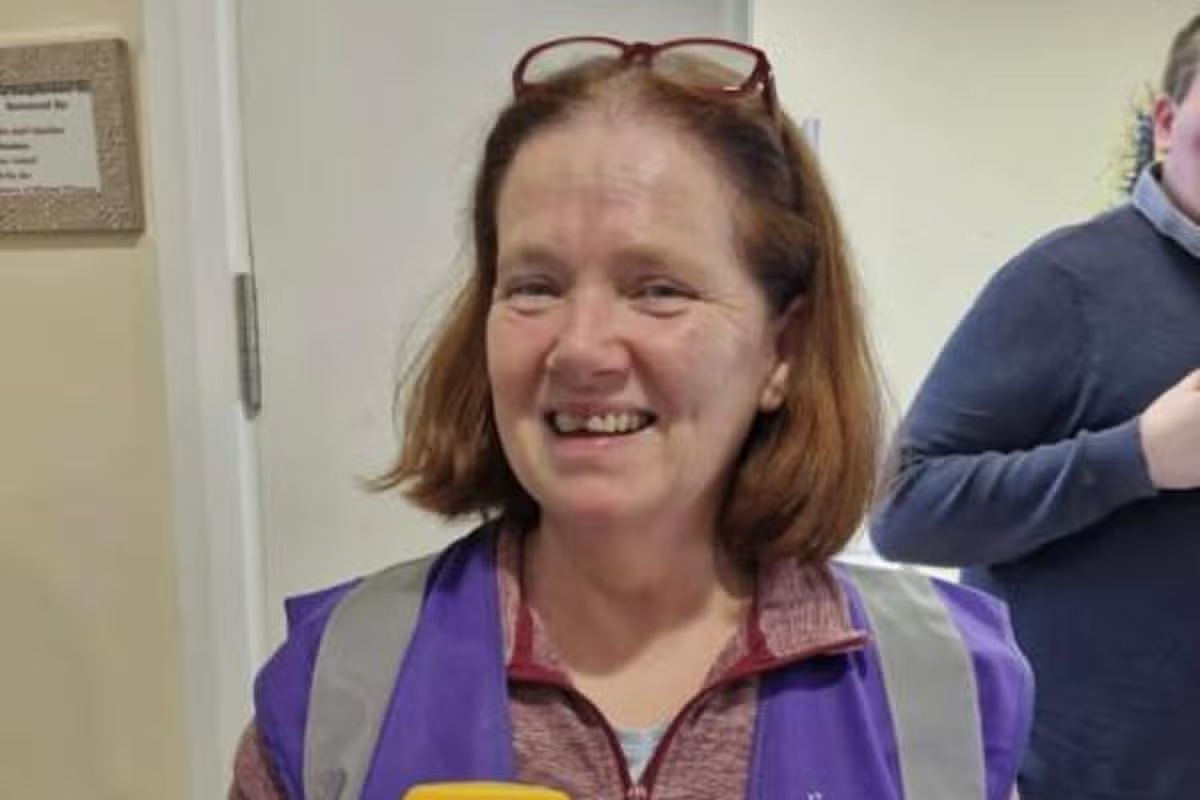
Dublin woman Catriona Doyle
Annually, approximately 400 women are diagnosed with ovarian cancer, and almost 300 die from this disease in the Republic of Ireland. In Northern Ireland, almost 204 are diagnosed and 120 women die. Ovarian cancer is the fourth leading cause of cancer death in women in Ireland, after lung, breast, and colorectal cancer. It is considered one of the more common cancers in Ireland, yet new statistics from the Irish Network for Gynaecological Oncology (INGO) show that less than one in three women (29%) feel confident they would recognise the symptoms.
Catriona Doyle is a Dublin-based running enthusiast who was diagnosed with ovarian cancer in 2016 and, at first, she thought her symptoms were perimenopause.
“I didn’t realise I had symptoms,” she tells RSVP . “In May 2015 I went for a smear test. While I was getting that done, the nurse recommended that I start keeping a diary of my menstrual cycle because it was very erratic at the time. It was coming and going, all over the place. There were months where I didn’t have any periods, then other times where I would have it every two or three weeks. To be perfectly honest, I thought it was menopause. Because my mum had breast cancer, she went straight into menopause after her treatment and I am the eldest of my sisters, so we didn’t really know within the family when menopause was likely to start and I didn’t have anyone to ask.
“I put it down to being in my mid-40s and the start of the perimenopause. In August 2015, I did my first half marathon and when I was finished I had a bleed. It wasn’t time for my period and I wasn’t expecting it. I kept the diary for that entire year.”
Over the course of that year, Catriona began developing new symptoms, such as pain and stomach bloating.
“I had a pain in my side, but only ever at night-time,” said Catriona. “When I lay down, if I went to my left side I’d have to turn over because the pain was really bad. It was in my lower back and it was going down into my leg. I was running a lot and exercising three or four times a week, and I was still a little bit overweight and no matter what I did, the extra weight wasn’t going anywhere. It looked like I was pregnant, it was a swollen tummy.”
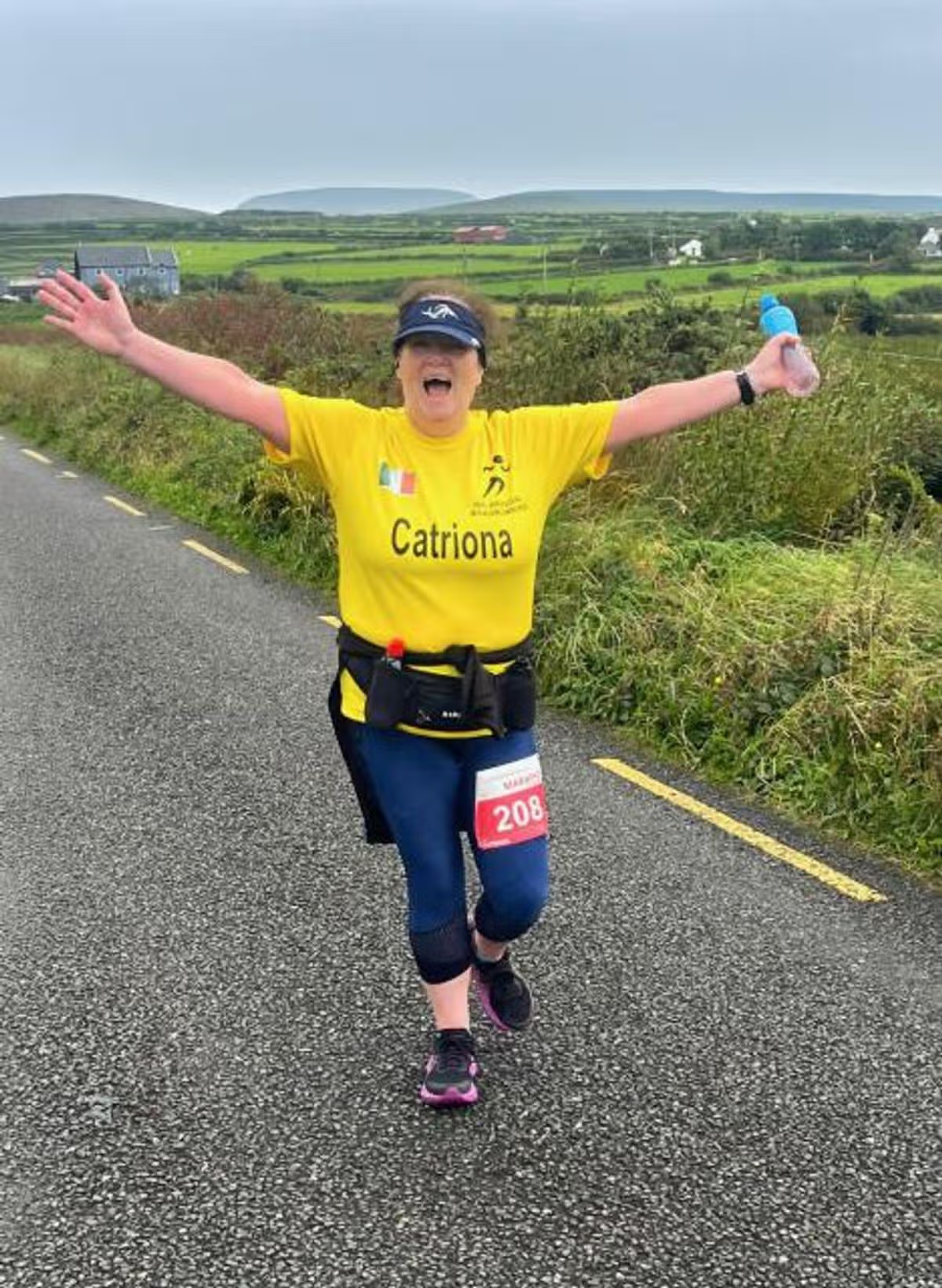
Now 10 years on from her diagnosis and feeling great, she is set to take on her 10th marathon this August
The INGO’s research also found that only two percent of women were aware of the B.E.A.T acronym, which represents the key symptoms of ovarian cancer:
• Bloating that is persistent and doesn’t come and go
• Eating less and feeling full more quickly
• Abdominal and pelvic pain you feel most days
• Toilet changes in urination or bowel habits
If these symptoms occur frequently, are persistent, and represent a change from what is normal for someone, medical advice should be sought. Early detection significantly improves outcomes, making awareness and timely action critical. The clear message is that if a woman experiences any of these symptoms for three weeks or more, she should contact her GP.
Catriona was experiencing these symptoms but it came to a head when she was overcome with stomach pain.
“In 2016, I was a healthcare assistant at the time, and I was doing 12-hour shifts, and on a Saturday evening as I was about to go on duty I got this unmerciful pain in my stomach,” she recalls. “I felt like I was going to pass out, the pain was excruciating.
“I went to the D Doc and at that point I had really bad pelvic pain also, I felt like I was going to pee myself. He sent me straight into hospital because he diagnosed me with appendicitis and he thought it was about to burst. When I went in, they did different examinations and confirmed that it wasn’t appendicitis. The doctor there thought it was diverticulitis, and the symptoms of that are things like diet and poor exercise. I knew it wasn’t what I had.”
Catriona was subsequently diagnosed with ovarian cancer, and admits she had no real knowledge of the disease beforehand. The diagnosis was “stark” and she underwent surgery quickly – only to discover she didn’t only have ovarian cancer, but endometrial cancer as well.
“I just like to say I had buy one, get one free!” she laughs. “The ovarian cancer saved me from the endometrial because it has no symptoms. There’s a massive bleed out, and then you’re dead.”
Catriona underwent six rounds of chemotherapy and while it was “very tough”, she had an aim to help her through.
“At the start of it I set myself a goal to do a half marathon when I finished treatment,” she says. “I was walking as much as I could and by the time I went back for my six-week check-up after the surgery, I was already walking 3km.” She reached her goal, and hasn’t stopped since. Now 10 years on from her diagnosis and feeling great, she is set to take on her 10th marathon this August.
“You can’t take anything for granted,” she says. “One bad pain sent me into hospital and my whole family’s life changed. That’s why I go out and I run, because I can. I made a few friends in chemo and I’m the only one that’s still here. The rest of them have died, and it’s really, really hard. I’m still here, so I reckon I’m still here for a reason and if I have to shout about ovarian cancer from the rooftops, I will.
“The more people who hear about ovarian cancer and the INGO’s campaign, the better. Women need to be informed because the symptoms are so vague and easily put down as something else like perimenopause. A lot of women don’t think about themselves – it’s about your kids, your family life, your work and you put what’s wrong with you to one side and keep on going. But go to your GP if you think something is wrong.”
World Ovarian Cancer Day was earlier this year and the theme was #NoWomanLeftBehind, which promotes the urgent need to ensure that all women, regardless of geography, socio-economic background, or access to healthcare, have the knowledge, support, and resources to recognise ovarian cancer symptoms and seek timely care.
For more information, please visit www.thisisGO.ie
Read the full interviews with Catriona and Christine in the July issue of RSVP Magazine on shelves now.

Want to see more of the stories you love from RSVP ? To add RSVP as a preferred source of news on Google, simply click here