
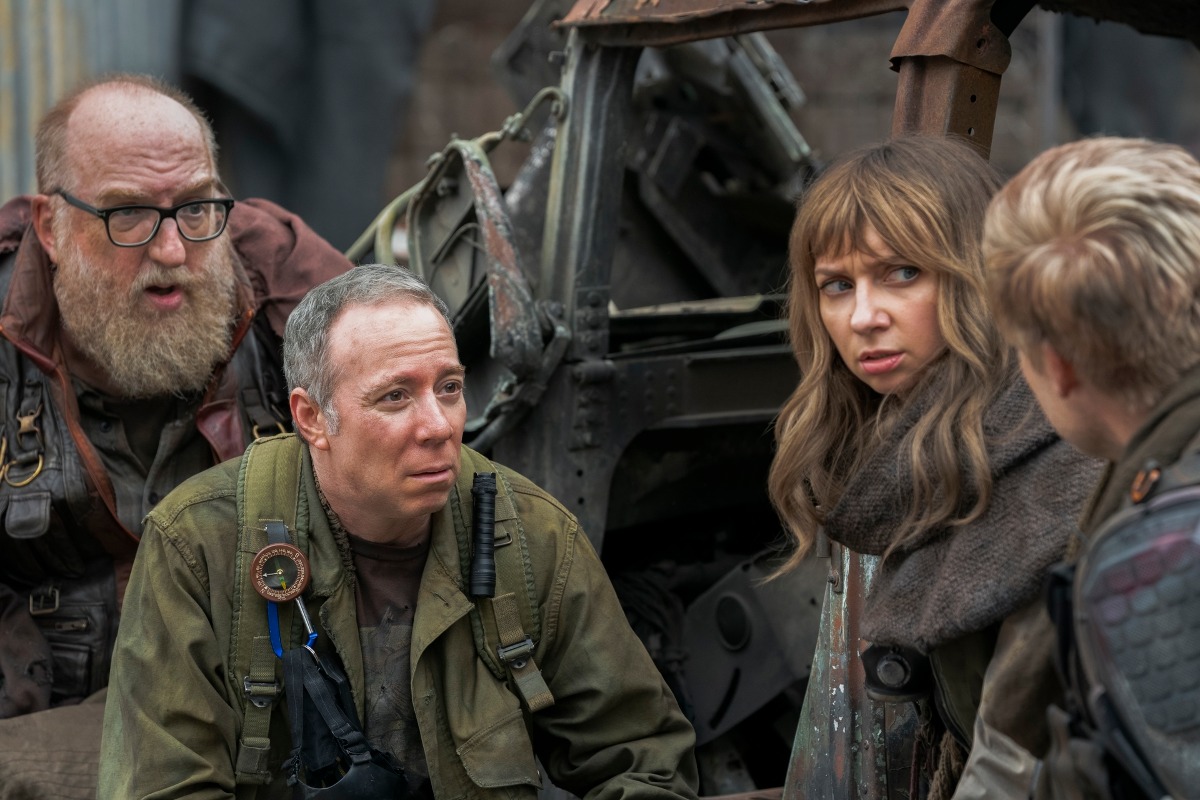
Stuart Fails to Save the Universe opens with its own spoilers built into the title sequence, a deliberate gimmick co-creator Zak Penn says drives the show’s premise rather than undercuts it. The Big Bang Theory spinoff premiered Thursday, July 23, 2026 on Max with Kevin Sussman reprising Stuart alongside Brian Posehn, Lauren Lapkus and John Ross Bowie as Barry Kripke.
Skipping the credits has become second nature for most viewers, a few seconds to grab a snack before the real story starts. Stuart Fails to Save the Universe flips that habit on its head, turning its opening into a genuine plot device rather than a formality. Zak Penn, who created the Max Original with Chuck Lorre and Bill Prady, and his team built a sequence that plays with spoilers instead of hiding from them, rewarding anyone who actually pays attention. Danny Elfman crafts fresh musical variations for nearly every episode, a level of craftsmanship that goes well beyond typical spinoff territory.
A bold start for Stuart Fails to Save the Universe
Most streaming shows expect you to skip the intro. The new spinoff of The Big Bang Theory is betting you won’t. Stuart Fails to Save the Universe, which debuted on Max on Thursday, July 23, 2026, has built its entire opening sequence around a gamble few American series have dared to try: spoiling its own episodes before they begin.
When spoilers become part of the fun
Each episode opens with title cards that speak directly to the audience, breaking the fourth wall with jokes, behind-the-scenes trivia, and yes, actual plot reveals. One installment even suggests viewers take a bathroom break and wash their hands before settling in. Co-creator Zak Penn told Deadline the team embraced the idea precisely because it seemed absurd: “Let’s see what happens if we put a spoiler in the credits.” According to Penn, the surprise no longer lies in the information itself, but in the circumstances surrounding it once the scene arrives.
Familiar faces with fresh energy
The series hands the spotlight to Kevin Sussman, reprising his role as comic book store owner Stuart Bloom, with Brian Posehn, Lauren Lapkus and John Ross Bowie, back as Barry Kripke, rounding out the core ensemble. The show works as a direct continuation of the original sitcom while carving out its own corner of that universe, trading the physicists’ apartment for Stuart’s decidedly less glamorous misadventures.
Chuck Lorre’s musical experiment with Danny Elfman
The theme song comes from Danny Elfman, no stranger to television after Futurama, Desperate Housewives, and Wednesday. This time, though, the assignment was unusual. After hearing the initial composition, co-creator Chuck Lorre, who created the series with Big Bang Theory co-creator Bill Prady and with Zak Penn, asked him for 10 different versions of it, so the opening could shift its tone to match each episode. Elfman admitted no one had ever made that request before. He thought it over for about two seconds and simply said yes. The arrangement keeps the sequence unpredictable from week to week without losing its identity.
Why this series ups the game for spinoffs
Spinoffs often play it safe, leaning on nostalgia and familiar catchphrases. This one takes real formal risks, and early reception suggests the gamble is paying off with both critics and longtime fans of the franchise. The spoiler-filled intro has already accomplished something rare: giving people a reason to watch the credits. New episodes roll out weekly on Max, with the season building toward its finale.