
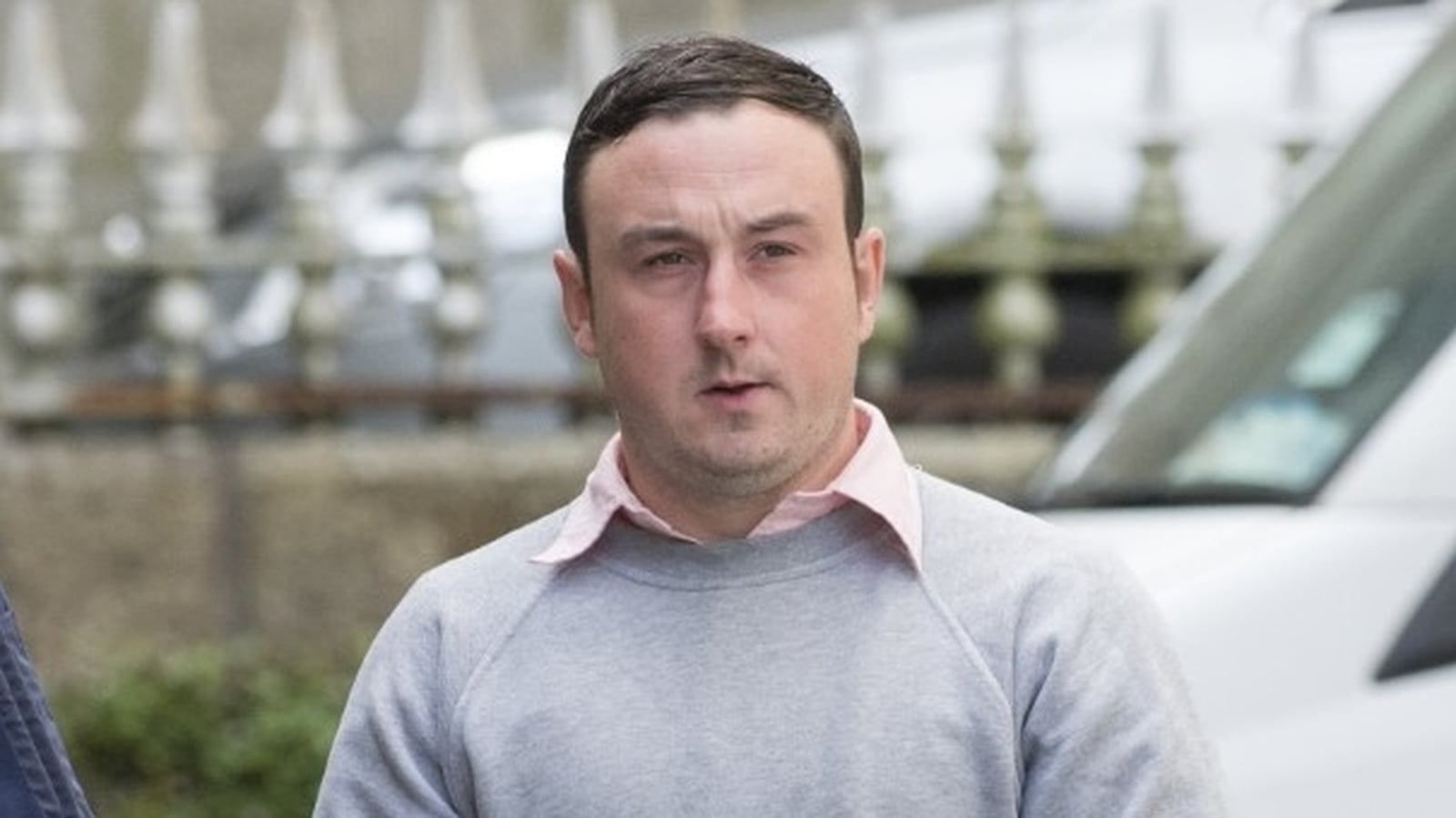
The Court of Appeal has ruled that the three-year sentence imposed on convicted garda killer, Aaron Brady, for perverting the course of justice was too lenient.
Brady is serving a life sentence with a minimum time served of 40 years for the capital murder of Detective Garda Adrian Donohoe on 25 January 2013 during a robbery at Lordship Credit union in Bellurgan, Co Louth.
He is also serving a 14-year sentence for the robbery.
In April 2024, he admitted perverting the course of justice during his murder trial in 2020.
He admitted recording footage of a garda interview with Ronan Flynn, a witness who told gardaí he had heard Brady admit to shooting Detective Garda Donohoe three times.
The video was later published on social media, accusing Mr Flynn of being a “rat”. Mr Flynn did not give evidence at Brady’s trial.
Brady also sent photographs of portions of a statement by witness Daniel Cahill, to Dean Byrne, another criminal in the same wing of Mountjoy Prison as Brady.
Byrne passed the statements to at least two people in an attempt to get Mr Cahill’s family members to persuade him not to give evidence. Mr Cahill subsequently gave evidence at the trial.
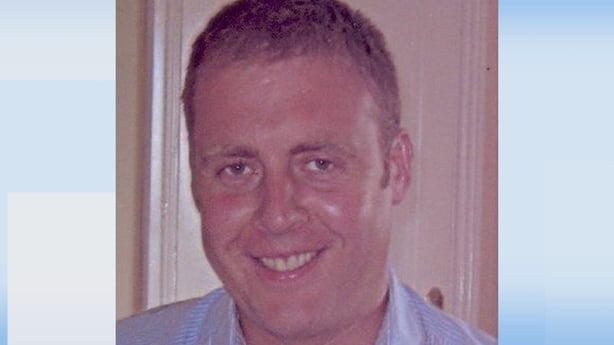
Detective Garda Adrian Donohoe was killed during a robbery at Lordship Credit union in Bellurgan, Co Louth in 2013
Ms Justice Isobel Kennedy said the offences occurred in connection with Brady’s prosecution for capital murder and during his trial.
They were premeditated while he had the privilege of having a laptop in prison.
She said the three-year sentence was a substantial departure from the norm, as the sentencing judge placed an excessive emphasis on the fact that no violence or threats of violence were used and did not give enough weight to the principle of deterring others from committing such a crime.
She said this was not a single incident – instead it was an offence that required careful thought and planning and recourse to a recording device.
The fact that video began circulating on social media was “insidious and menacing”, the judge said.
Judge Kennedy said the public consequences of an unsuccessful prosecution because of the absence of witnesses in an offence of such gravity were more significant than if it had been a minor offence.
She said Brady showed contempt for the trial process and there was an “intrinsic seriousness” in attempts to undermine the administration of justice.
The judge said the correct headline sentence for the offence was nine years which should be reduced to six and a half years, to take into account his plea of guilty.
However, given the principle of totality she reduced it further to five years.
The five-year sentence is to begin after Brady’s 14-year sentence for robbery. Both are running alongside his 40-year sentence for capital murder.