

LONDON — In the packed halls of the recent Alzheimer’s Association International Conference in mid-July, over 10,000 experts in brain research discussed strategies to beat dementia. But in one room, attendees gathered to watch a video from a nonscientist named Isabel Beltre, whose life was transformed by a recent trial.
Beltre was one of 1,200 participants ages 60 to 77 who took part in the Latin American Initiative for Lifestyle Intervention to Prevent Cognitive Decline (LatAm-FINGERS), the first trial to test a culturally adapted lifestyle intervention to prevent cognitive decline in Latin America. Rather than attempting to treat dementia after it has developed, the trial tackled risk factors that raise the likelihood of the condition, like smoking and a sedentary lifestyle.
Latest Videos FromLive Science
You may like
The lifestyle factors that increase dementia risk
What to read next
I felt that I wanted to move on to interventions to really show that if you do something, you can change the risk.
Miia Kivipelto, professor of clinical geriatrics at the Karolinska Institute
Targeting those most at risk of dementia

Regular exercise and social interaction are associated with a lower risk of dementia, compared to infrequent exercise and social contact.
(Image credit: FG Trade Latin via Getty Images)
What made the difference?
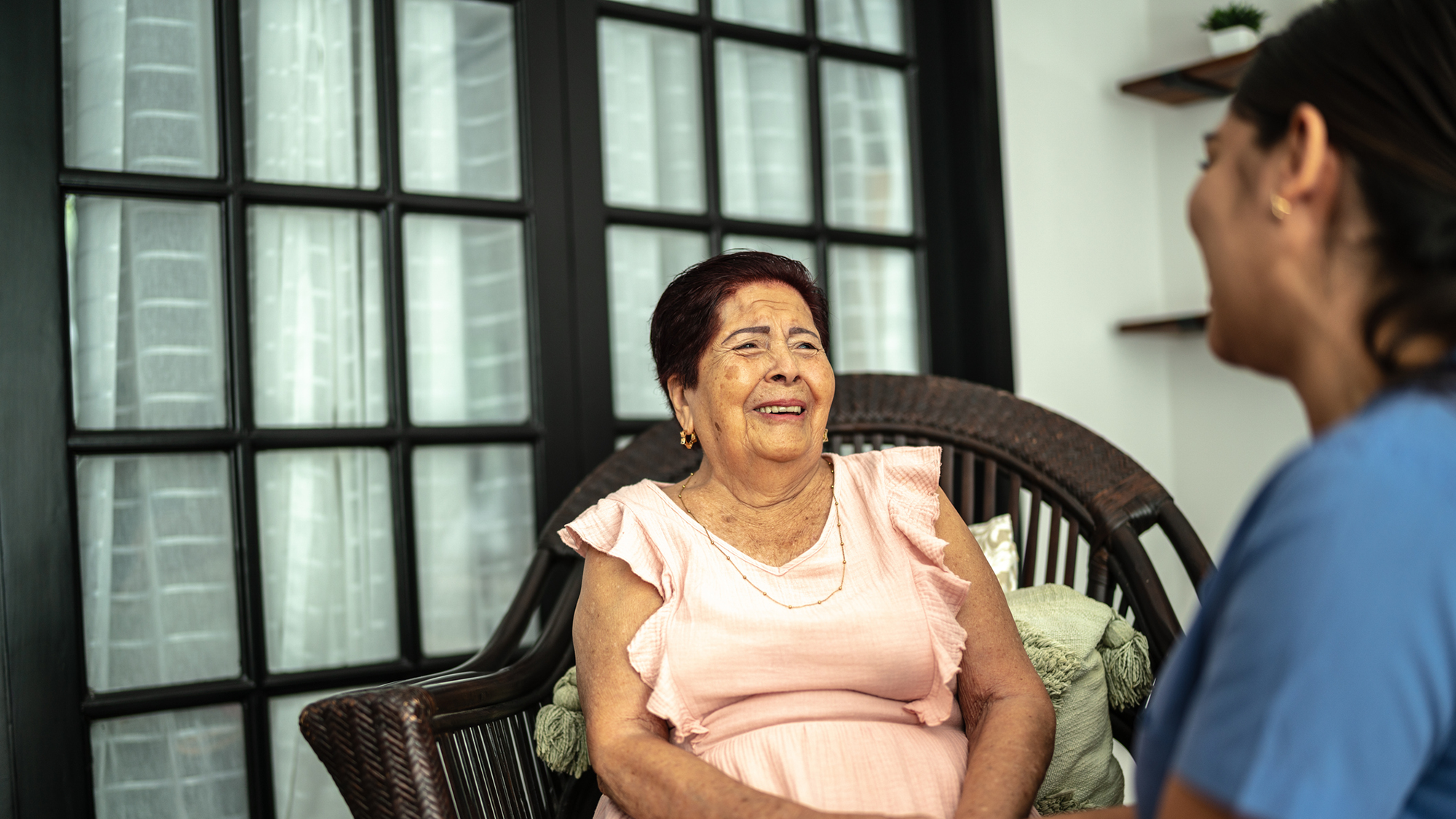
Experts think that women may be more likely than men to participate in these types of lifestyle interventions.
(Image credit: FG Trade Latin via Getty Images)
Can we really prevent dementia?
This article is for informational purposes only and is not meant to offer medical advice.