
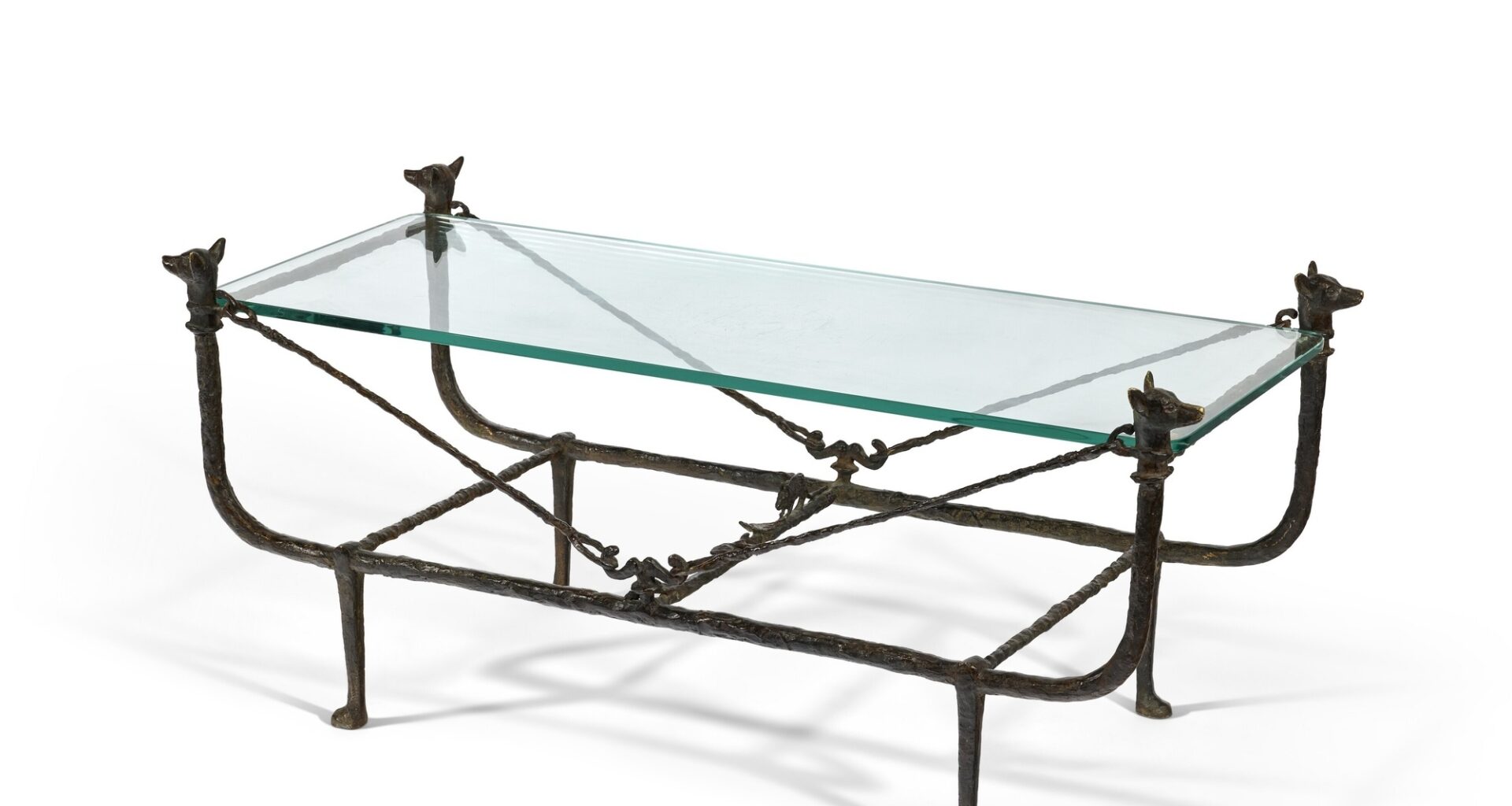
It is a tribute to the Parisian taste of Jeanne-Marie de Broglie that the furniture she collected in the 1970s and 1980s is of a type that makes vast sums of money in today’s market. Maybe the key is thinking outside the box. Princess Jeanne-Marie, the forward-looking daughter of a duke who established Christie’s Paris office in 1968, did not go for the fashion of the time. Instead, she followed the avant-garde.
Her private collection of over 150 lots, to be sold at Christie’s in Paris on September 30, reflects an expertise in art and friendships forged with artists. Close friends with gallery owner Daniel Cordier, she was active in a visionary artistic circle where she met and became friends with Jean Dubuffet. The work La physique du sol (€200,000-€300,000) from her collection forms part of Dubuffet’s Texturologies series developed from the late 1950s in which the artist uses a language of textures, layers and vibrations to transform painting into a physical and sensory experience.
In an apartment emblematic of the elegant characteristics of great Parisian collections, ceramics by Picasso, Charles X-era candlesticks and an 18th-century Limoges porcelain service sat alongside art by Marc Chagall, David Hockney, Dorothea Tanning, Léon Spilliaert, Henri Michaux, Miodrag Dado, Edgar Degas and Eugène Delacroix.
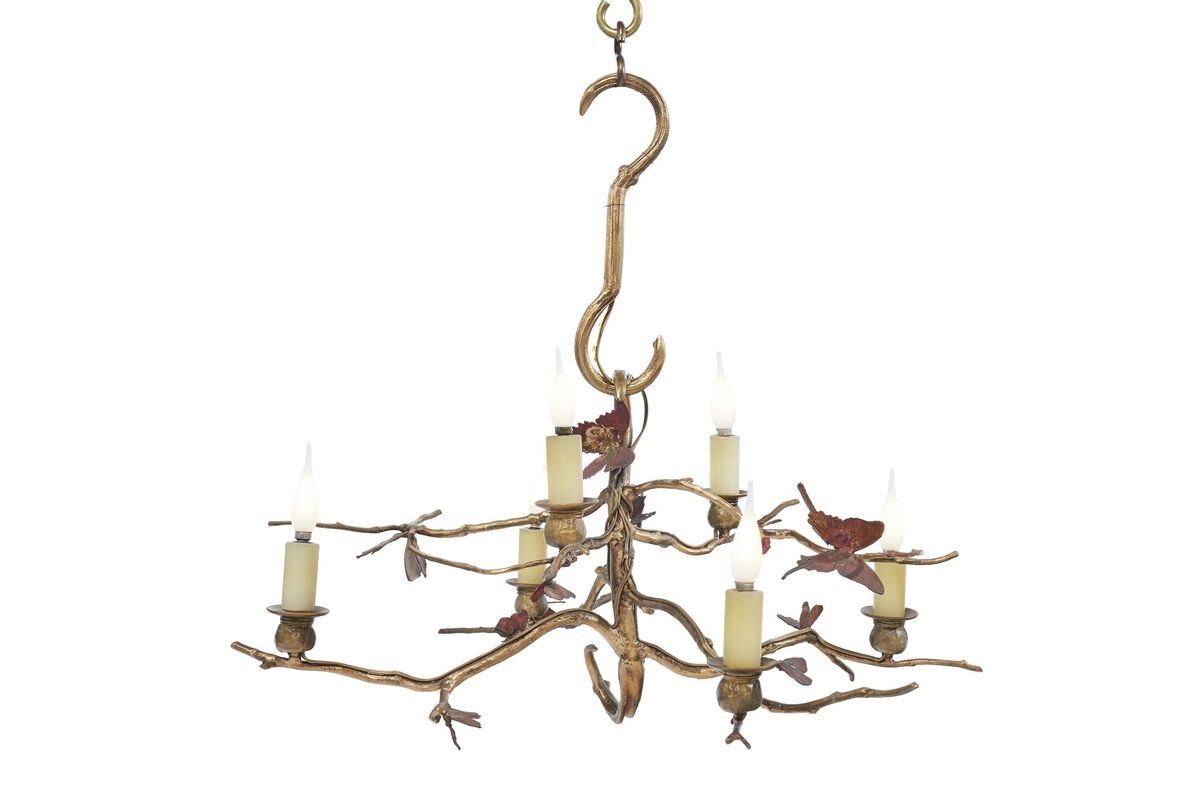 ‘Structure végétale aux papillons’, chandelier by Claude Lalanne, at Christie’s.
The aristocratic lineage is evident in several pieces in the collection, like a diamond brooch in the shape of a Maltese cross from the Radziwill family (€30,000-€50,000) and a portrait of her grandmother Dolly Radziwill by Adrian Désiré Étienne Drian. A service bears the cypher of her ancestor Princess Louise of Prussia.
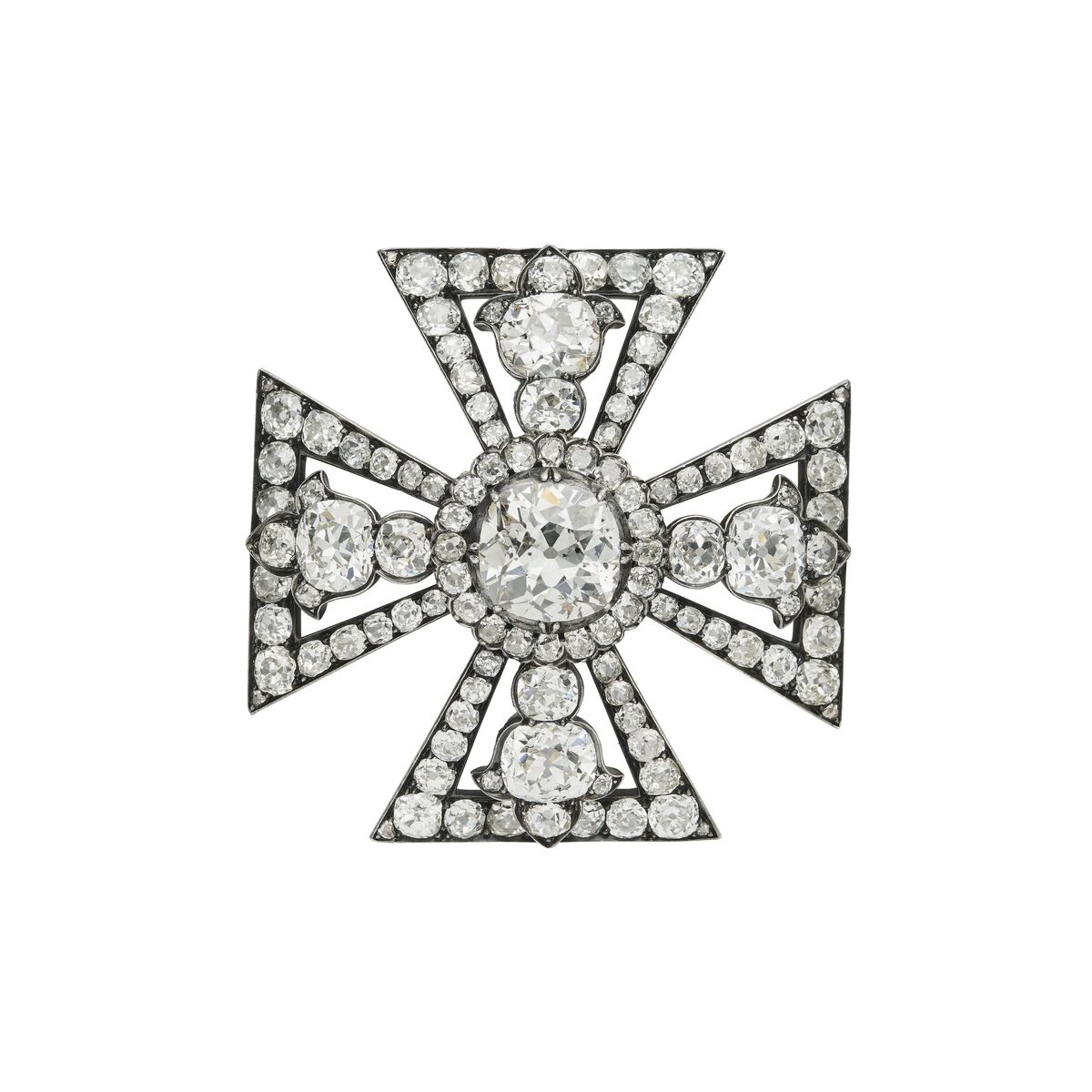 Maltese cross brooch set with diamonds.
Christie’s, now celebrating 260 years in business, describes this sale as a tribute auction to a major figure in the European art market who helped to shape the rapidly changing landscape of postwar Europe.
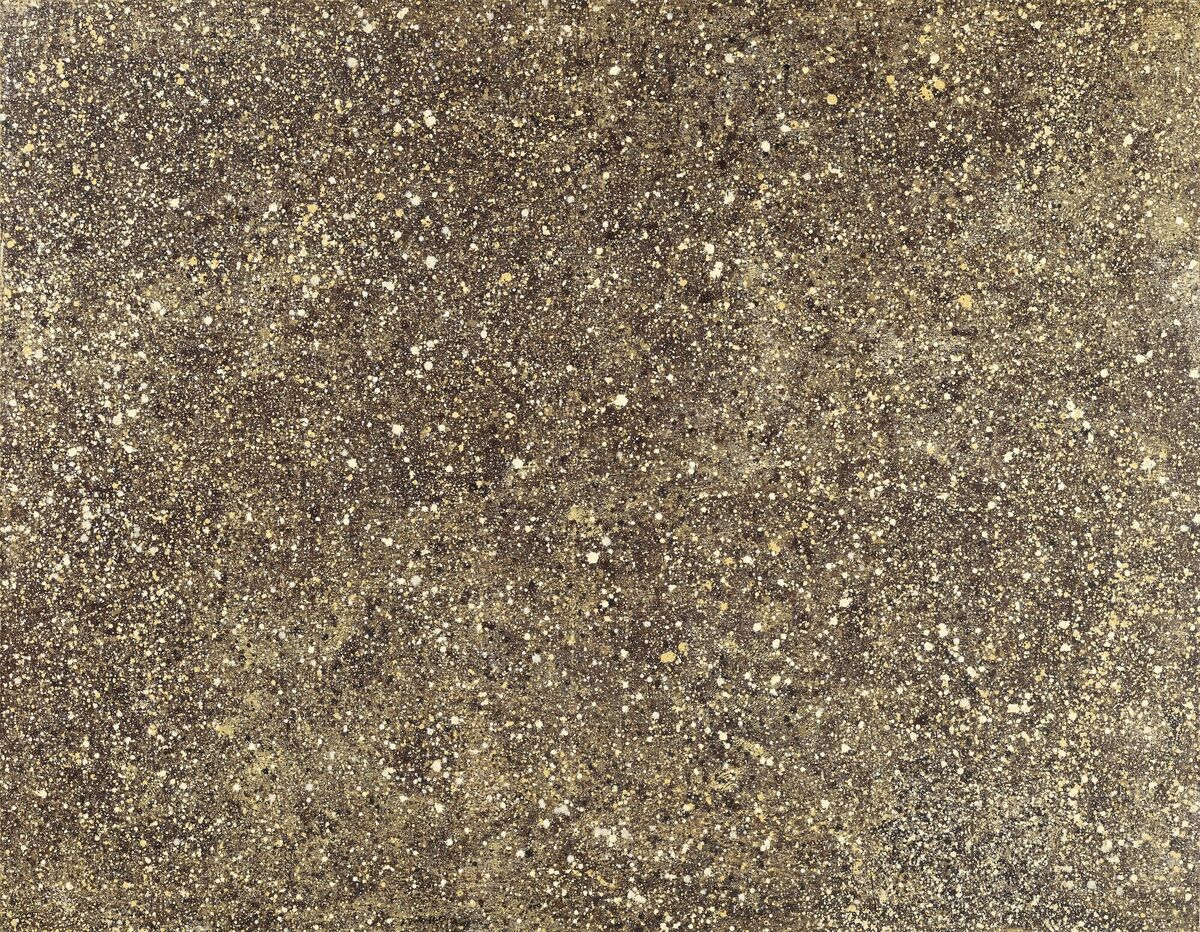 ‘La physique du sol’, Jean Dubuffet.