
Health officials in Nepal have reported nine deaths due to Japanese encephalitis (JE) in less than a month, prompting officials to warn the public the numbers could rise as the peak season arrives.
In the past few weeks alone, six people have died from JE virus infection in Koshi Province, two in Madhesh Province, and one in Lumbini Province.
In addition, 37 others were infected and hospitalized with JE.
Of the vector borne diseases, JE is the leading cause of death in Nepal. It is estimated that about 12.5 million people in Nepal are at high risk of JE infection.
In 2025, 41 people died and 141 others were infected with JE, which spread to over 117 local units across 45 districts. The case fatality rate was around 23 percent.
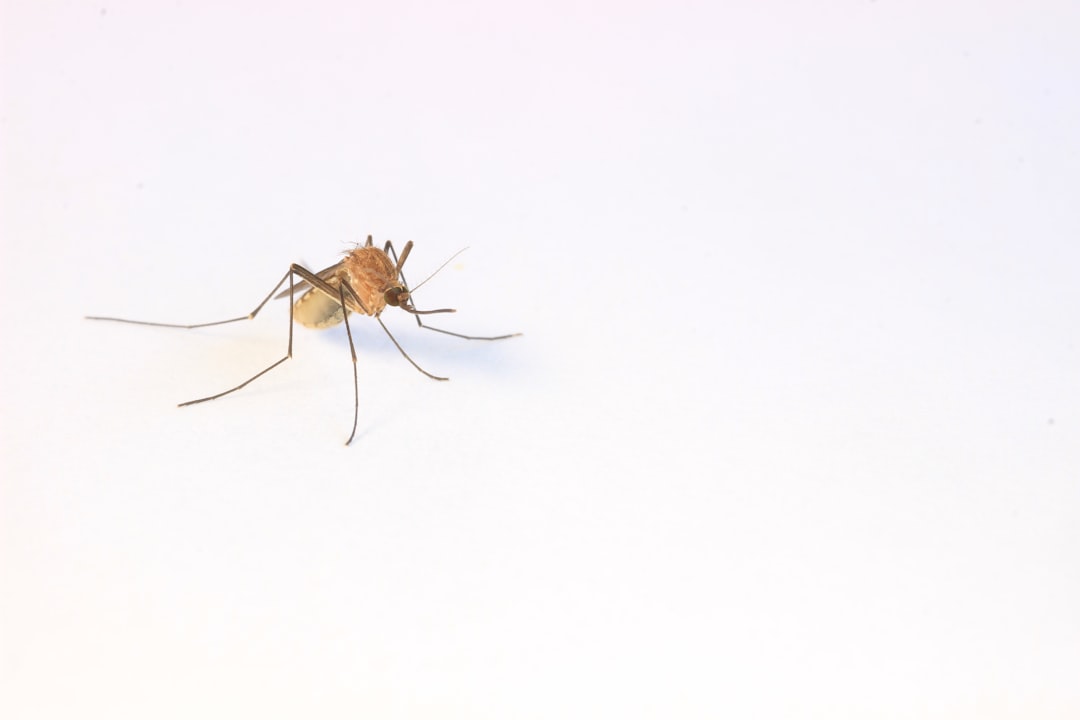
Japanese encephalitis is a preventable viral disease transmitted through the bite of the infected Culex mosquito. Japanese encephalitis virus circulates in pigs, sheep, and water birds. Most infected individuals experience no symptoms or only mild symptoms like fever and headache. The virus does not spread from person to person, and symptoms typically appear 5-15 days after being bitten.
It is found mainly in Asia. About 70,000 cases of JE are estimated to occur in Asia each year, although the actual number of cases is likely much higher due to underreporting in rural areas. JE is fatal in approximately 30 percent of those who show symptoms, and leaves half of survivors with permanent brain damage. The disease is endemic in Southeast Asia, India and China, a region with a population of more than three billion.
Subscribe to Outbreak News TV on YouTube
Vaccine experts and members of the National Immunization Advisory Committee have recommended that everyone who is unvaccinated should receive one dose of the JE vaccine. According to them, unvaccinated individuals are at high risk of infection, severe illness, and death.