
In Galway’s Ceannt Train Station information signs were installed on each platform turnstile. They were there to inform passengers to purchase tickets before travelling.
Naturally as the city sits on the edge of the Conamara Gaeltacht, and thanks to obligations on State bodies to provide bilingual signage, an Irish translation was included.
“Ceannaig ticéad sula ndéanann tú taisteal” each sign stated. However, a passenger travelling through Ceannt Station quickly spotted the misspelling… the h was missing at the end of “Ceannaig” effectively rendering the word meaningless.
Under section 9 (1) of the Official Languages Act 2003, it is the responsibility of public bodies to ensure that any signs installed are written in the Irish language or equally in Irish and in English. As part of the responsibility, it is important that the text used on the signage is accurate.
An Coimisinéir Teanga, the Irish language commissioner who is charged with monitoring how the Act is implemented, was alerted to the issue.
The Coimisinéir stated that they are aware of the inaccurate Irish language signs installed and that the matter is under investigation with Iarnród Éireann.
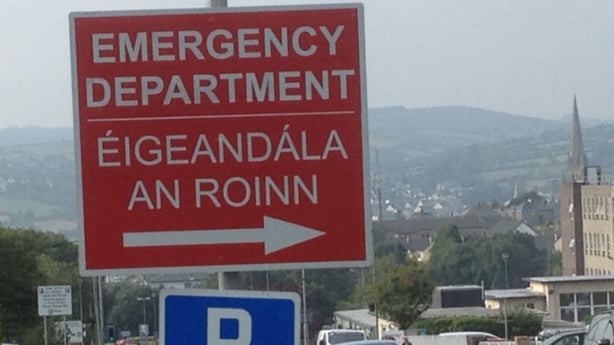
Another sign spotted with an inaccurate translation (Photo: Tuairisc.ie)
For its part, Iarnród Éireann apologised after the issue was brought to its attention. The company said it was an administrative error and it arranged to have the signs corrected as soon as possible.
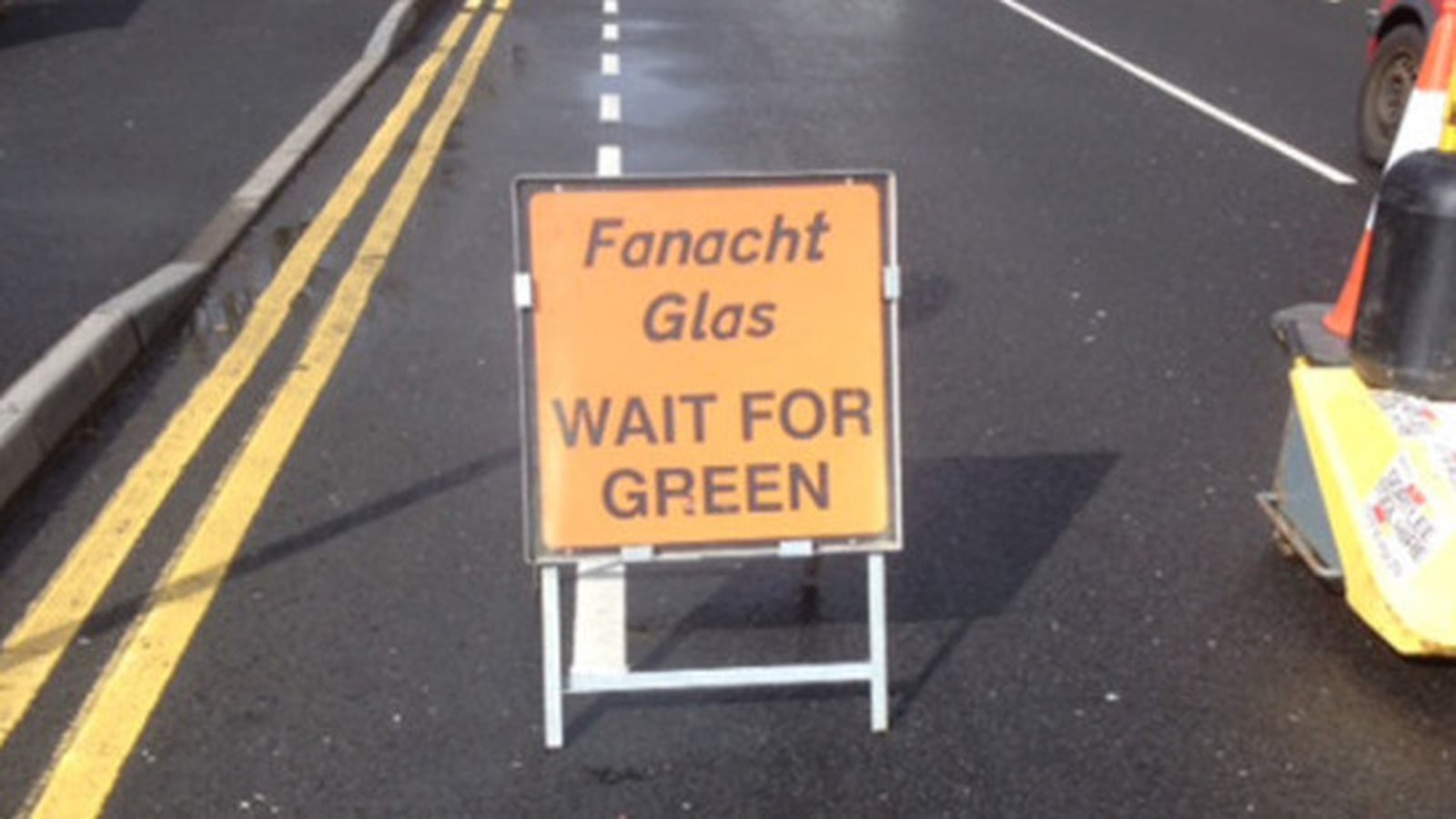
The issue in Ceannt Station is by no means an isolated one. As more Irish language signage is rolled out, many examples of wrong spellings, inaccurate translations and questionable grammar are regularly seen.
According to figures from the language commissioner’s 2025 yearly report, 26.8% of complaints made to that office related to non-compliant signage and stationery, an increase of 2.9 percentage points from 23.9% of complaints in 2024.
But is it because of lack of respect for the first national language or a lack of understanding of the language itself? Journalist with Irish language website Tuairisc.ie Maitiú Ó Coimín (below) thinks it is the latter.
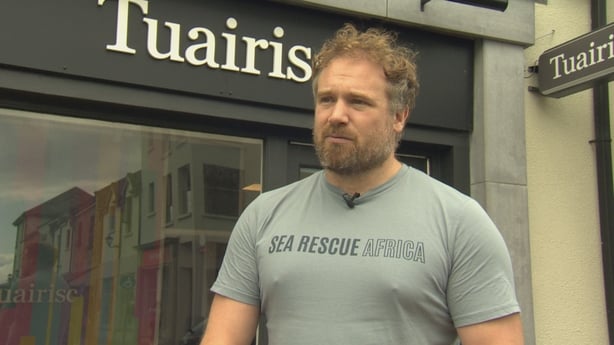
“It seems that they haven’t set up a system properly,” Mr Ó Coimín said.
He said that he understands that there is need to make signage available in Irish.
However, he said that while companies exist that provide those services, these services are not being availed of.
Mr Ó Coimín has seen many other recent examples of badly translated or inaccurate signage around the country. They include signs at roadworks, warning and advisory notices.
Tomás Ó hÓgáin, an Oifigeach Pleanála Teanga in Galway city, said translation mistakes need to be addressed and also pointed to translation services available to ensure mistakes do not happen.
“It demonstrates to the public the level of importance they place on the Irish language, especially when the English signage is repeatedly spelled correctly, while the Irish signage is overlooked with mistakes,” said Mr Ó hÓgáin.