
There was a time when many believed hydrogen cars would be the future of the automotive industry. When we realized we wouldn’t be able to power our cars with fossil fuels forever, sustainable fuels weren’t yet a thing and batteries couldn’t charge fast enough or discharge slowly enough for most people. Hydrogen propulsion seemed like the ideal solution that would secure the automobile for future generations. Twelve years ago, the Toyota Mirai, named after the Japanese word for future, introduced the hydrogen fuel cell vehicle to the masses, and now with two generations, it has become the most recognizable hydrogen-powered car around.
Unfortunately, though, this is partly because there are hardly any other hydrogen-propelled cars that have really landed. The Mirai is the best-selling hydrogen fuel cell car, but its sales figures last year were in the mere hundreds, and given the drastic depreciation that many used examples have suffered, Toyota can hardly call it a success. This is a shame, as we know hydrogen fuel cell technology does work and the Mirai is not a bad car – far from it, in fact. With two generations and Toyota still throwing its support behind the technology and behind the Mirai, let’s dive into how the Mirai has changed over the years…
This article looks at the Toyota Mirai by model years, discussing both Toyota Mirai generations that have been sold in the USA.
2021–Present Toyota Mirai 2nd Generation (JPD20)
The Toyota Mirai soldiers on in the United States, but from 2024, it was only available to purchase in California, owing to the dearth of hydrogen refueling infrastructure elsewhere in the country, but given the paltry sales the Mirai has seen recently, it is almost a miracle it is sold here in the US at all. It has been “updated” for 2026, with the word in inverted commas because the only meaningful change is new 19-inch black machine-finished alloy wheels. This update follows others like the new infotainment system added in 2023, and the addition of Toyota’s “Teammate” diver-assistance system in 2021.
The second-generation Mirai unveiled in 2019 and put on sale for the 2021 model year was overall an improvement on what had come before, as it was altogether more upmarket than the first-gen, which used the same platform as the Prius and had an exterior design that didn’t do enough to differentiate it from the less expensive, more humdrum hybrid. It instead rests on a platform also used for the Lexus LS and LC, meaning it has a larger stature and a more upscale look on the outside, and especially in the interior.
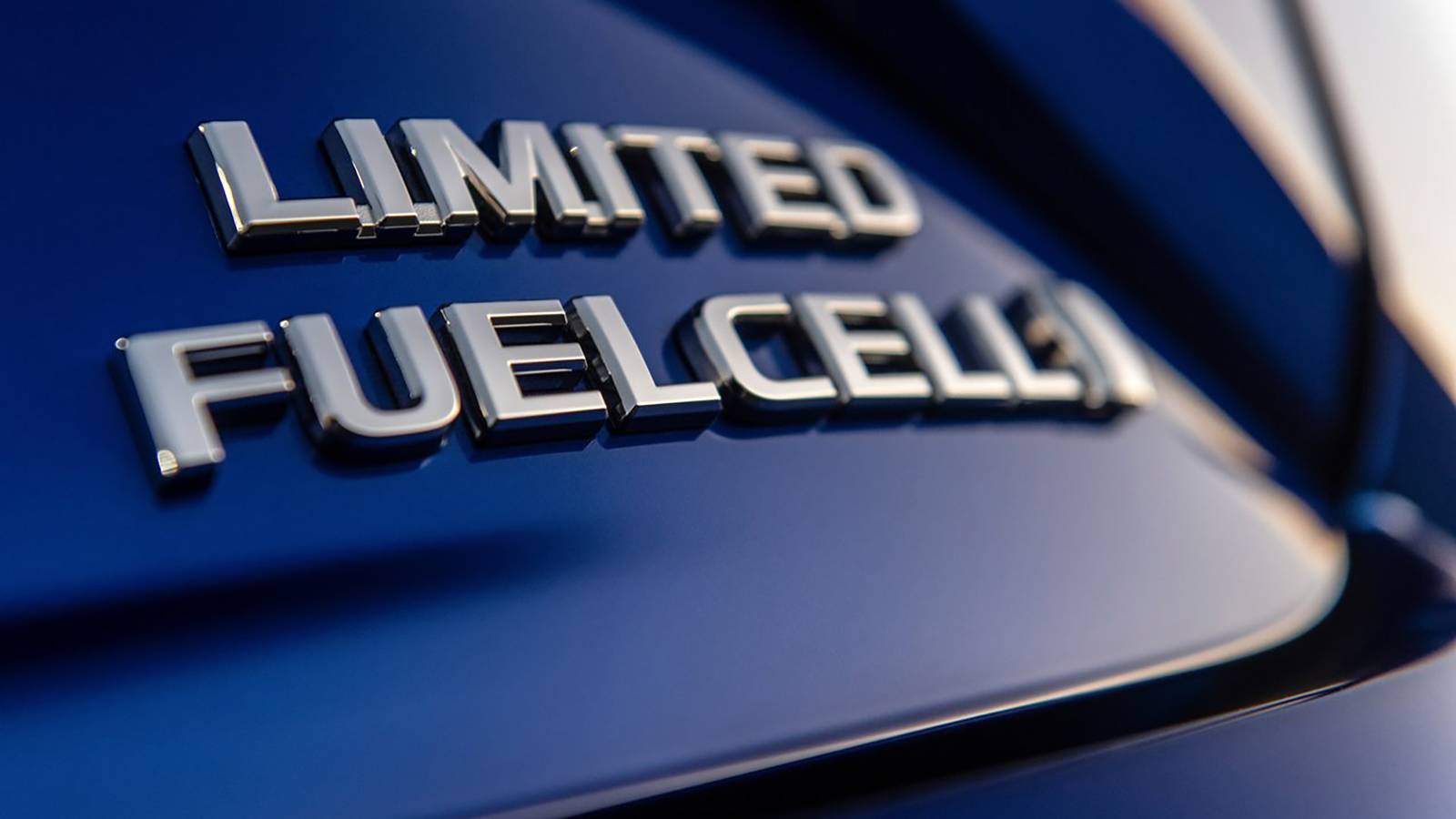
It really does feel like a Lexus on the inside, with premium materials and leathers, a curved, flowing design language and plenty of screen real-estate without eschewing all the buttons we all still want. The Mirai was only ever offered with two trim levels; the XLE featured plenty of standard equipment like heated power front seats and smartphone mirroring, while the Limited added a power sunroof and ventilation for the front seats. After MY2024, the Limited trim was dropped, leaving the XLE as the only version of the Mirai.
When Toyota’s famed hydrogen fuel-cell technology returned for the second-generation Mirai, it did so with more power than before, with a 182 horsepower electric motor, up from 152 hp before. The second-gen Mirai also saw its drive type change from front-wheel drive to rear-wheel drive, and the range was approximately 400 miles, up from around 300 before. Of course, this is more than what most electric vehicles can realistically do, and refueling takes no more than five minutes, whereas EVs can’t get from 10 to 80 percent charge in much less than 15 minutes. If only we had more hydrogen refueling infrastructure…
Second-Generation Toyota Mirai Production Years
Trim
Engine
Transmission
Drivetrain
XLE
Hydrogen Fuel Cell
Single-speed Automatic
RWD
Limited
Hydrogen Fuel Cell
Single-speed Automatic
RWD
2015–2020 Toyota Mirai 1st Generation (JPD10)
Almost no other automaker understands hydrogen fuel cell technology better and has invested as much money into it as Toyota. It is easy to understand why when you consider that hydrogen is one of the most abundant elements in the known universe, and that you can create electricity by separating the electrons from the hydrogen atoms, with the only tailpipe emissions being water. It is, of course, an awfully complex process, which explains why Toyota had to start working on the technology back in the 1990s with several test vehicles and other limited-run models created before being able to mass-produce a fuel cell vehicle.
Toyota produced two different concepts to preview the Mirai. There was first the light blue FCV-R concept shown at the 2011 Tokyo Motor Show, which, light blue and shaped like a teardrop, was meant to represent water being the only emissions from a hydrogen fuel-cell car. It was the FCV Concept of 2013, though, also unveiled at the Tokyo Motor Show, which informed the design of the Mirai the most, and the first-generation Mirai would enter production the next year for the 2015 model year.
Toyota poured all the know-how it had from years of developing fuel-cell technology and also from making hybrids like the Prius into the Mirai to make it drive and feel more like a normal car, even if it was effectively a science laboratory on wheels. As we have already mentioned, the first-generation Mirai shared a platform with the Toyota Prius, and it also had a battery used for storing electrical energy borrowed from the Camry Hybrid. Comfortable and quiet, the driving experience was overall similar to that of the Prius, and with a modest 152 hp on tap, you weren’t going to be getting anywhere too quickly. The interior also looked like a reworked version of the Prius cabin, although the fuel cell being just behind the first row of chairs did somewhat eat into rear seat passenger and cargo space. The first-gen Mirai would see few changes over the course of its life, but would ultimately see Toyota struggle to turn the Mirai from a niche alternatively fueled vehicle into the start of a new chapter in automotive history.
“Toyota has been trying to make the hydrogen fuel cell vehicle work as an alternative to EVs for more than a decade. It has tried partnerships with fuel companies, giving away $15,000 in free hydrogen, and even discounting the cars so that they’re basically free.”
– Evan Williams, Motor Journalist, CarBuzz.
First-Generation Toyota Mirai Production Years
Trim
Engine
Transmission
Drivetrain
Mirai
Hydrogen Fuel Cell
Single-speed Automatic
FWD
Sources: Toyota