
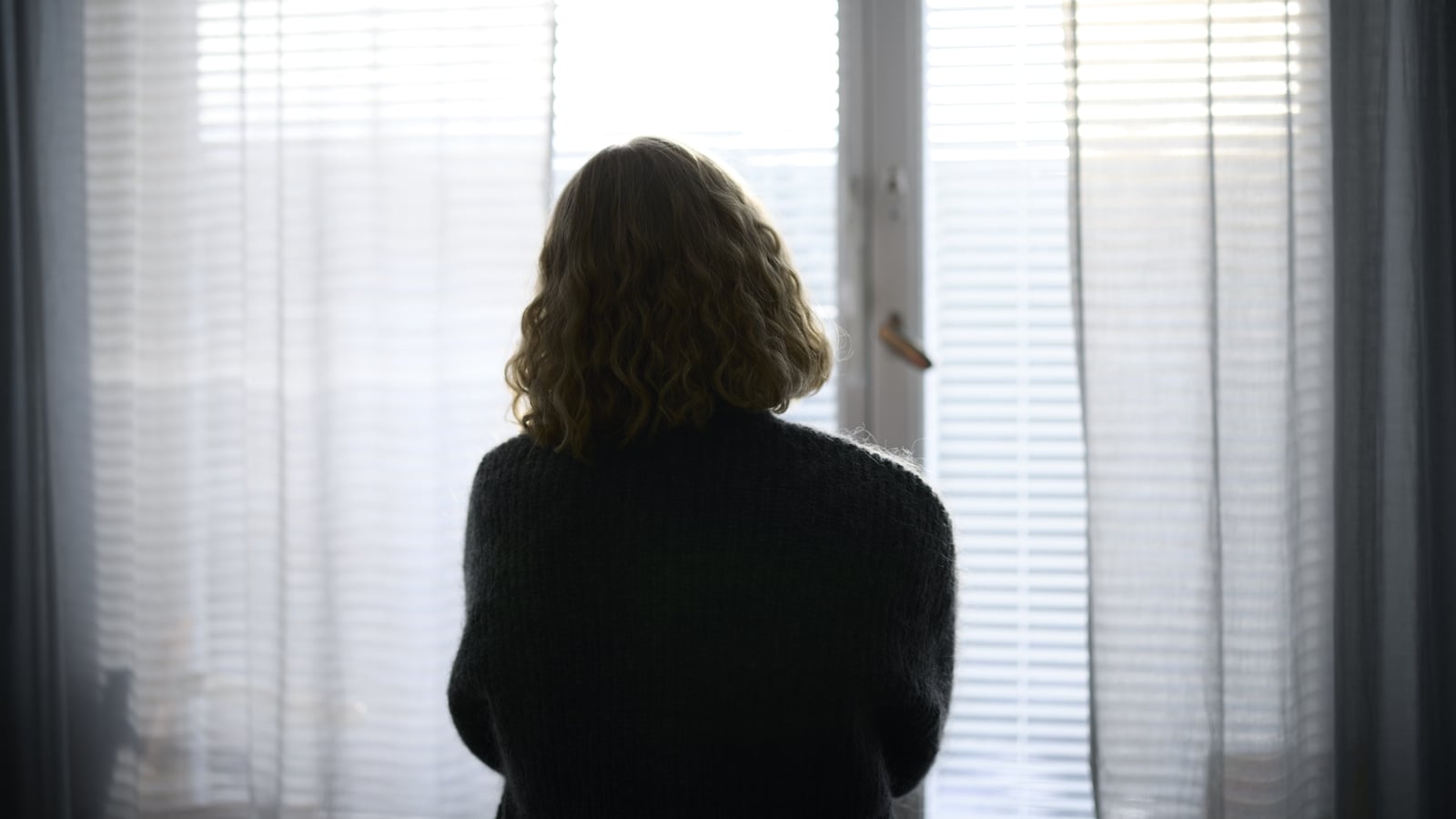
Ireland must strengthen its response to violence against women, including domestic abuse, according to the Irish Human Rights and Equality Commission (IHREC).
The commission will raise the issue in Geneva this morning as part of the UN’s periodic review process, in which Governments are assessed on how they are meeting their human rights obligations.
IHREC will tell the UN that more than one in three women have experienced domestic, sexual or gender-based violence, and garda domestic abuse callouts increased by 45% between 2020 and 2024.
Chief Commissioner Liam Herrick will call for increased funding for domestic violence services and refuges, as well as greater capacity to investigate and prosecute violence against women.
Homelessness, housing, institutional abuse, disability rights, asylum and migration, and climate and environmental justice will also be raised.
The commission will also highlight the need for a national strategy to ensure women can participate safely and inclusively in political life.
Free Legal Advice Centres (FLAC) and the Irish Council for Civil Liberties (ICCL) are also in Geneva to make a joint presentation.
They are focusing on civil legal aid, access to the courts, equality and non-discrimination, and the rights of Traveller and Roma communities.
They will tell UN member states that under-funding of the civil legal aid system means it is at “crisis-point and at risk of collapse”.
They say people can face delays of more than a year for a first appointment with a legal aid lawyer, and are calling on the State to set out a timeline for comprehensive reform.
The organisations are also warning about proposed changes to judicial review, saying they could restrict disadvantaged people’s ability to challenge decisions concerning basic public services such as housing and social security.
They are calling for proposals in the General Scheme of the Civil Law Reform Bill 2025 not to proceed in their current form and for research and consultation on their potential impact.
On equality, FLAC and ICCL say Ireland’s anti-discrimination laws remain outdated and do not adequately apply to the State and public bodies in areas including housing, healthcare, social security and education.
They say new residence conditions for access to social housing and emergency homelessness accommodation, introduced in legislation passed in July, could increase homelessness among non-Irish nationals and minority ethnic and migrant communities, including Travellers and Roma.
They point to more than 1,900 Traveller families living on unauthorised halting sites or in overcrowded or shared accommodation.
The organisations describe the failure to give Traveller or Roma groups speaking time at the Geneva pre-session as “regrettable and unprecedented”.