
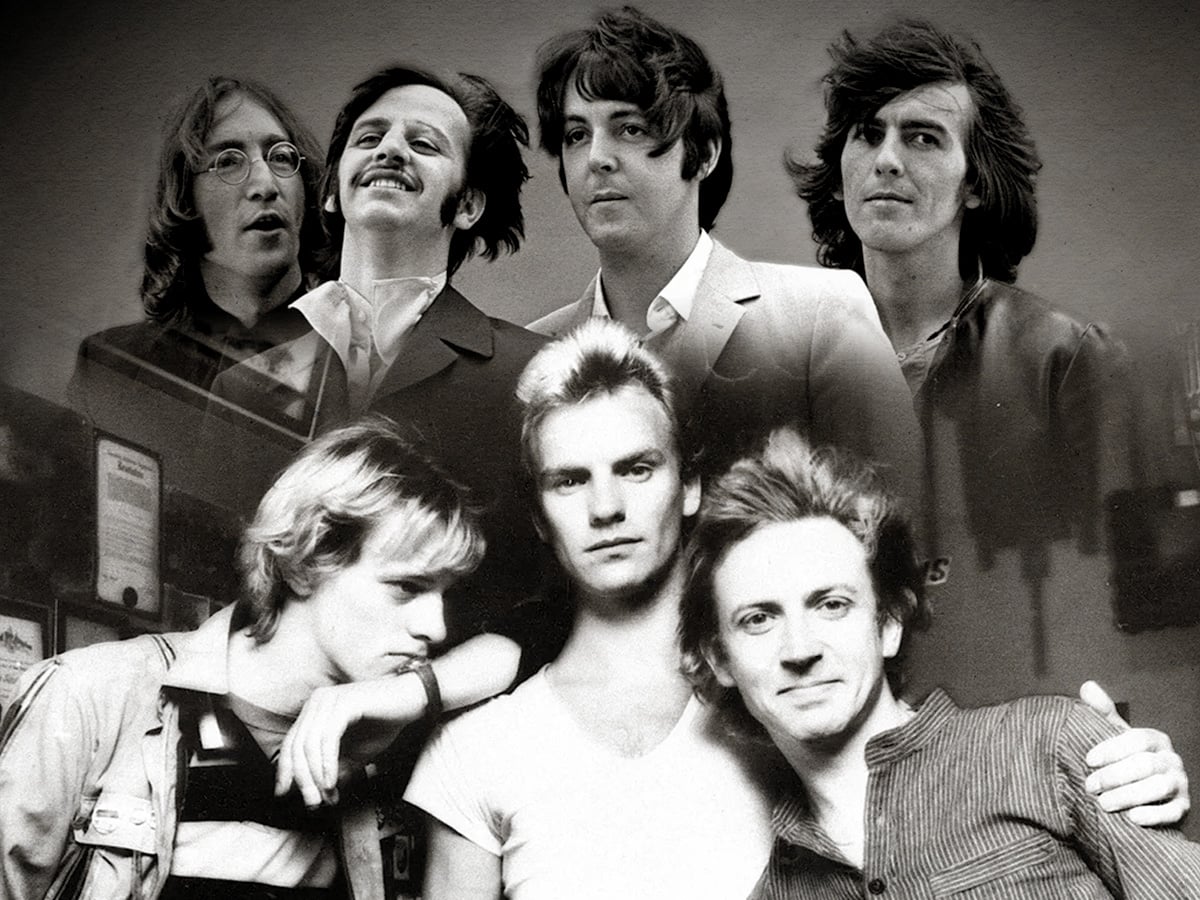
Credit: Far Out / A&M Records / Apple Corps LTD
Sun 30 August 2026 12:00, UK
By the time it came to recording Synchronicity in the early 1980s, The Police were already riding on a massive wave of success as one of the biggest rock bands in the world.
Behind closed doors, however, things were far from perfect.
Across four previous studio albums, The Police had already achieved more than most, not just with hits like ‘Roxanne’, ‘Message in a Bottle’, and ‘Every Little Thing She Does Is Magic’, but with a string of major successes in the live arena, headlining massive tours and playing iconic venues like Madison Square Garden in 1981, just a handful of years after their debut album.
The band were contracted to five albums with A&M Records, meaning that Synchronicity should have been their biggest smash yet – and it was, not just selling upwards of nine million copies in the US and topping both the US and UK charts, but also establishing the band as a major global force with absolutely no signs of slowing down.
However, tensions behind the scenes and a desire on Sting’s part to eventually break free and make a go of it as a solo artist meant that the recording process was far from the smooth-sailing momentum of excitement they all likely expected at the time. Instead of looking forward to creating more material and potentially extending their contract, they were a band on the verge of breaking up.
According to Andy Summers, it was mainly Sting who exacerbated the hostile atmosphere because he was itching to move on. “Sting was obviously feeling his oats and wanted to leave the band and go out on his own,” he told Ultimate Classic Rock. “In a sort of anal way, he was ready to finish off the contract, which was five albums.”
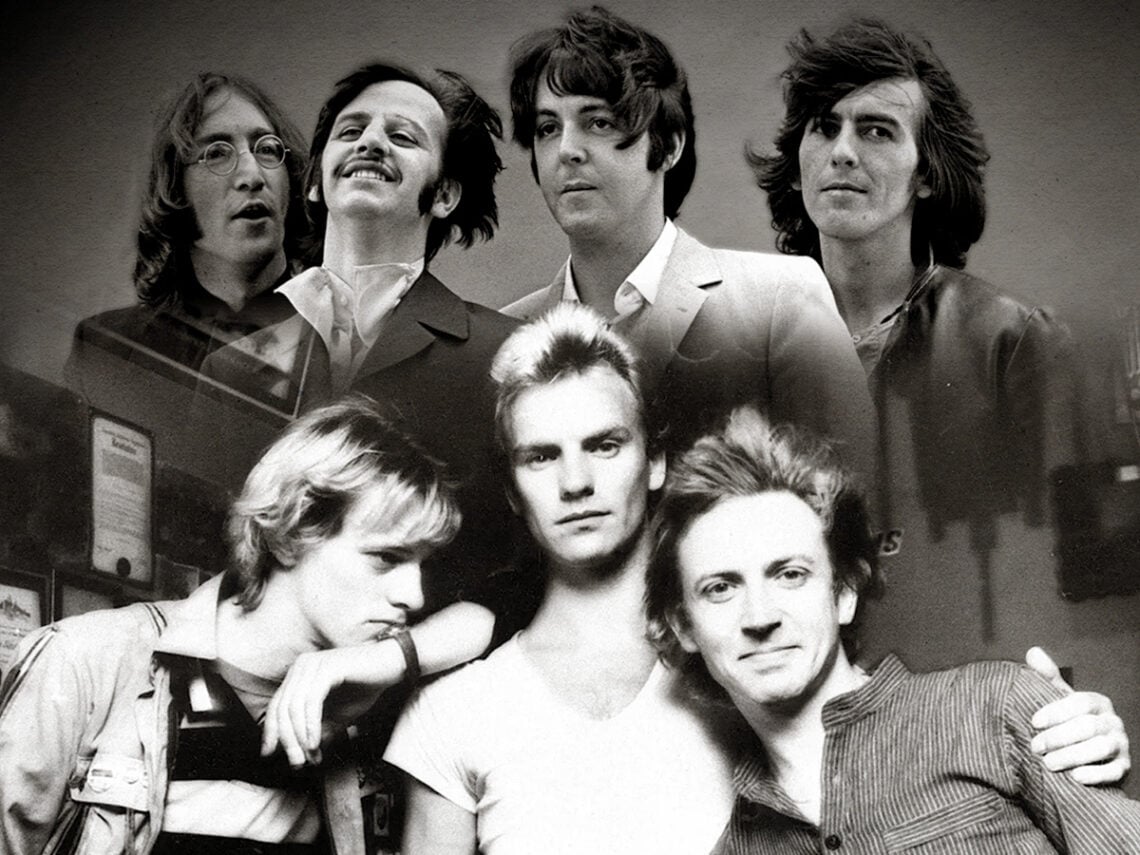
Apparently, much of this tension was directed towards Stewart Copeland as Sting vied for more creative control, making the environment so tough to work in that Summers felt like he needed to do something drastic. Such tensions weren’t exactly uncommon in the rock world – in fact, one of the band’s biggest influences, The Beatles, were also well versed in the art of friction and frustration to the point of almost calling it a day.
Sting even once admitted that The Beatles’ explosive tensions were what helped The Police rise to the top, telling author David Sheff that such issues create “important chemistry” and that one of the things that made the Fab Four excel was that “they had two songwriters of almost equal stature sparking each other off–amazing competition”.
Clearly, however, there’s an important difference between healthy friction and the type that derails the entire operation, and at this particular juncture, The Police were unfortunately experiencing the latter. Perhaps, then, that’s why Summers felt pushed to consult the one person who might know a thing or two about bringing bands back from the brink of collapse at the eleventh hour: the Liverpudlian quartet’s producer himself, Sir George Martin.
Luckily, Martin was staying nearby to where they were recording at AIR Studios in Montserrat at the time, and so in a moment of pure desperation, Summers “walked off in the blazing Montserrat heat” to knock on his door and ask for some last-minute advice. As Summers offloaded all his woes about how his musical comrades were in a constant “screaming bitch fight”, Martin simply listened before offering some of his typical pearls of wisdom.
“‘Oh yes, right. I’ve seen that before,” the producer said, before “waving his magic wand” and saying, “Now, I think you should walk back over there. I think it’s going to be all right.”
Clearly, that was enough for Summers to feel a fresh wave of enthusiasm, as he then walked back to the studios with a better, more open-minded attitude, feeling more ready and willing to face whatever it was he was about to walk into.
“We got to be very polite with each other,” said Summers, concluding, “‘Oh, would you like to do that? Oh, yes, of course. I’ll do that. Where would you like it, on the fourth fret or the fifth fret?’ How amazing. It was the Martin Magic, I’m sure.”
ADD AS A PREFERRED SOURCE ON GOOGLE  The Far Out Beatles Newsletter
All the latest stories about The Beatles from the independent voice of culture.
Straight to your inbox.