
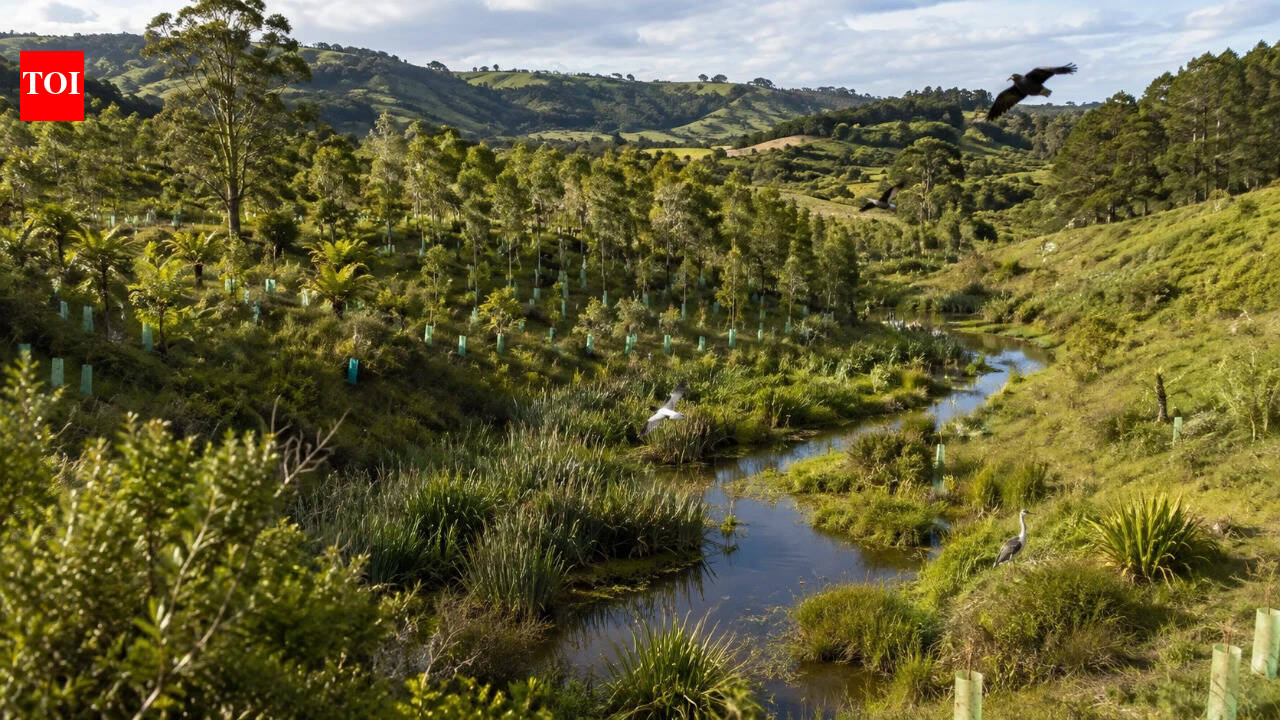
 Representative image of a restored landscape with young trees, wetlands and thriving vegetation, reflecting the transformation of degraded farmland into a diverse natural habitat. Image Credits: ChatGPT. A rundown cattle farm in New Zealand’s Northland has become a test for understanding what happens when farmland is given back to nature. When Auckland academics John Craig and Anne Stewart began restoring the property in 2004, the landscape was heavily grazed, sparsely wooded and stripped of much of its native habitat. More than two decades later, the estate has been transformed through native planting, wetland restoration and sustained pest control, with dozens of bird species returning to land that had once been heavily degraded.From cattle paddocks to a living laboratoryRNZ reported that Tahi Estate, near Pātaua North on the east coast of Northland, covers roughly 540 hectares, or 1,334 acres. Before its transformation, the property was a rundown cattle farm, but Auckland academics John Craig and Anne Stewart began restoring the land in 2004 by removing cattle and bringing native vegetation and wetlands back to the landscape. Craig, an ecologist, and Stewart, a conservation scientist, planned to take a different approach from conventional farm management. Their approach included removal of cattle, protection of waterways and progressive replantation of native species. Rather than treating conservation as a project confined to a small reserve, the pair sought to rebuild an entire functioning ecosystem.Native trees became central to that effort. More than 250,000 trees were planted during the early stages of the restoration, while later accounts put the number of native trees and plants established or regenerated at several hundred thousand. They were selected to provide food and shelter for wildlife and, eventually, to recreate the ecological relationships that had disappeared with the original vegetation. According to a study published in the New Zealand Journal of Ecology, researchers analysed bird counts from 195 locations across northern New Zealand and found that native forest bird abundance and richness were strongly influenced by the amount of remaining forest. Bird numbers declined rapidly when forest cover fell below about 5–10%, while intensive control of invasive mammals such as rats and possums also benefited some species. The findings suggest that protecting and restoring forest habitat, alongside effective pest control, can play an important role in rebuilding native bird communities in degraded lowland landscapes.Wetlands bring back the birdsSome of the most significant activities carried out at Tahi were in areas where there was no previous infrastructure. Wetlands that had been drained and altered during farming have been reclaimed or reconstructed, creating ponds, lakes, salt marshes and other wetland habitats. The changes were reflected in the birdlife over time. RNZ also reported in 2015 that Tahi had recorded 69 bird species, many of them rare or threatened, compared with fewer than 20 species when restoration began. More recent accounts report more than 70 species, including kiwi, Australasian bittern, pāteke or brown teal, grey duck, fernbirds and tūī. Many of these birds were not deliberately introduced. Pāteke, New Zealand’s rarest mainland duck, is one example. Craig had sought permission to bring the species to Tahi, but was reportedly told the process could take years. Within months, the birds arrived by themselves.This matters because the return of wildlife can reveal whether restoration is actually rebuilding ecological function rather than merely creating beautiful scenery. Research on New Zealand forests has repeatedly demonstrated the importance of controlling introduced rats, possums and mustelids, which can prey on native birds and suppress their populations. Long-term predator management has been associated with increases in several indigenous bird species. At Tahi, intensive pest control became as important as planting trees. Traps and other measures target introduced predators, giving returning birds a better chance of surviving, breeding and establishing populations.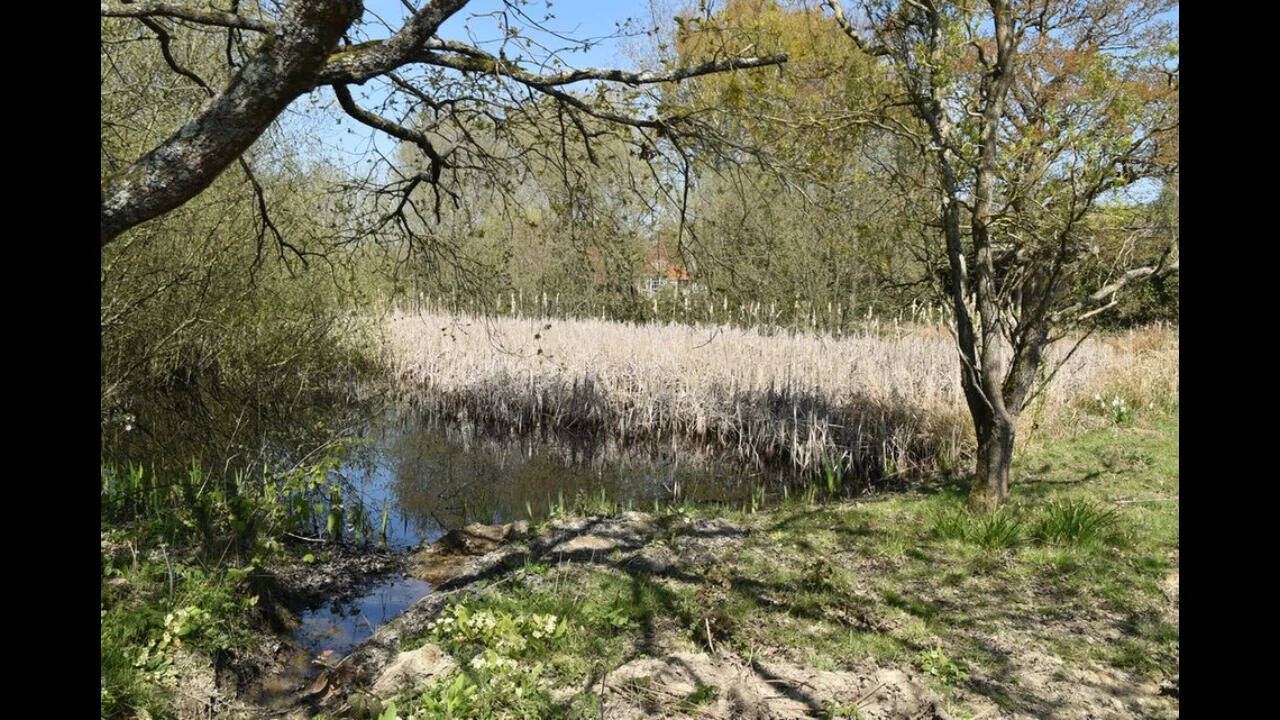
Northland Farm. Image Credits: Wikimedia Commons.
Conservation with an economic backboneThe experiment at Tahi was never intended to be purely philanthropic. Craig and Stewart wanted to demonstrate that restoring nature could also support a viable rural business. The estate developed a commercial model based on mānuka honey, beekeeping, visitor accommodation and ecotourism. Thousands of beehives now operate among the recovering vegetation, while walking tracks and accommodation bring visitors into the restored landscape. RNZ reported that the property, which once employed only one person, eventually supported more than a dozen workers.That approach has grown into a guiding philosophy: conservation, communities, culture and commerce must complement each other. Tahi has aligned itself with The Long Run, an international organisation for nature-based enterprises, and has used revenue from its commercial activities to fund efforts for biodiversity and cultural conservation. In addition, Tahi’s story shows why restoration cannot be judged simply by the number of trees planted. More importantly, the project has re-established ecosystem links: native vegetation feeds birds that spread seeds, wetlands support wildlife and waterways, and predator control helps endangered species thrive.What began in 2004 as an effort to salvage a degraded cattle farm has become a tangible example of how degraded agricultural land can regain complexity without being cut off from human activity. At Tahi, success is not measured by how much pastureland it supports, but by how much life it supports.